

Cost of Bone Cancer Treatment in Thailand
An unusual growth of cells or tissues inside the bone is called bone cancer. Those that arise in bone tissue are included and those that start somewhere else and spread till bone tissue are excluded.
Some of the common symptoms include -
- Bone Pain
- Swelling
- Tenderness of the affected area
- Fatigue
The treatment part of bone cancer includes surgical removal and radiation therapy. Some non-cancerous bony lesions need no treatment or intervention at all.
In case of a small lesion on the bone surface, tissue scrapping is done to remove the cancerous growth, and no harm to the bone is done.
Other medical procedures involved are bone grafting, arthrodesis, wide local excision, and limb-sparing surgical resection for the minimal invasion of the healthy tissue.
Our Services for Bone Cancer Treatment in Thailand
Transparent, professional support—without the hassles.
Book Doctor Appointment
Choose a specialist and schedule a convenient consultation.
Video or In-person Consultation
Consult remotely or meet your doctor directly at the hospital.
Compare Cost Estimates
Review transparent estimates from suitable hospitals.
Hospitalisation Support
Get coordinated assistance throughout your hospital stay.
 WhatsApp Us
Top Doctors in Thailand
Recommended Doctors for Bone Cancer Treatment


Dr. Harit Suwanrusme
Consultant
Medical OncologistBumrungrad International Hospital, Bangkok

Dr. Pongsiri Piakong
Consultant
Arthroscopy and Sports MedicineSaint Louis Hospital, Bangkok


Asst. Prof. Dr. Ekaphop Sirachainan
Professor
Medical OncologistPhyathai 2 Hospital, Bangkok










Top Hospitals in Thailand
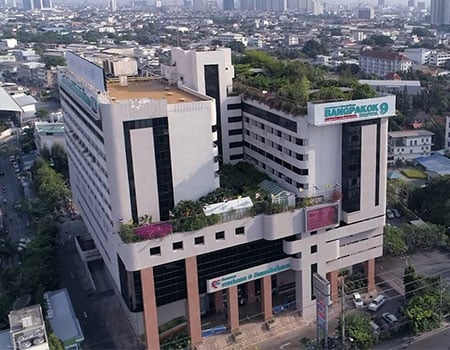
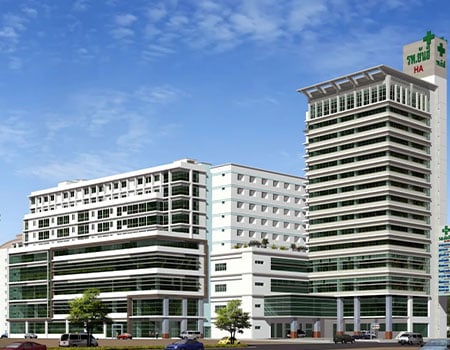
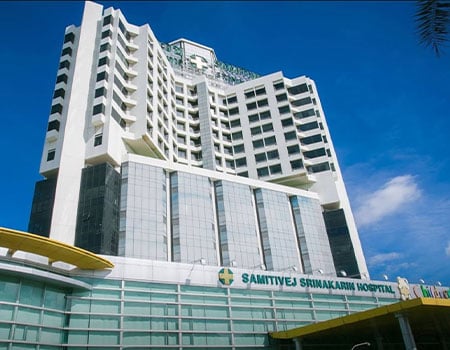
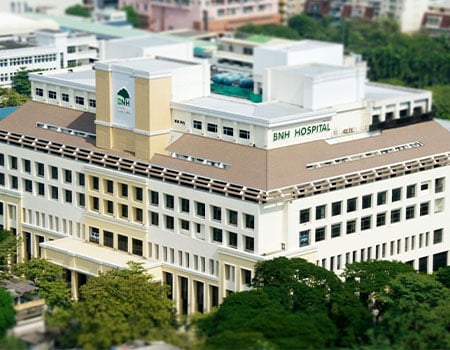
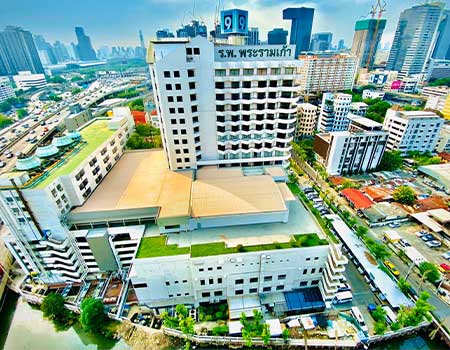
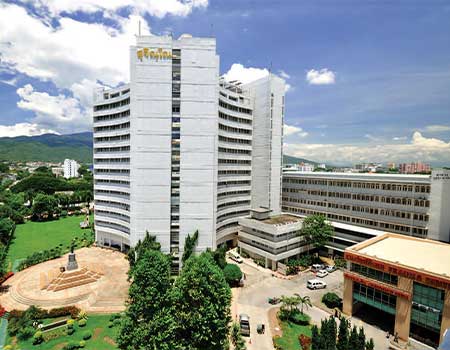
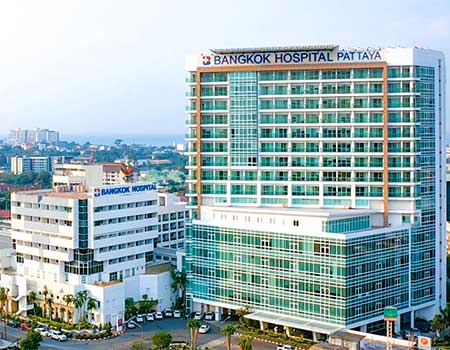
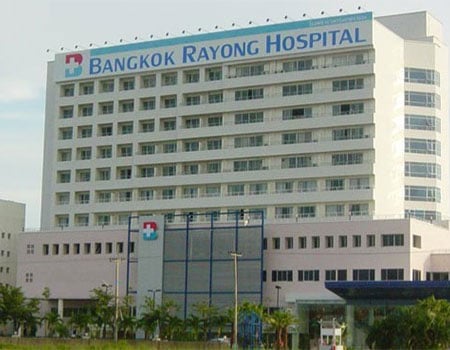
Recommended Hospitals for Bone Cancer Treatment
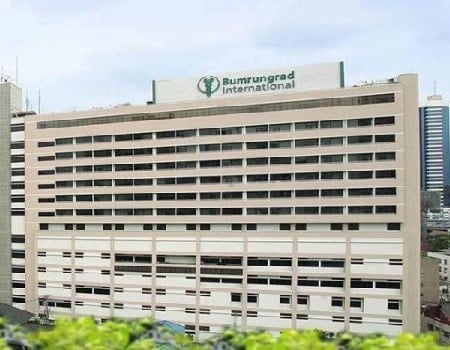
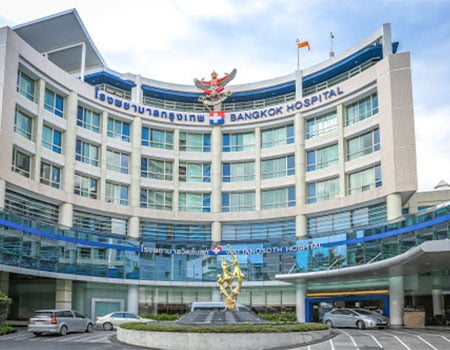
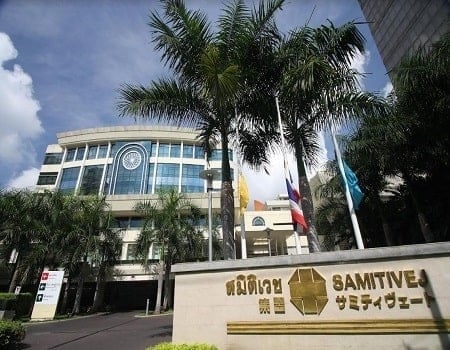



Inclusions in the package
The cost of Bone Cancer includes:
-
Preoperative diagnostic tests cost may include [Biopsy, X-ray, etc.]
-
Surgery cost (Depends upon the type and size of the tumour and the extent to which the tumour has spread)
-
Post-Operative cost (there might be a need for chemotherapy or Radiotherapy before or post-surgery)
-
Medicines
-
Patient's hospital stay
Factors affecting cost of Bone Cancer Treatment
The overall cost of the procedure also varies based on the patient's condition and preferences. Some of these factors are:
-
Type of hospital and room opted (General, Twin sharing, or single room)
-
The stage and type of cancer
-
Patients may require repeated investigation through PET CT and related tests Post-surgery / Chemotherapy / Radiation Therapy
-
Any additional tests may be required to know the status of the disease during the course of treatment
-
An extended stay at the Hospital
-
Cost of Accommodation during follow-ups, in case the patient is not a local resident [may take longer duration in case of chemotherapy or radiotherapy sessions]
Success Rate
In terms of a five-year survival rate, the cases of early detection at the localized stage have a survival rate of 82%, while those who are spreading and local lymph nodes are involved too has a survival rate of 67%.
Frequently Asked Questions Related to Bone Cancer Treatment Cost
To diagnose bone cancer, your doctor will do X-rays to view images of your bones, CT scan, and MRI. These tests are covered in the package.
The pharmacy and medicine costs are included in the package when the patient is hospitalized. If the patient buys medicines from outside the hospital, they have to pay money for them separately.
The usual stay is around 3-10 days after the surgery, but it also depends on the operation and how long you take to recover. Your physiotherapist will visit you every day after the operation and help you with your breathing and exercises. Regular follow-ups for months and years are necessary to check for a recurrence. For the first couple of years, you will likely have checkups every 3 months.
It takes around 1 year to recover completely after bone cancer surgery. During this time, physical therapy and rehabilitation are necessary. If you have limb-sparing surgery, you need further operations in the future. If you are young and had not finished growing when you had your surgery, you need to have the prosthesis replaced as you get older. This will cost additional charges.
Most insurance policies cover cancer treatment, but they generally pay only for inpatient hospitalization. They do not cover the entire cost of treatment.
You can go for chemotherapy and radiation therapy if you don't need surgery. These methods might help relieve symptoms but be sure to talk to your healthcare specialist first.
 Chat
Chat