

Cost of Lateral Tarsoraphy Local Single Eye in Thailand
Our Services for Lateral Tarsoraphy Local Single Eye in Thailand
Transparent, professional support—without the hassles.
Book Doctor Appointment
Choose a specialist and schedule a convenient consultation.
Video or In-person Consultation
Consult remotely or meet your doctor directly at the hospital.
Compare Cost Estimates
Review transparent estimates from suitable hospitals.
Hospitalisation Support
Get coordinated assistance throughout your hospital stay.
 WhatsApp Us
Top Doctors in Thailand
Recommended Doctors for Lateral Tarsoraphy Local Single Eye



Top Hospitals in Thailand
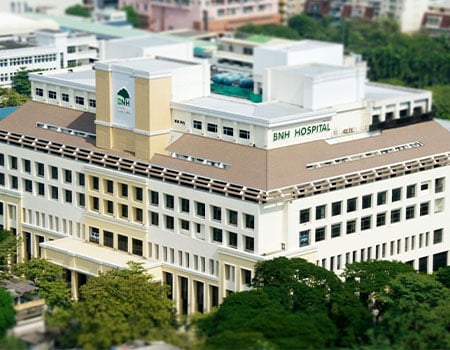
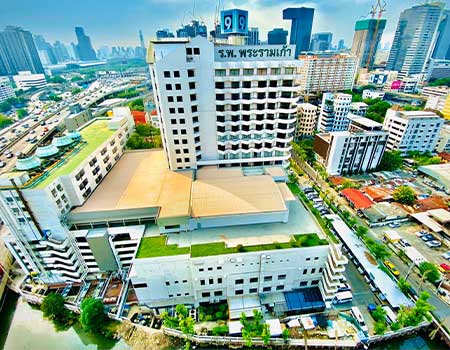
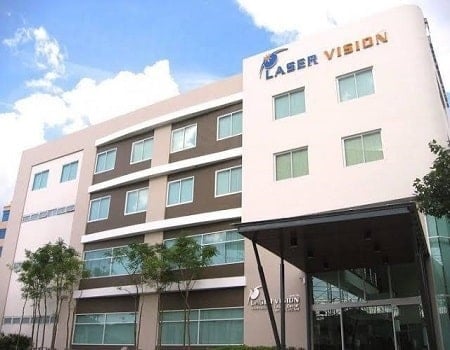
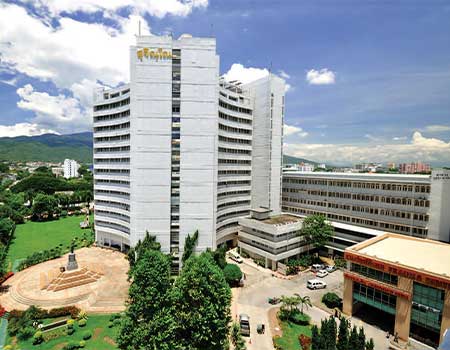
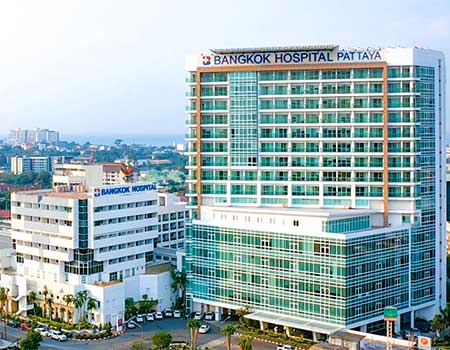
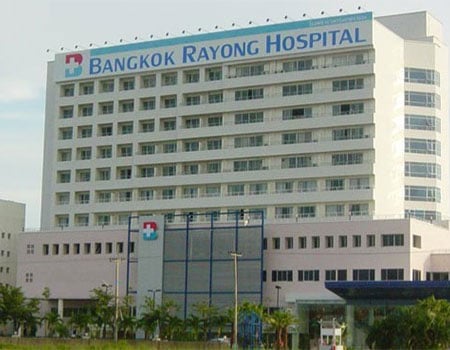
Recommended Hospitals for Lateral Tarsoraphy Local Single Eye

Success Rate
Everything You Need to Know About Lateral Tarsoraphy Local Single Eye: Q&A
Before the Procedure · 3 Questions
Lateral tarsorrhaphy is the surgery which is used compensating the upper lid retraction with lower lid laxity, this surgery involves suturing the free outer edge of the upper and lower eyelids together, once the eyelid are being divided the mucocutaneous border of the lid margins are being removed.
Lateral tarsorrhaphy is being done to protect the cornea in the case of: inadequate eyelid closure, for example due to facial nerve palsy or cicatricial (scarring) damage to the eyelids caused by a chemical or burns injury.
The aim of lateral tarsorrhaphy is to protect the cornea and reduce symptoms of exposure, such as excessive tearing and pain.
During the Procedure · 3 Questions
The procedure usually takes about 30 minutes to complete.
Lateral tarsorrhaphy is being done by an opthalomlogist.
The procedure involves attaching the lateral portion of the lower and upper lids together to partially close the eye. It can be a temporary solution or a more definitive one. In this procedure an incision is being made in the lateral 1/4th and 1/3rd of the upper and lower eyelid stopping short of the lateral limbus of iris. After that the anterior and posterior lamella is spilt along the grey line to a depth of 3-5 mm. A thin portion of epithelium of lid margin can be removed in this stage to reduce the risk of dehiscence. The posterior lamella, followed by the anterior lamella, of the upper and lower eyelids is sutured together.
Post the Procedure · 3 Questions
Lubrication consists of natural tear substitutes during the day and ointment based lubricants during sleep, often together with taping the eyelid closed.
Tarsorrhapy sutures are being removed in 10 to 12 days, tarsorrhapy is left in place till the eyelids heal or neurologic functions are returned. When the tarsorrhapy are no longer needed the adhered areas of the eyelid margins are carefully incised.
Usually 2 weeks of healing are needed for tarsorrhaphy if adequate healing has not done and if patient need long term treatment then a permanent tarsorrhaphy can be done which can be opened at later date.
 Chat
Chat