

What is the Cost of Lung Cancer Treatment in Thailand?
As of 2022, lung cancer has become the most common cancer worldwide, with around 2.5 million new cases. Given the rising incidence, many patients are seeking affordable and advanced treatment options abroad.
Thailand has established itself as a leading destination for lung cancer treatment, offering cutting-edge healthcare facilities, skilled professionals, and reasonable pricing.
Lung cancer treatment costs in Thailand vary significantly, typically ranging from $10,000 to $16,000, depending on several factors. These factors include the type and stage of cancer, the chosen treatment approach, and the hospital selected. This price usually encompasses surgeon fees, anaesthesia, operating theatre charges, medical consumables, and a hospital stay.
What is Lung Cancer?
Lung cancer, also known as lung carcinoma, occurs when cells in the lung grow uncontrollably and form tumours. If not treated, these cancerous cells can spread (metastasise) to nearby lymph nodes or distant organs like the brain, liver, and bones.
There are two main types of lung cancer:
Small Cell Lung Cancer (SCLC): This is a more aggressive and less common form of lung cancer, typically caused by smoking. It tends to grow and spread more quickly, making early detection and treatment critical.
Non-Small Cell Lung Cancer (NSCLC): This is the most common type, accounting for approximately 85% of lung cancer cases. It includes subtypes such as adenocarcinoma, squamous cell carcinoma, and large cell carcinoma. The treatment plan for NSCLC varies depending on the subtype and stage of the disease.
The distinction between SCLC and NSCLC is important because the two types respond differently to treatment. Understanding the specific type of lung cancer helps doctors tailor a personalised treatment approach that will be most effective for the patient.
Our Services for Lung Cancer Treatment in Thailand
Transparent, professional support—without the hassles.
Book Doctor Appointment
Choose a specialist and schedule a convenient consultation.
Video or In-person Consultation
Consult remotely or meet your doctor directly at the hospital.
Compare Cost Estimates
Review transparent estimates from suitable hospitals.
Hospitalisation Support
Get coordinated assistance throughout your hospital stay.
 WhatsApp Us
What Are the Types of Lung Cancer Treatment in Thailand?
Lung cancer treatment in Thailand is known for being highly specialised and patient-centred. The treatment options are designed to meet the unique needs of each individual based on factors such as the type of lung cancer, its stage, the patient’s overall health, and the cancer's genetic profile. Thai hospitals provide a variety of advanced treatment modalities, each designed to maximise effectiveness while minimising side effects.
Some common treatment approaches include:
1. Surgery
Surgery is often recommended for early-stage lung cancer to remove the tumour and surrounding lung tissue. Depending on the cancer’s spread, different surgical techniques may be employed:
Lobectomy: The removal of one of the lung’s lobes
Pneumonectomy: The removal of the entire lung
Segmentectomy: The removal of a smaller section of the lung
Significant advancements in minimally invasive surgical techniques, such as video-assisted thoracoscopic surgery (VATS) and robotic-assisted surgery, have resulted in quicker recovery times and fewer complications.
2. Radiation Therapy
Radiation therapy employs high-energy beams to kill cancer cells. It can be used at various stages of lung cancer:
Before surgery: To shrink the tumour and make it easier to remove
After surgery: To eliminate any remaining cancer cells and reduce the risk of recurrence
As a primary treatment: Especially for advanced lung cancer cases where surgery is not an option
Advanced radiation techniques such as intensity-modulated radiation therapy (IMRT) and stereotactic body radiation therapy (SBRT) provide highly targeted treatment, minimising damage to surrounding healthy tissues.
3. Chemotherapy
Chemotherapy is a systemic treatment that uses drugs to kill rapidly dividing cancer cells throughout the body. It is particularly effective for lung cancer that has spread (metastasised) to other parts of the body. Chemotherapy is usually administered in cycles, with several weeks of treatment followed by a rest period.
4. Targeted Therapy
Targeted therapy focuses on specific genetic mutations that drive the growth of cancer cells. It is often used for patients with advanced or recurrent lung cancer and is considered more precise than chemotherapy, with fewer side effects.
5. Immunotherapy
Immunotherapy boosts the body’s immune system to help it recognise and destroy cancer cells more effectively. One common form involves immune checkpoint inhibitors, which block proteins that cancer cells use to evade the immune system. Immunotherapy has shown significant success in improving survival rates for patients with advanced lung cancer.
6. Combination Therapy
In many cases, a combination of treatments is necessary to achieve the best results. Combination therapy may involve surgery, radiation, chemotherapy, targeted therapy, and immunotherapy. By using multiple approaches, doctors can improve the chances of a successful outcome while minimising treatment side effects.
What Are the Factors Affecting the Cost of Lung Cancer Treatment in Thailand?
The cost of lung cancer treatment in Thailand is influenced by a variety of factors, including:
Type of Treatment Approach
Lung cancer treatment costs in Thailand vary according to the surgical approach and treatment. The best lung cancer doctors in Thailand determine the kind of treatment approach to use depending on the stage and type of lung cancer diagnosed in the patient.
Type of Treatment | Cost in USD |
|---|---|
Surgery | $11178 - $15451 |
Chemotherapy (One cycle) | $2705 - $6539 |
Radiation Therapy | $5302 - $12504 |
Targeted Therapy | $3064 - $8562 |
Immunotherapy | $7708 - $11414 |
Hospital’s reputation and Surgeon’s expertise
The cost of lung cancer treatment in Thailand varies depending on whether the hospital provides comprehensive care. Also, lung cancer surgeons with more experience and serving at hospitals recognised with international accreditations may charge more, impacting the average cost of lung cancer treatment in Thailand.
Note: Patients should verify the costs associated with lung cancer in Thailand before their treatment. It allows patients to make informed decisions and avoid unexpected financial stress during their treatment journey.
What Are the Costs of Lung Cancer Treatment in Thailand Vs. Other Countries?
Below is a comparison of lung cancer costs in Thailand with those in other countries:
Country | Cost in USD |
|---|---|
Thailand | $13,000 |
India | $10,500 |
Turkey | $10,000 |
While the price of lung cancer treatment in India and Turkey is lower, Thailand offers more comprehensive medical tourism packages, often including accommodation, airport transfers, and even vacation deals alongside your medical care.
What Are the Pre and Post-Treatment Costs for Lung Cancer in Thailand?
Apart from the main treatment costs, patients should consider additional expenses related to pre-and post-treatment care:
Pre-Surgical Expenses: Diagnostic tests such as X-rays, CT scans, PET-CT, biopsies, and pulmonary function tests typically cost between $500 and $700.
Post-Surgical Expenses: Follow-up consultations and additional diagnostic tests cost between $300 and $500.
These additional costs ensure that the treatment plan is tailored to the patient’s specific needs and that recovery is closely monitored.
What is Involved in Post-Lung Cancer Treatment Recovery?
Recovering from lung cancer treatment necessitates a comprehensive, integrated approach. Hospitals in Thailand provide extensive post-treatment support to help patients regain their health and return to their normal lives.
Here’s what should be followed for post-treatment care:
Regular Oncologist Visits: Schedule consistent check-ups with your oncologist to monitor recovery, detect any recurrence, and manage side effects effectively.
Proper Nutrition: To support healing, focus on a balanced diet filled with fruits, vegetables, and lean proteins. Staying hydrated is also vital.
Adequate Rest: Prioritise restful sleep to allow your body to recover fully and regain strength after treatment.
Gentle Exercise: Incorporate gentle activities, like walking or yoga, to improve lung function, boost energy levels, and enhance overall well-being as you recover.
Top Doctors in Thailand
Recommended Doctors for Lung Cancer Treatment











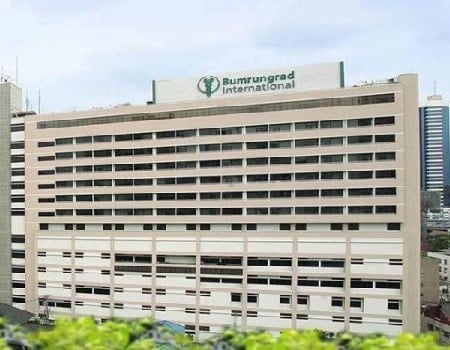
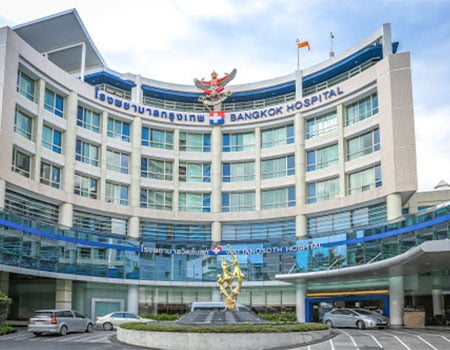
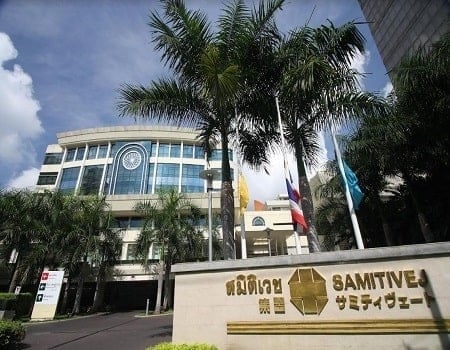
Top Hospitals in Thailand
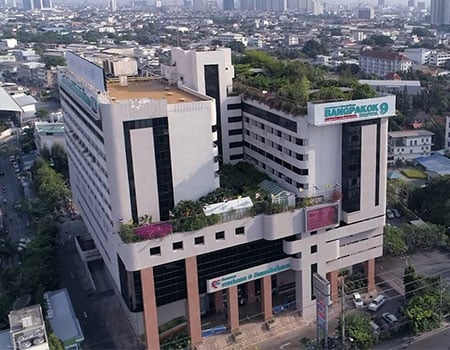
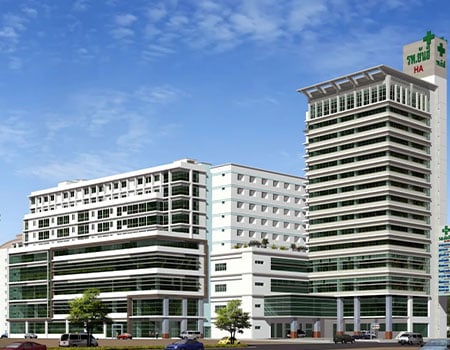
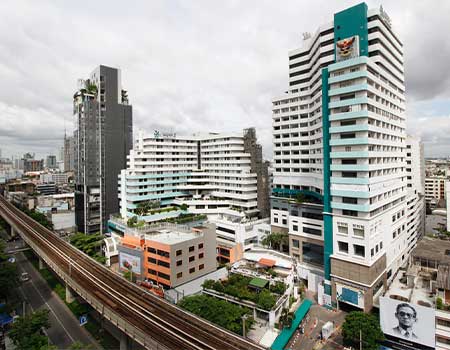
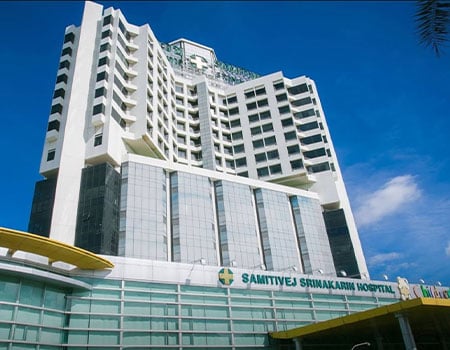
Recommended Hospitals for Lung Cancer Treatment
Frequently Asked Questions Related to Lung Cancer Treatment Cost
To start with the process, a chest x-ray is the first test that will be done to check any abnormal areas in the lungs. After that, A CT scan is done to reveal any small lesions in lungs that may not have been detected on an X-ray. Generally, a sputum cytology is also done if you are producing sputum due to cough to check the presence of lung cancer cells. The package typically doesn’t include the cost of these tests.
The chemotherapy drugs taken post liver transplant are not a part of the package and cost extra. The most common ones include bevacizumab in combination with chemotherapy and atezolizumab, which is an immunotherapy drug. In the case of targeted therapy and immunotherapy related medicines, the are not a part of the package.
You need to take the medicines prescribed by your doctor in case you experience pain. The medicines are not covered in the package. You may also be at a higher risk for getting another lung cancer or any other types of cancer. To avoid this, it is recommended to go for post-treatment management to check an early detection of any recurrences that might be cured at an early stage, this is also not a part of the procedure cost.
For lung cancer if the patient is treated surgically, the hospital stay is usually 20 to 75 days depending on the case, which is covered in the package. Since the patient will be at risk of getting infections for a few weeks after the treatment, it is best to stay at a medically induced location, which the patient has to incur on their own.
Though most health insurance plans available cover lung cancer, some insurances generally pay only for inpatient hospitalization and treatment at hospitals. They do not cover the entire cost of treatment. Please check with your provider before selecting a treatment plan.
Procedure like radiation therapy, chemotherapy, Stereotactic body radiotherapy, Targeted drug therapy, Immunotherapy, etc., are slightly cheaper than getting surgery. However, it is best to consult your doctor to get the best treatment plan.
 Chat
Chat