

Cost of NeuroRehabilitation in Oman
The cost of Neurological Rehabilitation includes:
- Procedure cost
- Number of follow-up sessions
- Cost of medication, if required
- Patient's hospital stay
During neuro rehab, patients are aided in regaining their ability to function and become independent while improving their physical, emotional, and social lives.
Neuro rehab programs may include:
- Help with daily activities of eating, dressing, bathing, basic housekeeping, etc.
- Help with speech therapy
- Management of stress, anxiety, and depression
- Bladder and bowel retraining
- Activities to improve movement, muscle control, walking, and balance
- Social and behavioral skills retraining
- Nutritional counseling
- Involvement in community support groups
- Exercise to improve cognitive impairments, such as problems with concentration, attention, memory, and poor judgment
- Education and counseling
- Safety and independence measures and home care needs
- Pain management
- Stress management and emotional support
- Nutritional counseling
- Vocational counseling
Our Services for NeuroRehabilitation in Oman
Transparent, professional support—without the hassles.
Book Doctor Appointment
Choose a specialist and schedule a convenient consultation.
Video or In-person Consultation
Consult remotely or meet your doctor directly at the hospital.
Compare Cost Estimates
Review transparent estimates from suitable hospitals.
Hospitalisation Support
Get coordinated assistance throughout your hospital stay.
 WhatsApp Us
Top Hospitals in Oman
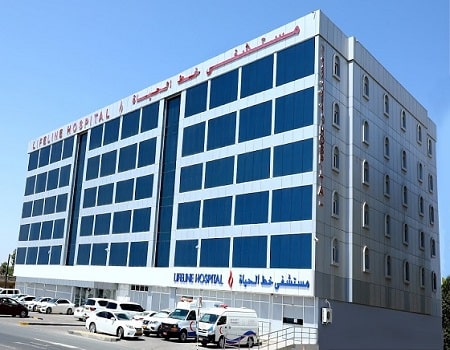
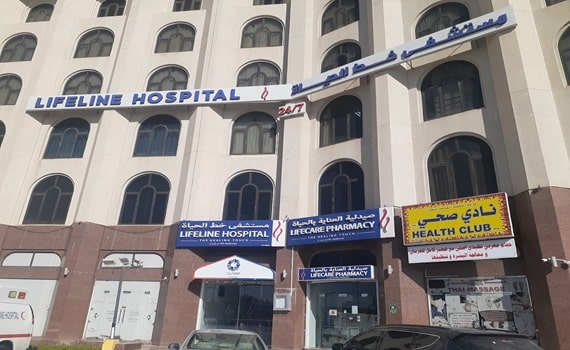
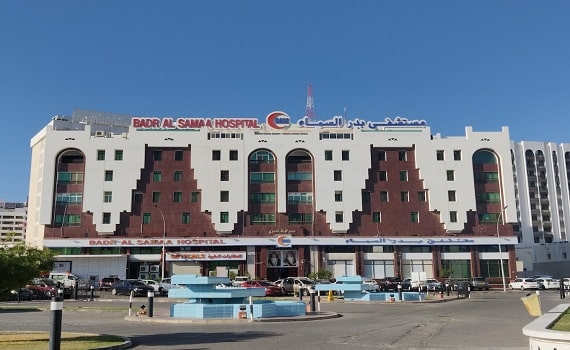
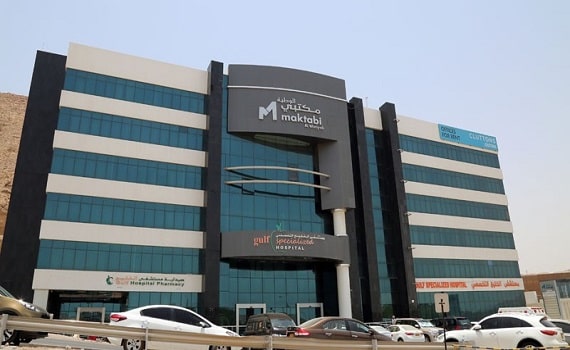
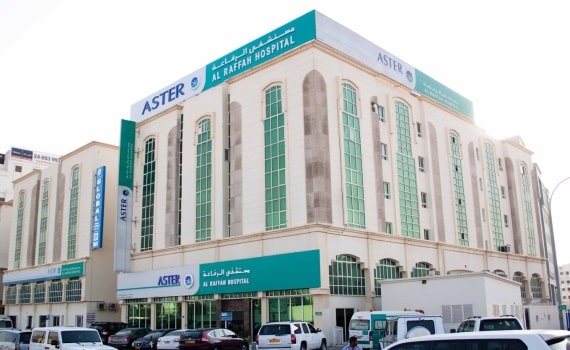
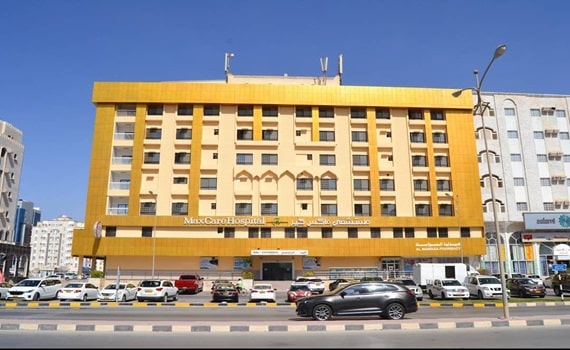
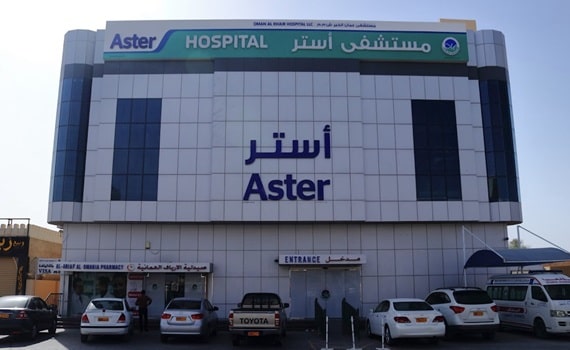
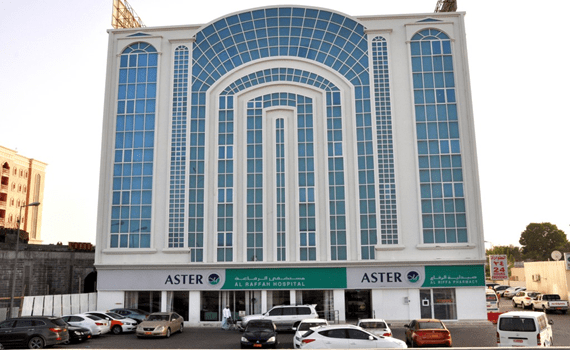
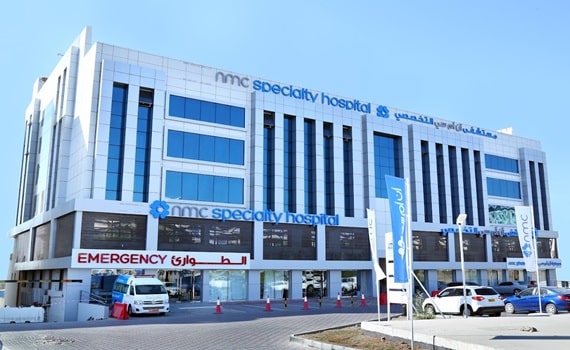
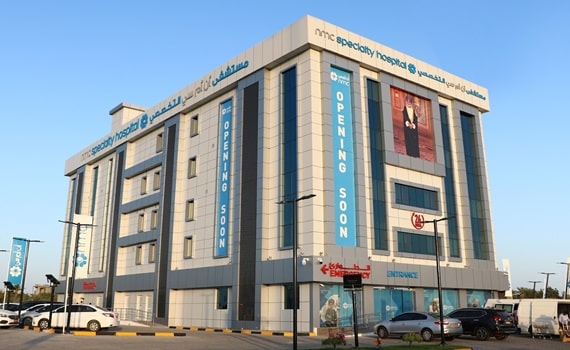
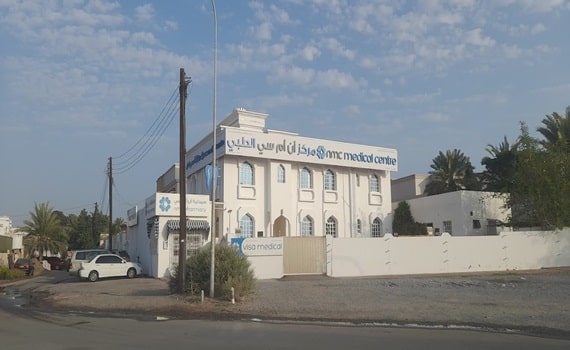
Recommended Hospitals for NeuroRehabilitation

Factors affecting cost of NeuroRehabilitation
The overall cost of the procedure also varies based on the patient's condition and preferences. Some of these factors are:
- Type of hospital and room opted (General, Twin sharing, or single room)
- The severity of the injury
- An extended stay at the hospital
- Cost of Accommodation during follow-ups, in case the patient is not a local resident
Success Rate
A success rate of 86.9% has been reported.
Everything You Need to Know About NeuroRehabilitation: Q&A
Before the Procedure · 4 Questions
Neurological rehabilitation is a program which is being designed for those people who are having any disease or disorders of nervous system. This program is being used to improve function and to reduce the symptoms and improves the well being of the patient.
Some of the conditions which can get benefit from neurological rehabilitation are injuries, infections, degenerative disease, tumors or any disorder in circulatory system which can impair the nervous system. Some of the other conditions are structural or neuromuscular disorder such as Bell palsy, cervical spondylosis, carpal tunnel syndrome, peripheral neuropathy, muscular dystrophy and myasthenia gravis.
Neurological rehabilitation patients experience some symptoms such as muscle weakness, pain, difficulty in walking, swallowing, speaking and doing daily activities such as eating, dressing and bathing.
Neurological diseases are diagnosed by using various medical techniques such as electroencephalography (EEG), computerised tomography (CT scan or CAT scan), magnetic resonance imaging (MRI scan), electromyography (EMG), positron emission tomography (PET scan or PET imagery), and arteriogram.
Post the Procedure · 4 Questions
The goal of neurological rehabilitation programe is to help the patients in return to the highest level of function and independence possible, while improving your overall quality of life — physically, emotionally, and socially.
Neurological rehabilitation team consists of Neurologist/neurosurgeon, Orthopedist/orthopedic surgeon, Physiatrist, Internist and some other specialty of doctors such as rehabilitation specialist, dietitian, physical therapist, speech therapist and social workers.
It cannot be cured but you can get assistance in treating the symptoms and restoring the daily functioning.
In neurological rehabilitation programme patient get help with their daily activities such as eating, dressing, bathing, toileting, handwriting, cooking, and basic housekeeping. It includes:
- Activities to improve mobility (movement), muscle control, gait (walking), and balance
- Stress, anxiety, and depression management
- Bladder and bowel retraining
- Social and behavioral skills retraining
- Activities to improve cognitive impairments, such as problems with concentration, attention, memory, and poor judgment
- Exercise programs to improve movement, prevent or decrease weakness caused by lack of use.
- Nutritional counseling
- Education and counseling
- Pain management
- Stress management and emotional support
- Nutritional counseling and Vocational counseling
 Chat
Chat