

The human heart beats over 1,00,000 times a day, delivering oxygen and nutrients to every part of the body. But what happens when this rhythm goes off track? This condition is known as an arrhythmia. Affecting millions worldwide, these conditions can disrupt the normal flow of blood through your body, leading to various health complications.
According to the World Health Organization (WHO), cardiovascular diseases, including arrhythmias, are the leading cause of death globally, claiming an estimated 17.9 million lives each year. The Centers for Disease Control and Prevention (CDC) estimates that about 33.5 million people globally suffer from atrial fibrillation (AFib), the most common type of arrhythmia.
This comprehensive guide delves into how these conditions impact daily life and explores effective management strategies, including natural remedies for arrhythmias. With timely diagnosis and proper treatment, many people with arrhythmias can lead healthy and active lives.
What Are Arrhythmias?
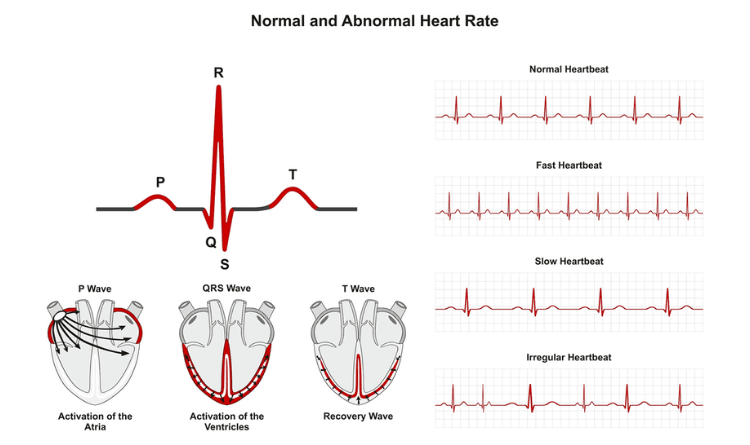
Arrhythmias are conditions in which the heart beats irregularly. The heart's electrical system controls the timing of the heartbeat, ensuring that the chambers contract and relax in the correct sequence. When this system malfunctions, it can lead to an abnormally fast heartbeat (tachycardia), a slow heartbeat (bradycardia), or an irregular heartbeat (fibrillation).
Do You Know?
- A normal heart rate for adults ranges between 60 to 100 beats per minute (BPM).
- Nearly 1 in 3 people with arrhythmia experience no symptoms, making it harder to detect and increasing the risk of sudden complications like stroke.
- Around 15% of arrhythmia cases are inherited, especially in conditions like Brugada Syndrome and Long QT Syndrome, which can cause sudden cardiac arrest.
- Long-distance runners and athletes have a 5 times higher risk of developing irregular heartbeats due to continuous heart strain.
Types of Arrhythmias
There are several types of arrhythmias, each with distinct characteristics:
- Atrial Fibrillation (AFib): The most common type of heart rhythm disorder, where the atria (upper chambers of the heart) beat rapidly and irregularly. This can cause blood clots, significantly increasing the risk of stroke and heart failure.
- Bradycardia: A condition where the heart beats slower than usual, typically below 60 beats per minute (BPM). It can result from ageing, heart disease, or damage to the heart's electrical system, leading to fatigue, dizziness, or fainting.
- Tachycardia: A condition where the heart beats faster than usual, usually over 100 BPM. While mild cases may be harmless, some forms, like ventricular tachycardia, can be life-threatening if not treated.
- Premature Heartbeats: Also known as Premature Atrial Contractions (PACs) or Premature Ventricular Contractions (PVCs), these are extra heartbeats that disrupt the normal rhythm, often felt as a fluttering or skipped heartbeat.
- Supraventricular Tachycardia (SVT): A rapid heartbeat that starts in the heart's upper chambers (atria), causing sudden episodes of racing heartbeats that can last from a few seconds to hours.
- Ventricular Fibrillation (VFib): A life-threatening arrhythmia where the ventricles (lower chambers) quiver instead of pumping blood effectively, leading to sudden cardiac arrest if not treated immediately with defibrillation.
Understanding these types of arrhythmias helps in identifying symptoms and seeking timely medical intervention.
Causes of Arrhythmias
Understanding the causes of arrhythmias is essential for effective prevention and management. Multiple factors can disrupt the heart's natural rhythm:
- Heart Conditions: Diseases like coronary artery disease, heart attacks, and cardiomyopathy can damage heart tissue.
- Electrolyte Imbalances: Low levels of potassium, sodium, calcium, or magnesium affect electrical impulses.
- High Blood Pressure: Increased strain on the heart muscles can alter its rhythm.
- Thyroid Disorders: Both hyperthyroidism and hypothyroidism can trigger irregular heartbeats.
- Excessive Caffeine, Alcohol, or Drug Use: Stimulants and recreational drugs heighten the risk of arrhythmias.
- Stress and Anxiety: Emotional stress releases hormones that may disrupt heart rhythms.
- Genetic Factors: A family history of heart rhythm disorders increases susceptibility.
- Sleep Apnea: Interrupted breathing during sleep can lead to irregular heartbeats.
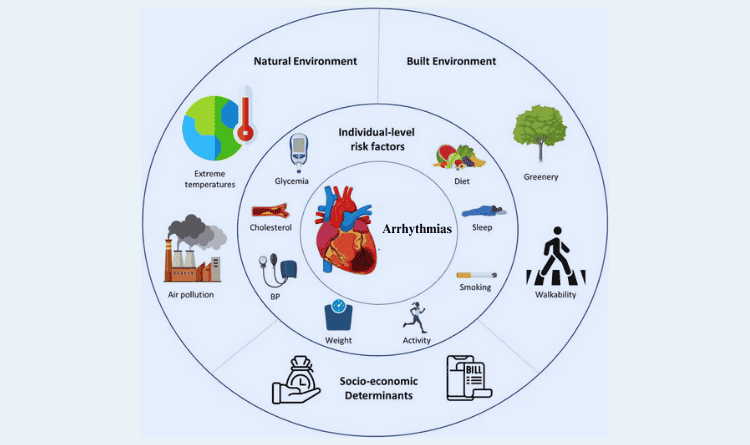
By recognising these risk factors, individuals can take proactive steps, such as lifestyle changes and regular health check-ups, to reduce the risk of developing arrhythmias and improve overall heart health.
Symptoms of Arrhythmias
The symptoms of arrhythmias can range from mild to severe, depending on the type and severity of the condition. Common signs include:
- Palpitations: A sensation of a racing or fluttering heart.
- Dizziness or lightheadedness: Caused by irregular blood flow.
- Fainting: A result of insufficient blood flow to the brain.
In more severe cases, you may experience:
- Shortness of breath: Due to the heart's inability to pump blood effectively.
- Chest pain: A possible sign of an underlying heart problem.
- Sudden fatigue: Feeling unusually tired without exertion.
If you notice irregularities in your heartbeat or experience discomfort, consult a healthcare professional for a proper diagnosis of arrhythmias.
Impact of Arrhythmias on Health
The impact of arrhythmias on health varies based on severity and type. Common health effects include:
- Stroke: Particularly in AFib, where blood clots may form and travel to the brain.
- Heart failure: The heart's inability to pump efficiently due to persistent arrhythmias.
- Sudden cardiac arrest: Especially in conditions like ventricular fibrillation.
- Fatigue and dizziness: Resulting from inefficient blood circulation.
Even less severe arrhythmias can cause significant discomfort and interfere with daily activities, such as exercise or work. Long-term management, including medications or surgical interventions, is necessary to prevent further complications and to ensure a good quality of life.
Diagnosis of Arrhythmias
The diagnosis of arrhythmias involves several methods of monitoring and assessing the heart's rhythm. A healthcare provider may start with a physical exam, asking about symptoms and medical history. The most common diagnostic tool is an electrocardiogram (ECG), which records the electrical activity of the heart and helps detect any abnormalities in rhythm.
For more detailed monitoring, doctors may recommend:
- Holter monitor: A portable device that records the heart's activity over 24 to 48 hours.
- Event monitor: Used for longer periods to capture irregular heartbeats that might not appear during a short ECG.
- Electrophysiology study (EPS): A test that maps the heart's electrical pathways to locate the source of the arrhythmia.
Blood tests may also be performed to check for electrolyte imbalances or other underlying conditions. These diagnostic tools allow healthcare providers to determine the type, severity, and cause of the arrhythmia and recommend appropriate treatments.
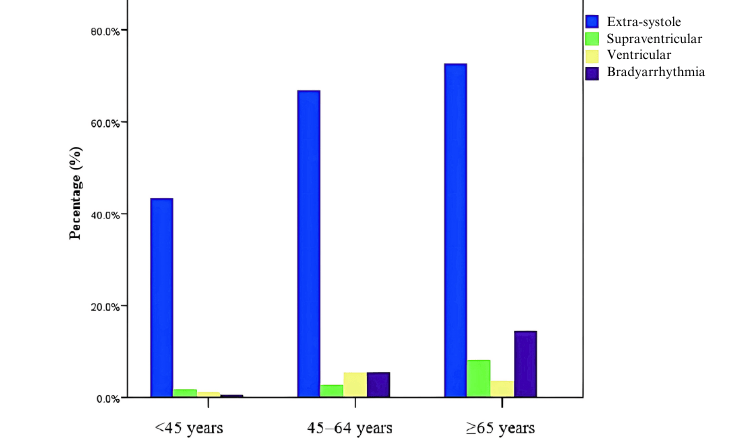
Here, the graph depicts the distribution of different types of arrhythmia across various age groups, emphasising how age influences the diagnosis of heart rhythm disorders. It highlights the prevalence of these conditions in different life stages, offering valuable insights that can guide healthcare professionals in early detection and tailored treatment strategies for arrhythmias based on age-specific patterns.
Treatment for Arrhythmias
The treatment options for arrhythmias depend on the type of arrhythmia, its severity, and any underlying health conditions. Common treatments include:
- Medications:
- Antiarrhythmic drugs: Help regulate the heart's rhythm.
- Beta-blockers: Reduce heart rate and help prevent arrhythmias.
- Blood thinners: Used to reduce the risk of clot formation in people with AFib.
- Electrical cardioversion: A procedure where electrical shocks are used to reset the heart to its normal rhythm.
- Catheter ablation: Involves threading a catheter through blood vessels to the heart, where it destroys the tissue responsible for irregular heartbeats. It is particularly effective for arrhythmias like AFib and supraventricular tachycardia (SVT).
- Pacemaker: An implanted device that sends electrical impulses to the heart to maintain a normal rhythm, used in cases of bradycardia.
- Implantable cardioverter-defibrillator (ICD): A device that monitors heart rhythms and delivers shocks when life-threatening arrhythmias are detected.
- Surgery: In extreme cases, surgery may be required to treat arrhythmias that don't respond to other treatments.
The treatment of arrhythmias has advanced significantly in recent years. With the right combination of lifestyle changes, medications, and, in some cases, procedures like catheter ablation or the implantation of a pacemaker, most patients can lead a normal life, says Dr. Ajay Kaul, Chairman, Fortis Hospital, Noida.
Preventive Measures
Taking preventive measures is crucial in reducing the risk of developing arrhythmias and maintaining a healthy heart. Important steps include:
- Exercising regularly to strengthen the heart and improve circulation.
- Following a balanced diet rich in fruits, vegetables, and whole grains to support heart health.
- Maintaining a healthy weight to minimise strain on the heart.
- Avoiding alcohol and smoking, as they are major risk factors for irregular heart rhythms.
- Managing health conditions like high blood pressure and diabetes to lower the risk of arrhythmias.
- Scheduling regular heart check-ups, especially if you have a family history of heart disease.
- Practising stress management techniques, such as yoga, meditation, and deep breathing exercises to reduce stress, which is a common arrhythmia trigger.
Adopting these healthy lifestyle habits can significantly reduce the chances of developing heart rhythm disorders and enhance one's overall well-being.
Conclusion
Arrhythmias are a significant health concern, but with proper diagnosis of arrhythmias and timely treatment, many individuals can manage the condition effectively. Whether it's through medication, lifestyle changes, or more advanced interventions like pacemakers or ablation, treatment options are available to improve quality of life. Understanding the types of arrhythmias, their causes, symptoms, and treatment options empowers individuals to take charge of their health.
If you experience symptoms of arrhythmias, consult a healthcare provider for a proper diagnosis and to explore the best treatment options. With the right care and proactive management, living with arrhythmias is possible.


 Chat
Chat