

OBESITY
It means having an abnormal or excessive body fat that can damage a person's health. The fat accumulates in the body over time ,in people who have a very high calorie intake .
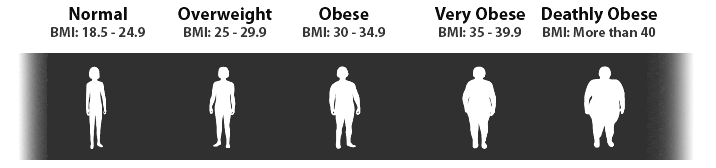
Overweight and obesity in adults is classified by the body mass index (BMI), which is a simple index of weight-for-height. It is defined as a person's weight in kilograms divided by the square of his height in meters (kg/m2).
FORM_CODE
ADULTS
For adults , obesity is defined as
-
Underweight : If BMI is less than 18.5
-
Normal : If BMI is 18.5 to <25
-
Overweight : If BMI is 25.0 to <30
-
Obese : If BMI is 30.0 or higher
CHILDREN
For children under 5 years of age
-
Overweight : is weight-for-height greater than 2 standard deviations above the growth reference median
-
Obesity: is weight-for-height greater than 3 standard deviations above the growth reference median
Children aged between 5–19 years of age
-
Overweight: is BMI-for-age greater than 1 standard deviation above the growth reference median
-
Obesity: is greater than 2 standard deviations above the growth reference median
HEALTH RISKS LINKED WITH OBESITY
Obesity means you a person's weight is approximately 20% more than the normal weight for the persons height!
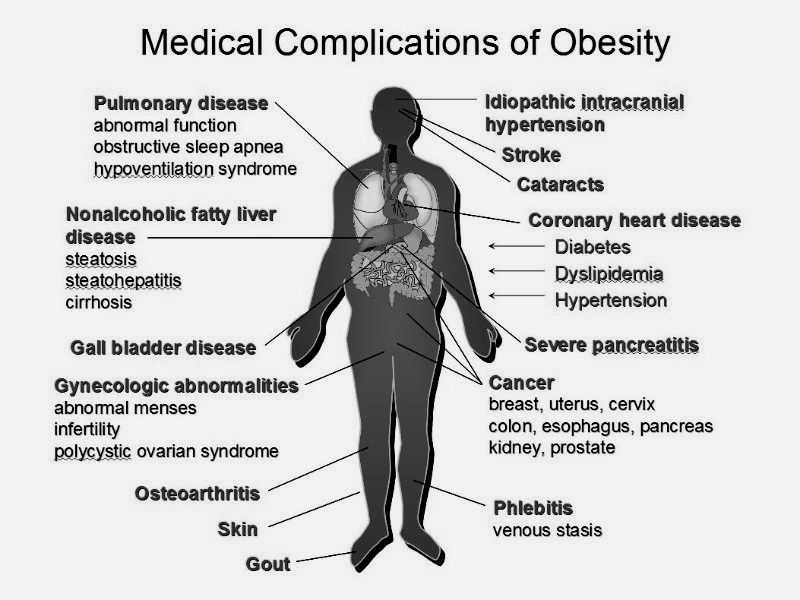
Various health issues linked with obesity are:
CAUSES OF OBESITY
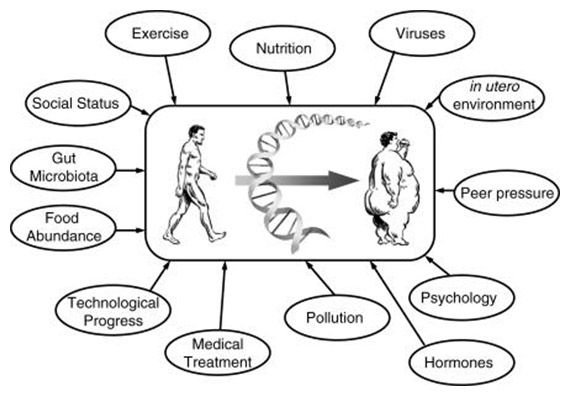
Persons body weight is determined by the balance between the calorie intake and energy expenditure.
-
If a person calorie intake is more than that what is being burned (metabolized), then the person gains weight (the body will store the excess energy as fat).
-
If a person calorie intake is less than the persons metabolizes, then he or she will lose weight.
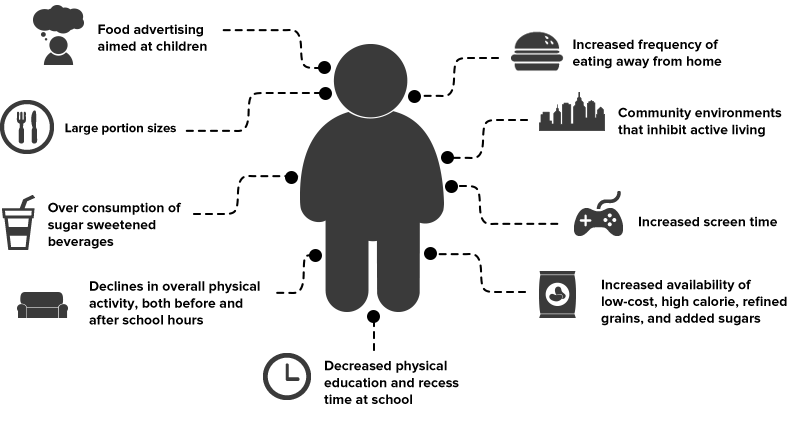
Child Obesity
TREATMENT
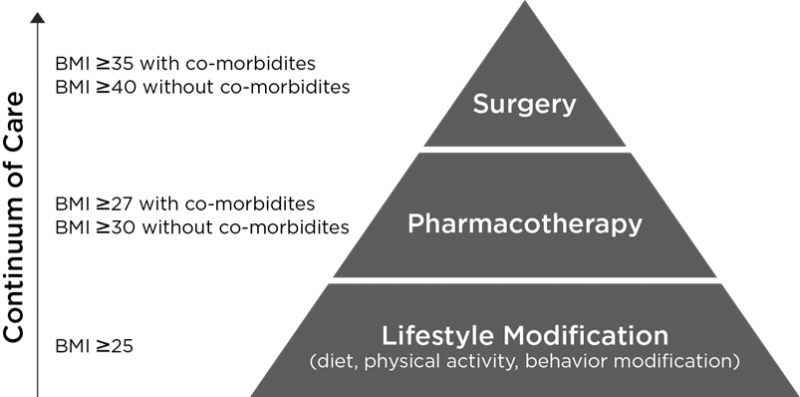
Successful weight-loss treatment of obesity can start by setting goals & following a comprehensive lifestyle management (i.e., diet, physical activity, behavior modification) .Opting for medicines and weight-loss surgery is the choice of treatment for people in whom lifestyle modifications are not successful.
PREVENTION
Eating a well-balanced diet and regular exercise can help prevent obesity and maintaining a healthy body weight.
Sixty minutes of moderate to vigorous exercise on a regular basis, without exceeding the daily recommendation of calories can manage the body weight & can prevent unhealthy weight gain !
MUST KNOW FACTS
-
Worldwide prevalence of obesity has become more than double between 1980 and 2014
-
People who have a habit of regularly eating dinner or breakfasting in restaurants, double their risk of becoming obese.
-
Good cholesterol (HDL) can turn into a bad cholesterol and solidify into fat-clogs in obese patients.
-
Lack of sleep can also cause weight gain of 2 pounds (0.9 kg) in under a week.
-
Obese drivers are 78%more likely for a car crash
-
When a person loses weight, then most of the fat is breathed out as carbon dioxide while the rest is excreted as water.


 Chat
Chat