

Cervical Cancer Treatment in India
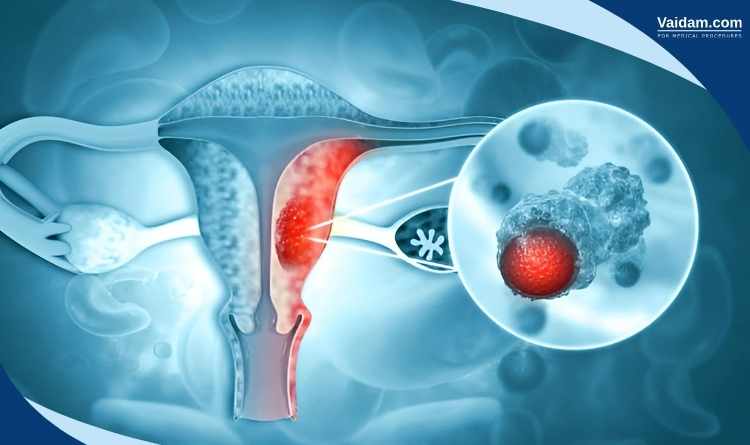
Cervical cancer is a malignant tumour of the cervix, the lowermost part of the uterus, which is connected to the vagina. It occurs when abnormal cells in the cervix grow uncontrollably, often triggered by persistent infection with high-risk types of the HPV. Cervical cancer, if not diagnosed and treated in an early stage, can spread to other body organs.
Cervical cancer is a major public health problem in India, where it is the biggest cause of cancer-related mortality amongst women. Most cases are associated with long-term infection with high-risk genotypes of human papillomavirus (HPV).
In India, low awareness, poor access to routine screening, and late-stage diagnosis are responsible for the high mortality rate. Immunisation against HPV and screening using Pap smear and visual inspection with acetic acid (VIA) are of major importance for prevention and the improvement of survival rates.
Function of the Cervix in the Female Reproductive System
- The cervix has several vital functions in the female reproductive system:
- Barrier and Passageway: It is a passageway between the uterus and the vagina by which menstrual blood can be expelled and sperm can be introduced during the process of reproduction.
- Protection: The cervix secretes mucus that changes consistency during the menstrual cycle, which both protects against infections and facilitates sperm migration during ovulation.
- Support During Pregnancy: The cervix is closed during pregnancy and serves the growing fetus. During labour, it dilates to facilitate childbirth.
Global Prevalence and Key Statistics
- Cervical cancer is a significant public health issue in low- and middle-income countries with a lack of screening and HPV vaccination.
- Incidence: The World Health Organization (WHO) estimated that cervical cancer is the fourth most common cancer among females in the world.
- New Cases: About 604,000 new cervical cancer cases were reported globally in 2020.
- Mortality: Cervical cancer caused around 342,000 deaths globally in 2020, with 90% of these occurring in resource-limited countries.
- Prevention: Widespread HPV vaccination and regular cervical screening (Pap smear and HPV tests) have significantly reduced incidence rates in developed regions.
- Efforts for eradicating cervical cancer concern vaccination, early diagnosis, and access to appropriate treatment to decrease the worldwide impact of the disease.
To effectively fight cervical cancer, it's important to vaccinate adolescent girls against HPV, continue Pap smears every 5 years for women aged 30-59 to detect early signs, and soon implement HPV DNA technology for better screening, especially for those who haven't been vaccinated.
- Dr. Vinod K. Paul, Member, NITI Aayog
Types of Cervical Cancer
Cervical cancer arises from cells in the cervix that are abnormal. There are a few varieties depending on the kind of cells involved. Understanding these types helps guide diagnosis, treatment, and prognosis.
Squamous Cell Carcinoma of the Cervix:
-
About 70-90% of cervical cancers are squamous cell carcinoma of the cervix.
-
It is derived from the thin, flat cells that coat the external surface of the cervical canal (ectocervix).
- It is frequently associated with chronic infection by high-risk HPV species.
Adenocarcinoma:
-
This variant appears in the glandular cells that constitute the inner cervix (endocervix).
-
It is less frequent in comparison to squamous cell carcinoma.
- Adenocarcinomas are often more challenging to identify since they grow more deeply in the cervix.
Adenosquamous Carcinoma:
-
The type of which not only includes squamous and glandular cell carcinoma but also includes both cell types.
-
It is generally more intense and demands intensive care.
Rare Cervical Cancers
The rare cervical cancers include:
Small Cell Carcinoma:
- An aggressive and fast-growing type.
- It generally necessitates more aggressive therapy, such as chemotherapy and radiation.
Neuroendocrine Tumors:
- These tumours originate from nerve-like cells in the cervix.
- They are uncommon and typically aggressive.
Sarcomas:
- Rare cancers arise from the cervix's connective tissues.
- These are unusual and typically require specialised treatment.
Symptoms and Causes of Cervical Cancer
Cervical cancer is known to progress silently, with minimal or no symptoms at the early stage. Identifying signals and understanding their origin can facilitate early detection and prevention.
Symptoms of Cervical Cancer
Early Signs of Cervical Cancer:
- Abnormal Vaginal Bleeding: Bleeding between periods, after intercourse, or after menopause.
- Unusual Vaginal Discharge: Watery, bloody, or foul-smelling discharge.
- Pelvic Pain: Persistent discomfort or pain during intercourse.
Advanced Cervical Cancer Symptoms:
- Swelling in the Legs: This can be the result of metastasis and the obstruction of lymphatic drainage.
- Weight Loss: Unexplained weight loss due to the body's response to cancer.
- Difficulty in Urination: Induced by tumour invasion compressing the bladder or urethra.
What Causes Cervical Cancer?
The primary causes of cervical cancer are as follows:
HPV Infection:
- A chronic infection with high-risk HPV genotypes is the etiologic factor of cervical cancer.
- HPV is a sexually transmitted infection (STI), and HPV infection of the cervix epithelial cells leads to cervical cell hyperplasia.
Other Risk Factors:
- Smoking: Chemicals from tobacco may impair cervical cell and immune function.
- Weakened Immune System: Medical conditions like HIV/AIDS or immune-suppressing medications increase risk.
- Multiple Pregnancies: Having numerous full-term pregnancies may heighten the risk.
- Early Sexual Activity: Early sexual intercourse and having multiple sex partners can increase exposure to HPV.
- Long-Term Use of Birth Control Pills: The birth control pill is associated with a slight increase in the risk of cervical cancer, mainly when used for five or more years.
Cervical Cancer: Diagnostic Procedures and Tests
Cervical cancer is usually diagnosed at the time of routine screening before clinical manifestations occur. Detection at an early stage is of utmost importance in order to achieve successful therapy and good results.
Diagnosis of Cervical Cancer
A series of diagnostic tests are performed to detect cervical cancer. Some of them are as follows:
Pap Smear (Pap Test):
The Pap smear test is a routine test used to identify abnormal cell changes in the cervix. It is recommended for women aged 21 and older. In this test, cells are harvested from the cervix for analysis to detect precancerous alterations.
HPV Testing:
PVH testing detects the presence of high-risk HPV genotypes associated with cervical cancer. Often done alongside a Pap smear, it can help detect infections that might lead to cancer over time.
Colposcopy:
When a Pap smear or HPV test is abnormal, colposcopy may be indicated. In this process, added magnifying equipment is employed to look very closely at the cervix for pathological changes.
Biopsy:
If suspicious areas are identified during colposcopy, a biopsy is performed to remove a small sample of tissue for laboratory testing. This is the definitive method for diagnosing cervical cancer.
Imaging:
The MRI, CT, and PET-CT imaging examinations are applicable for evaluation of the dissemination of cancer (staging). They can also be used to show how much cancer has spread to adjacent organs or to nearby lymph nodes.
Molecular Testing:
This assay may be used to determine a particular genetic alteration or trait in cancer cells and help determine the behavior of cancer cells and make decisions about treatment.
Screening Recommendations:
Age-Based Guidelines:
- Pap Smears: Females should begin Pap smears at age 21 without regard to sexual activity. Women aged 21 to 29 should have a Pap smear every three years.
- HPV Testing: For 30 to 65-year-old women, the combination of Pap smear and HPV testing is recommended every five years or Pap smear alone every three years.
- More Frequent Testing for High-Risk Individuals: Women with a history of cervical cancer, abnormal Pap smear results, or those who are immunocompromised should follow a more frequent testing schedule, as advised by their healthcare provider.
Screening and early disease detection are critical to the prevention of cervical cancer or the early-stage treatment of cervical cancer.
Stages of Cervical Cancer: Understanding the Progression and Severity
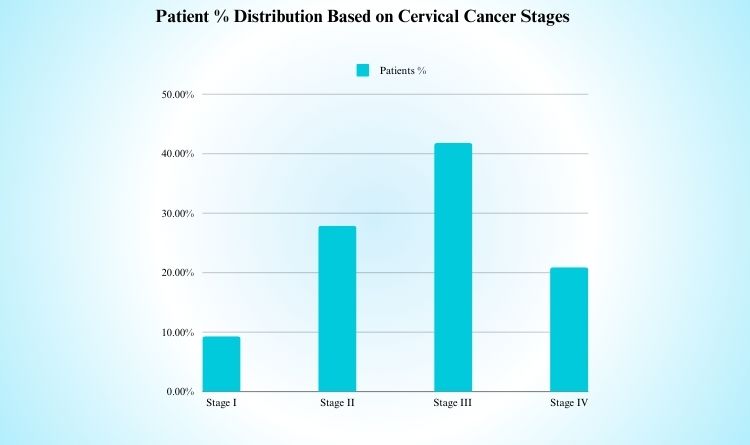
Cervical cancer has been classified into various stages according to the extent of cancer spread. The staging system supports physicians in establishing the disease spread, predicting prognosis, and making a selection of the best treatment.
Stage I: Localised Cervical Cancer
Description: At this stage, the cancer is restricted to the cervix and has not spread to adjacent tissues and organs.
Substages: There are two substages for localised cancers:
- Stage IA: Cancer is microscopic, only visible under a microscope, and confined to the cervix.
- Stage IB: Cancer is more prominent but still limited to the cervix.
Stage II: Spread Beyond the Cervix
Description: Cancer has progressed beyond the cervix into the cervical third of the vagina and/or adjacent tissues but has not yet reached the pelvic walls.
Substages: The stages include
- Stage IIA: Cancer extends to the cranial vagina but not to the pelvic wall.
- Stage IIB: Cancer does reach surrounding tissues around the cervix, but it does not reach the pelvic walls.
Stage III: Spread to Pelvic Wall or Lower Vagina
Description: At this stage, the cancer has spread to the lower part of the vagina or the pelvic wall, which can cause blockage of the kidneys or swelling in the legs.
Substages: The two substages are
- Stage IIIA: Cancer infiltrates the lower third of the vagina but not the pelvic wall.
- Stage IIIB: Cancer infiltrating into the pelvic wall and possibly having intrarenal repercussions such as obstruction or oedema.
Stage IV: Distant Metastases
Description: Cancer has metastasised outside the pelvis to remote sites (such as the bladder, rectum, or even lungs and liver). This stage is the most advanced.
Substages: The substages include
- Stage IVA: Cancer has spread to the bladder or rectum.
- Stage IVB: Cancer has metastasised to remote organs (lung or liver).
Did you know?
- Early detection of cervical cancer is 92% survival when it is localised.
- It is the HPV vaccine that protects against up to 90% of cases of cervical cancer.
- As a result, routine screening and vaccination with human papillomavirus (HPV) are contributing to a decrease in cervical cancer rates around the world.
Cervical Cancer Treatment Options: Surgery, Therapy, and Supportive Care
Cervical cancer treatment is determined by many factors such as
- The stage of cervical cancer
- The status of the patient and his/her wish for fertility.
Treatments are broadly grouped into the categories of medical interventions, surgery, drugs, and supportive care.
Medical Procedures for Cervical Cancer Treatment in India
Radiation Therapy: The therapy uses high-energy rays to kill cancer cells. It is commonly applied for the treatment of cervical cancer, including situations where surgery is not feasible or to target any residual cancer following surgery. There are two primary types:
- External Beam Radiation Therapy (EBRT): Radiation is delivered from outside the body, targeting the cancerous area with precision.
- Brachytherapy: An internal radiation type in which the radioactive sources are introduced in or near the tumour. This is commonly used in advanced cervical cancer.
Chemotherapy: Chemotherapy is frequently combined with radiotherapy, especially in the intermediate to more advanced stages of cervical cancer. The drugs target cancer cells throughout the body. The most frequently employed chemotherapy agents for the treatment of cervical cancer are:
- Cisplatin and Carboplatin—platinum-based agents that cause damage to the cell DNA of cancer.
- Paclitaxel A drug that interferes with cancer cell division, thus inhibiting the cell growth of cancerous cells.
Targeted Therapy: The therapy involves the use of specific molecules that play a role in the proliferation and invasion of cancer cells.
- Bevacizumab (Avastin) is a typical targeted drug to treat advanced cervical cancer, which exerts its effect by inhibiting the tumour's blood supply, blocking the tumour from growing.
Surgery: The surgical treatment option is a primary treatment procedure for early stage cervical cancer. The procedure involves removing the cervix, uterus, part of the vagina, and nearby lymph nodes. Some of the approaches for cervical cancer surgery in India are:
Cone Biopsy
- A treatment procedure in which a cone-shaped piece of tissue is excised from the cervix, usually for early-stage cervical cancer or precancerous lesions.
- It can also be a diagnostic tool to assess cancer extent.
Hysterectomy
- A surgical treatment procedure in which the uterus is removed.
- It is the most commonly performed procedure in early-stage cervical cancer patients. It includes:
- Total hysterectomy is a surgical option in which the entire uterus and cervix are removed.
- Radical hysterectomy is another type of hysterectomy in which the removal of the uterus, cervix, part of the vagina, and surrounding tissues.
Trachelectomy:
- A fertility-sparing operation in which only the cervix is excised while the uterus is preserved.
- This procedure is also popularly suggested for premenopausal women with early cancer stage and fertility desire.
Supportive Care
The supportive care focuses on palliative, psychosocial, and nutritional support.
Palliative Care
- Palliative care aims at symptom management and quality of life enhancement in patients with advanced cervical cancer.
- This care is designed to control pain, fatigue, nausea, and other symptoms of cancer and its treatments.
Psychosocial Support
- Dealing with a cancer diagnosis can be emotionally challenging.
- Psychosocial support refers to counselling, support groups, and mental health services.
- The support helps patients and families to manage emotional and psychological demands.
Nutritional Support
- Maintaining proper nutrition is essential for cancer patients, especially when undergoing treatments like chemotherapy and radiation, which can affect appetite and digestion.
- Nutritional support is offered in the form of individualised dietary advice to support strength and health during the course of treatment.
- Also, exercise programs may be suggested to further support well-being and increase energy levels.
Cervical Cancer Risk Factors: HPV Infection
Cervical cancer is highly preventable, but a multitude of risk factors can raise the propensity of developing the disease. Identifying these risk factors is important for prevention and early diagnosis.
HPV Infection
- HPV is the most important etiological factor for cervical cancer.
- Chronic infection with high-risk HPV types (especially HPV 16 and 18) is known to cause alterations in the cervical epithelial cells, which can progress to the development of cervical cancer.
- HPV vaccination is advised to prevent it, and it may be used to decrease the risk of cervical cancer by blocking the common high-risk strain of HPV.
Preventing Cervical Cancer: Lifestyle Changes and Risk Reduction
Cervical cancer prevention relies on multiple techniques, the vast majority of which target the prevention of HPV infection and general health promotion.
Here are the most effective prevention methods:
HPV Vaccination: Prevention Strategy for Cervical Cancer
- The HPV vaccine is one of the most effective ways to prevent cervical cancer, as it protects against the types of HPV most commonly associated with the disease, particularly types 16 and 18.
- Vaccination is individually recommended for boys and girls from age 11 or 12 but may be administered from age 9 until age 26 (and up to age 45 in some cases).
- The vaccine is highly effective in decreasing both the incidence of HPV-related cancers, including cancer of the cervix, and infection of high-risk strains of the virus.
- Aside from the prevention of cervical cancer, the HPV vaccine can also prevent anorectal, pharyngeal, penile, and other cancers.
Regular Screenings: Pap Smears and HPV Tests
- Pap tests (or Pap smears) and HPV tests are key screening tests to identify cervical lesions prior to malignancy. Regular screening can detect precancerous cells and HPV infection at an early stage and enable early intervention and treatment.
- Pap Smear: Recommended for females starting at age 21 and every 3 years thereafter until age 29. A Pap test might be performed every 5 years after age 30 if combined with an HPV test.
- HPV Test: Appropriate for women 30 or older or in the event of an abnormal Pap smear. This test identifies the high-risk, risk-epitope-bearing HPV strains that are most likely to cause cervical cancer.
- Routine screening should always be undertaken even when you perceive yourself to be healthy, as cervical cancer symptoms are hard to recognise at an early stage.
Safe Sexual Practices: Use of Protection and Limiting Partners
- The use of condoms during sexual behaviour can decrease transmission of HPV and other STIs, but it does not totally eliminate the risk, as HPV can infect sites not covered by the condom.
- Reducing the number of sexual partners decreases the risk of an HPV infection since the more sexual partners someone has, the higher the chance of being exposed to the virus.
- Being in a monogamous relationship with a partner who has no HPV infection can also lower the risk of HPV transmission.
- Safe sexual practices are crucial in the prevention of cervical cancer and in general sexual health.
Healthy Lifestyle: Balanced Diet and Quitting Smoking
- Balanced Diet: A healthy diet rich in fruits, vegetables, and whole grains supports overall immune function, which is essential for fighting off infections like HPV. For example, some nutrients (e.g., vitamin C, vitamin E, folate) have the potential to support the maintenance of healthy cervical cells and decrease cervical cancer risk.
- Exercise: Physical activity, actively, for a period of time, contributes to maintaining a healthy weight and enhancing the immune system mechanisms, both of which decrease the risk of cervical cancer.
- Quit Smoking: Smoking is a major risk factor for cervical cancer because of the toxic chemicals in tobacco that damage the cervix and weaken immunity. Smoking cessation lowers the rates of cervical cancer as well as provides general health benefits.
- Low Alcohol Consumption: A decrease in alcohol intake and a healthy weight are both significant contributors to the prevention of cervical cancer.
Which Doctor is Best for Cervical Cancer?
When it comes to cervical cancer, the best type of doctor to consult is a gynecologic oncologist. Below is a list of the best gynaecological oncologists in India who treat cervical cancer.
- Dr. Jalaj Baxi: He ranks amongst the best surgical oncologists in India, with over 36 years of experience. His areas of interest include gynaecological oncosurgery, head and neck cancer, breast cancer, etc.
- Dr. Senthil Kumar Ravichander: He is among the best cancer doctors in Chennai, specialising in surgical oncology with 19+ years of experience. He specialises in treating gynaecological cancers, recurrent ovary cancers, gastrointestinal and urological cancers, and soft tissue cancers.
- Dr. Vinod Raina: Dr. Vinod Raina is one of India's leading medical oncologists, having over 50 years of experience. He specialises in the treatment of breast, lung, gastrointestinal, urological, and gynaecological cancers, as well as lymphomas and myelomas.
- Prof. Dr. Suresh H. Advani: Dr. Suresh H. Advani is one of the most experienced medical Pediatric oncologists and haematologists with 50+ years of experience. His expertise lies in the treatment and management of cancers of the breast, cervical , stomach, etc.
- Dr. Mukesh Patekar: He is a renowned medical and haemato-oncologist with 15 years of vast experience. His clinical focus includes breast and lung oncology, gynaecological/genitourinary malignancies, etc.
Which Hospitals are Best for Cervical Cancer?
For cervical cancer treatment, treatment hospitals should be selected with the ability to perform specialised treatment, as well as to possess advanced technology and the ability to let experienced medical staff carry out the treatment. Among the best oncology hospitals in India for the treatment of cervical cancer are:
- Fortis Memorial Research Institute, Gurgaon: A multi-super-specialty quaternary care hospital, established in 2001, equipped with a team of reputed clinicians, including superspecialists and specialty nurses.
- Max Super Speciality Hospital, Saket, New Delhi: Established in 2005, Max Super Speciality Hospital, Saket, is considered one of the best hospitals in the country. It is a regional hub for complex procedures, including, neurovascular intervention, heart surgeries, orthopaedic surgeries, liver & kidney transplants, fertility treatments and targeted therapy for cervical cancer in India.
- Apollo Proton Cancer Centre, Chennai: Established in 2019, Apollo Proton Cancer Centre, Chennai, has the first and only proton center in South Asia and the Middle East. The hospital has an advanced cancer center equipped with diagnostic tools and imaging machines.
- Medanta - The Medicity, Gurgaon: A super-specialty hospital established in 2009. The hospital comprises the Division of Medical and Haemato Oncology, the Division of Radiation Oncology, and multiple organ-specific surgical cancer divisions, including Breast Services and Head and Neck Oncology.
- MIOT International, Chennai: Established in 1999, MIOT (Madras Institute of Orthopedics and Traumatology) International is a multi-specialty hospital. The hospital offers neurosurgery, cardiology, thoracic and cardiovascular care, nephrology, oncology, knee replacement, hip replacement surgery, plastic surgery, paediatrics, obstetrics, craniofacial and cosmetic surgery.
Future Perspectives: Advancements in Cervical Cancer Treatment in India

- The treatment for cervical cancer in India continues to be a major public health issue; however, recent developments in treatment and prevention hold promise for better outcomes.
- Advanced modalities of treatments, including gene therapy and specific therapy, as well as strong vaccination efforts.
- Screening programs are set to revolutionise the treatment for cervical cancer in India.
- Further investigation and cooperation amongst government and nongovernmental organisations are critical to effectively translate these approaches, thereby achieving a future in which cervical cancer is uncommon in this country.
Frequently Asked Questions About Cervical Cancer Treatment in India
1. What is the cervical cancer treatment cost in India?
It ranges between $3000 to $7000, making it an affordable cervical cancer treatment in India. However, it can vary depending on the cervical cancer stage, hospital choice, and place.
2.Is cervical cancer curable in India?
Yes, cervical cancer is curable in India if it is diagnosed and treated at an early stage.
3. What is the success rate of cervical cancer in India?
Approximately more than 91% of patients can survive for more than 5 years if diagnosed at an early stage.
4. How to select the best cervical cancer treatment hospital in India?
The best cervical cancer treatment hospitals in India can be selected based on the advanced treatment facilities, high success rates, positive patient reviews, and the hospital accreditations.
5. Can international patients get cervical cancer treatment in India?
Yes, India offers medical visas and international patient care services for international patients who are coming for their cervical cancer treatment.
Written by

Mariyum Naqvi
Vaidam Health · Updated 24 Dec 2024
Mariyum is an experienced medical writer with a Master’s degree in Biotechnology, specialising in transforming intricate scientific concepts into clear, engaging, and accessible content. With a strong passion for demystifying health and science topics, she excels at crafting content that resonates with diverse audiences, from industry professionals to general readers. Mariyum ensures that her writing is not only informative but also strategically designed to maximise reach and visibility in digital spaces.
Content meets the Vaidam Policy and is medically reviewed

Medically reviewed by
Dr. Bhawana Mittal Chat
Chat