

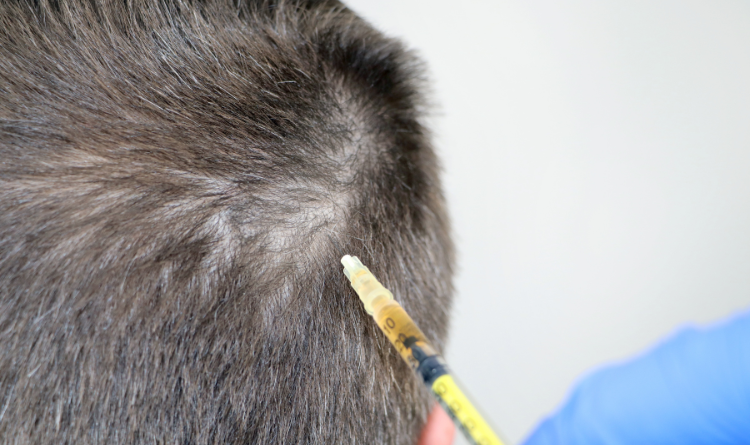
Invest in your hair, the crown you never take off.
Hair transplantation not only recoups your hair but your self-esteem and confidence too. The surgery is done under anesthesia and takes about 4- 8 hours. Before the graft is transplanted, the old healthy hair is removed. A day before the surgery, you must sleep well and take medicine prescribed by your doctor.
FORM_CODE
After the transplant, the hair follicles take six to twelve months to grow. 6-8 weeks post-surgery, you may experience hair fall or hair may get thin. It is normal and expected. Just like pre-transplant care, you need to follow the instructions post-procedure. It will ensure fast recovery and growth.
The first week of recovery is crucial. The day after the hair transplant, the bandages are removed at the clinic. Let the anesthetic and sedative effect wear off before you resume work. Take a short week’s break if your job includes physical activity. The results are not immediate but are worth the wait. Let us know more about post-procedure care.
FORM_CODE
India is one of the best choices for hair transplants. People all over the globe travel the country to get the surgery done. Read more about the hospitals and services provided by the staff:
Apart from India, there are numerous countries where one can find the best hospitals for hair transplants, such as:
- Best Hospitals for Hair Transplant in Thailand
- Best Hospitals for Hair Transplant in Turkey
- Best Hospitals for Hair Transplant in Malaysia
Everything You Need To Know About Post-Hair Transplant Care
-
Head Wash: Head wash can influence the course of your hair transplant recovery. Before applying shampoo, the graft area is covered with oil or lotion to soften the graft. The softening removes dry patches of blood and scabs. After 20-30 minutes, mildly apply lather but do not rub it. The shampoo should not have silicone, dyes, or perfumes. It should be the medicinal product prescribed by the surgeon. Dry it with a paper towel by patting and not rubbing it. Make sure you do not rub at any stage of the head bath. The head should remain moisturized to avoid the feeling of dryness. Within two weeks, you will be able to wash your hair like you used to. After a month, the scabs on the scalp disappear.
-
Sleep After Transplant: The transplanted areas should avoid any contact for the first few days. While sleeping, a person can use as many pillows to elevate the head position. This way, the person will sleep on their back without much affecting the grafts.
-
Pain After Transplant: In the operated area, numbness persists for a day or two due to the anesthetic and sedative effects of the surgery. Mild pain can occur in the donor areas in a few cases. Painkillers prescribed by the surgeon subside the pain.
-
Take Proper Rest: Taking proper rest does not mean bed rest. You can move around and do light chores. Anything strainful or involving jerky movement to the head will destroy the graft.
-
Swelling: Swelling of the scalp usually subsides in the first two days. In a few patients, swelling appears on the forehead and, sometimes, travels down to the eyebrows. Surgeons can recommend you a headband to prevent any swelling. In case of swelling, apply ice cubes wrapped in a cloth 4-5 times. If the swelling persists or heightens, take the prescribed medicine.
-
Irritation: Itching is a common symptom after transplantation and might persist for two weeks. It indicates a positive recovery. In case it is intolerable, you can always take antihistamines as prescribed.
-
Sun Exposure: Do not go under the direct sun as it will interfere with the healing process and is fatal for the baby follicles.
-
Diet: Avoid food that delays your healing process. Take light and non-spicy food for a few weeks after surgery. Avoid alcohol and smoking at all costs for at least two weeks post-surgery.
-
Exercise: Activities that increase the cranial epidermis's temperature destroy the hair follicle. Strenuous workout, sexual activities, swimming, spa, or sauna, which causes the heating of the epidermis, must be avoided.
Bottom Line
The success of a hair transplant is not only determined by the surgeon. The patient should follow instructions and strictly maintain the hair after the operation.
You need to search thoroughly about the surgeon and the treatment before making up your mind. Know more about the best surgeons before you make your decision:


 Chat
Chat