

Key Diagnostic Tests for Assessing Cardiac Health Before Surgical Procedures

Billions of laboratory tests are performed yearly to screen for, diagnose, and manage various diseases and conditions. Medical tests are frequently performed before any surgery. These pre-operative tests may include chest X-rays, blood and urine tests, and heart and lung tests. These tests help in case of severe surgery and can show if you need special care or a delay or change in your operation.
Here we will discuss some pre-operative tests that may be performed before any surgical procedure. These tests can be performed in both adult and pediatric populations.
Which Tests are Performed to Assess Cardiac Conditions?
These tests are often performed days or weeks before planned cardiac surgery and typically involve a physical exam. These evaluations are designed to assess your chances of experiencing a heart-related problem during the surgery.
Cardiac Biomarker Tests
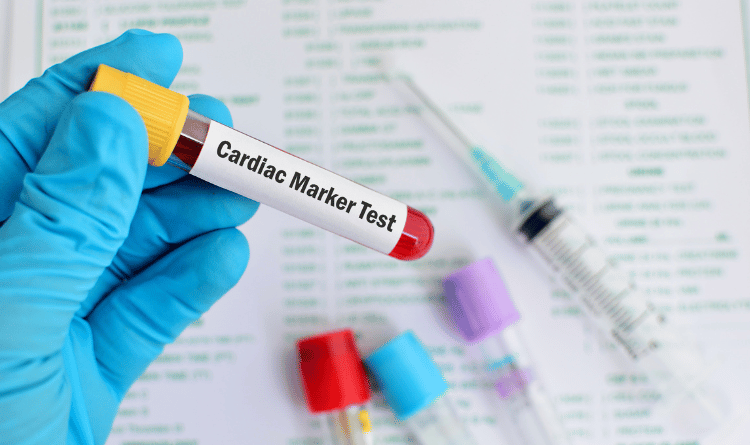
In cases of heart damage or stress, cardiac biomarkers are released into the blood. Measuring these biomarkers helps diagnose acute coronary syndrome (ACS) and cardiac ischemia.
Cardiac biomarkers tests can also be used to determine a person's risk of having these conditions or to help monitor and manage someone suspected of these conditions.
An increase in one or more cardiac biomarkers in the blood can identify people with these conditions, allowing rapid and accurate diagnosis and appropriate treatment of their condition.
Only a few cardiac biomarker tests are routinely used by physicians. Troponin is the current biomarker test of choice for detecting heart damage. Other cardiac biomarkers are less specific for the heart and may be elevated in other situations, such as skeletal muscle injury.
Troponin Test (cTN)
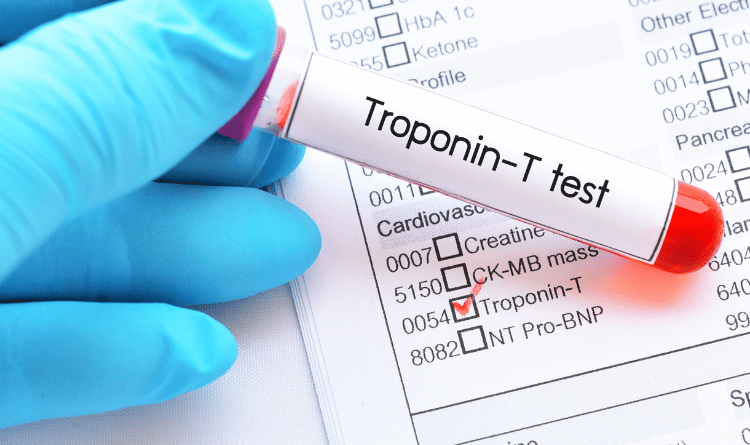
Since troponin is not normally detectable in the blood, even small amounts can indicate some injury to the heart muscles.
The most common purpose of troponin testing is:
- To establish whether a patient's symptoms are related to a heart problem.
- To detect acute coronary syndrome, which describes several conditions that reduce blood flow to the heart, including heart attack and unstable angina.
- To evaluate patients after surgery that could affect the heart.
Non-laboratory Tests
These tests allow health practitioners to examine the heart's size, shape, and function as it beats. They can detect heart rhythm changes and evaluate damaged tissues and blocked arteries.
- EKG (ECG, electrocardiogram)
- Coronary angiography (or arteriography)
- Echocardiogram [Cardiac echo, transthoracic echocardiography (TTE)]
Electrocardiogram (ECG or EKG)
It measures the heart's electrical activity. The electrodes are placed on your chest, arms, and legs to measure the heart's electrical activity. A tracing is generated to detect heart-related conditions such as conduction disorders, arrhythmias, and valve disease.
Echocardiogram Test (Stress Test)
These tests can show if you are at risk of a heart attack or another serious heart problem during surgery. The tests take pictures of the heart in different ways.
Echocardiography uses sound waves (ultrasound). Stress echocardiography is done when the heart is working hard.
You may need one of these tests if:
- You have a high-risk heart condition, such as uncontrolled heart failure, severe valve disease, or a recent heart attack.
- You have symptoms that might be heart-related, such as chest pain, trouble breathing, or getting tired or out of breath more easily than before.
- You will have major surgery, such as chest surgery, joint replacement, or bypass surgery for a blocked artery in the leg. You also have both of these risks:
- Kidney disease, diabetes, or a history of coronary artery disease, heart failure, or stroke
- You cannot walk a short distance or climb stairs without having symptoms like chest pain or shortness of breath.
- You probably don't need the tests if you don't have a serious heart condition or symptoms and your surgery is low-risk and unrelated to the heart.
Angiogram
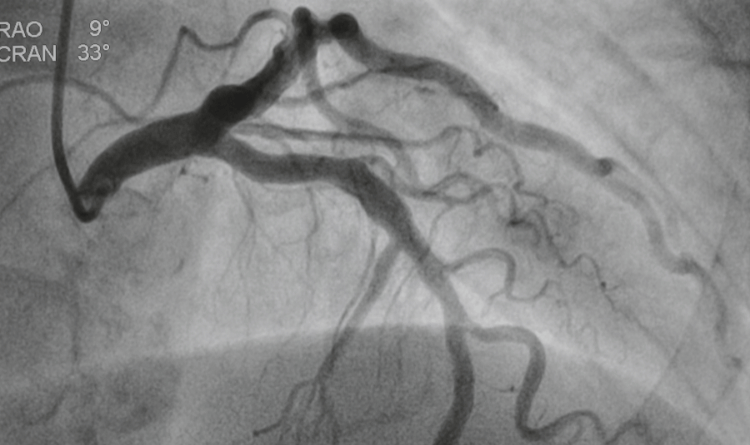
It is a diagnostic procedure that uses imaging to show your provider how blood flows through your blood vessels or heart. Your healthcare provider can use X-rays or other types of imaging for your angiogram.
An angiogram injects contrast material (dye) that your provider can see with an X-ray machine. Images on a screen show blood flow and blockages in your blood vessels.
Key Takeaways
The lead-up to surgery is full of hassles like booking appointments, checking your insurance, talking to physicians, and calling family members. During this hassle, ensure you don't skip the most important step - getting your tests for cardiac clearance.
Whether it's you or your loved ones undergoing a procedure, consult your physician to ensure that the right tests are performed at the right time.
Written by

Nishu Negi
Vaidam Health · Updated 25 Sept 2026
A microbiologist by education, Nishu Negi clearly understands scientific/healthcare concepts and ideas. She is a creative content writer passionate about innovative concepts and expresses these with clarity in her writing. She enjoys writing blog posts and articles in a way that the target audience understands them.
Content meets the Vaidam Policy and is medically reviewed

 Chat
Chat