


Getting a stent for heart blockage is a life-saving milestone, but it’s not the finish line. Each year, over 1 million angioplasty procedures with stent placement are performed worldwide to restore blood flow through the heart’s arteries. While this minimally invasive procedure can quickly relieve chest pain and prevent heart attacks, it doesn’t cure heart disease.
In fact, up to 20% of patients may experience re-narrowing of arteries (restenosis) if proper care isn’t taken post-procedure. That’s why what you do after getting a stent is just as important as the procedure itself.
In this blog, we’ll explore six essential lifestyle changes that support a strong stent recovery, reduce the risk of future blockages, and help you lead a heart-healthy life.
Why Lifestyle Changes Are Essential After a Stent?
Stents are incredibly effective at restoring blood flow through narrowed arteries, but they don’t fix the root problem: atherosclerosis, or plaque buildup inside your vessels. A stent works as a repair, not a cure, which is why keeping an eye on it with lifestyle changes is essential.
Studies from the American Heart Association also showed that around 1 in 5 patients experience restenosis or re-narrowing of the artery within just 6 to 12 months, especially if they slip back into old habits.
The truth is, getting a heart stent is a second chance. Healthy choices after the procedure don’t just help you recover; they can prevent another heart attack, stroke, or emergency down the line.
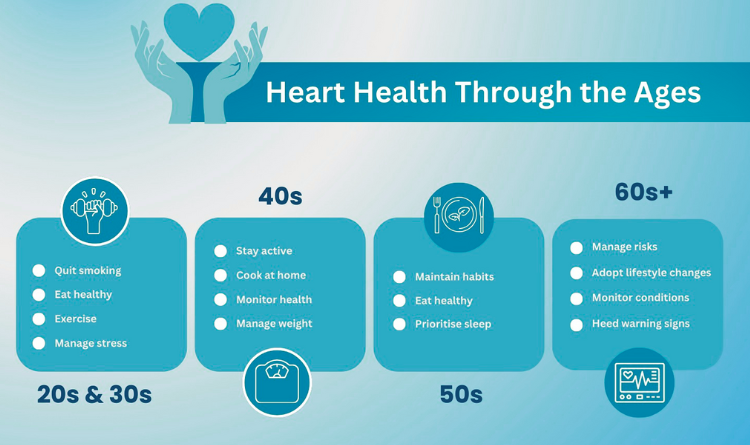
Turning Awareness into Action: Where to Begin?
Understanding that a stent isn’t a cure is just the first step. The real challenge and opportunity lie in transforming that awareness into daily actions that protect your heart for years to come. Let’s dive into the most important areas to focus on:
1. Adopt a Heart-Healthy Diet
Diet is one of the most powerful tools in a post-stent recovery lifestyle. What we eat directly impacts cholesterol levels, blood pressure, weight, and blood sugar, all of which are major risk factors for heart disease.
Foods to Include:
- Fruits and Vegetables: Aim for 4–5 servings per day. Rich in fiber, vitamins, and antioxidants.
- Whole Grains: Brown rice, oats, quinoa, and barley support good heart health.
- Lean Proteins: Skinless poultry, fish (especially oily fish like salmon), tofu, and legumes.
- Healthy Fats: Olive oil, flaxseeds, nuts, and avocado instead of trans or saturated fats.
Foods to Limit:
- High Cholesterol Diets: Avoid red meats, organ meats, full-fat dairy, and fried food.
- Salt and Sodium: Too much salt raises blood pressure. Limit processed foods and use herbs instead of salt.
- Added Sugars: Found in sodas, baked goods, and packaged snacks—these increase triglycerides and body fat.
Do You Know?
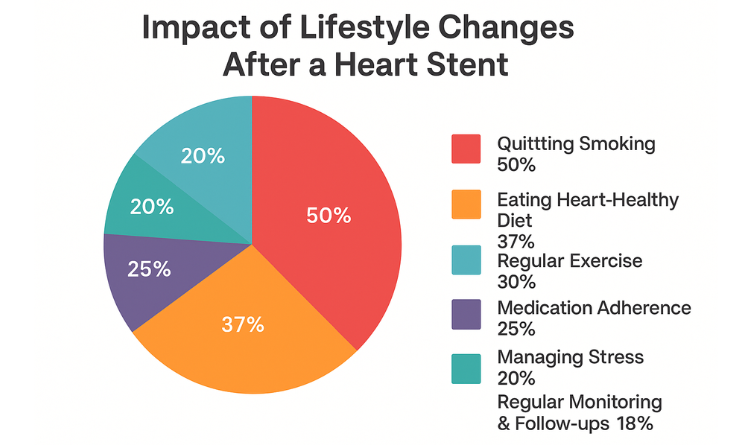
- According to studies, adopting the Mediterranean diet after a cardiac event reduces mortality by up to 37%.
- Quitting smoking decreases the risk of blood clots and heart attacks by more than 50%.
- Regular exercise after stent placement helps reduce LDL (bad cholesterol), control blood pressure, and cut the risk of another heart event by nearly 30%.
2. Engage in Regular Physical Activity
Many patients worry about exercising after stent placement, but staying active is one of the most important steps for post-stent care. Exercise strengthens the heart, improves circulation, lowers blood pressure, and helps control weight.
How to Start:
- Follow a Cardiac Rehab Program: This medically supervised program provides safe, customized exercise plans and is highly recommended.
- Begin Slowly: Start with walking for 10–15 minutes a day and gradually increase as tolerated.
- Aim for 150 Minutes per Week: It’s recommended to engage in moderate aerobic exercise (like brisk walking, cycling, or swimming) for at least 30 minutes a day, five days a week.
- Strength Training: Light weights or resistance bands 2–3 times per week are beneficial.
3. Don’t Skip Your Medications
Post-stent care involves lifelong medication management to prevent blood clots and control underlying risk factors.
Commonly Prescribed Medications:
- Antiplatelets (e.g., aspirin, clopidogrel): Prevent clot formation in the stent
- Statins: Lower cholesterol and stabilize plaque
- Beta-blockers and ACE inhibitors: Manage blood pressure and support heart function
Skipping or altering doses can be life-threatening. Many patients stop medications once they feel better, but this can increase the risk of restenosis or even another heart attack.
4. Manage Stress and Mental Health
Your emotional health matters as much as your physical recovery. Anxiety, depression, and chronic stress are common after heart procedures and can negatively impact recovery and cardiac function.
Stress Management Techniques:
- Mindfulness & Meditation: 10–15 minutes a day can reduce heart rate and lower cortisol levels.
- Deep Breathing & Yoga: Helps control stress and blood pressure.
- Counseling or Support Groups: Participating in talk therapy or joining a heart patient support group can ease emotional burden.
5. Quit Smoking and Limit Alcohol
Smoking is one of the most damaging habits for heart health. It not only contributes to plaque buildup in the arteries but also damages blood vessels and reduces the oxygen in your blood. After a stent procedure, continuing to smoke significantly increases the risk of another cardiac event.
Why You Must Quit Smoking:
- Narrows blood vessels, reversing the benefit of the stent.
- Increases clotting risk and raises blood pressure.
- Reduces the efficacy of cardiac medications.
Alcohol Intake:
While some studies suggest moderate alcohol, particularly red wine, might offer heart benefits, it’s best to limit or avoid alcohol altogether, especially if you’re on heart medications.
6. Keep Up with Long-Term Monitoring and Follow-ups
Even after you've made the right lifestyle changes, staying consistent with your long-term care is non-negotiable. A stent helps restore blood flow through the heart, but your arteries are still vulnerable to plaque buildup. That’s why regular check-ups are just as important as medication and diet.
Essential Follow-Up Steps:
- Schedule Routine Cardiologist Visits: At least once or twice a year, or as advised.
- Get Lab Work Done Regularly: Monitor cholesterol, blood sugar, kidney function, and lipid profiles.
- Track Your Blood Pressure at Home: Aim for levels below 120/80 mmHg, unless otherwise directed.
- Keep a Health Journal: Note symptoms, BP readings, side effects from medication, or emotional ups and downs.
Set recurring calendar reminders for appointments and lab tests, and involve a family member to help you stay accountable.
Final Thoughts
Embracing a complete stent recovery lifestyle is more than just a step toward healing. By following the six essential lifestyle changes outlined in this guide, eating well, staying active, taking your medications, managing stress, avoiding harmful habits, and keeping up with regular check-ups, you give your heart the best chance to thrive.
This isn’t just about avoiding another heart event. It’s about reclaiming your health, building new habits, and creating a lifestyle that supports your body, mind, and spirit. With the right guidance, consistent effort, and a positive outlook, life after a stent can be vibrant, fulfilling, and even healthier than before.


 Chat
Chat