

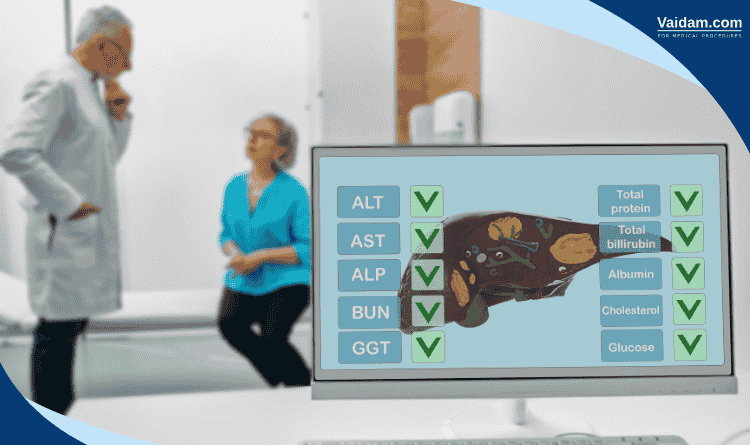
The liver plays an essential role in our overall health by processing the nutrients from our food, filtering out harmful toxins from our blood, and producing crucial proteins that support various bodily functions. Its ability to regenerate and heal makes it a resilient organ. However, despite this regenerative capacity, the liver is vulnerable to a range of diseases that can have profound impacts on our well-being.
Liver diseases have become a significant global health issue, with the World Health Organisation estimating that as many as 1 in 4 adults may be affected by some form of liver condition. This high prevalence rate highlights the urgent need for increased awareness and proactive management of liver health. The growing number of liver disease cases underscores the importance of understanding these conditions to prevent, diagnose, and treat them effectively.
In this blog, we will explore the diverse world of liver diseases, examining their causes, symptoms, and the most recent advancements in treatment.
Understanding Liver Diseases: Causes and Risk Factors
Liver diseases appear in several forms, with diverse causes. Here are some of the most prevalent types of liver diseases and their primary causes:
1. Hepatitis
Hepatitis is an inflammation of the liver, most often caused by viral infections. There are five main types of hepatitis viruses: Hepatitis A, B, C, D, and E.
Hepatitis A and E are typically transmitted through contaminated food and water, causing acute liver inflammation. These forms are often self-limiting and do not lead to chronic liver disease. Hepatitis B, C, and D are more severe and are spread through contact with infected blood, sexual contact, or from mother to child during birth. Chronic Hepatitis B and C are significant global health concerns, as they can lead to liver cirrhosis and cancer over time.
2. Fatty Liver Disease (NAFLD)
Non-alcoholic fatty liver disease (NAFLD) is a rising concern globally, particularly in developed countries. This condition occurs when fat builds up in the liver, leading to inflammation and, potentially, permanent liver damage. NAFLD is often associated with obesity, type 2 diabetes, and poor dietary habits.
In its early stages, NAFLD may not cause any symptoms. However, as it progresses to non-alcoholic steatohepatitis (NASH), it can lead to cirrhosis or liver failure. With increasing rates of obesity worldwide, NAFLD is expected to become the leading cause of liver transplants.
3. Alcohol-Induced Liver Disease
Excessive alcohol consumption remains one of the most common causes of liver damage. Chronic heavy drinking leads to a spectrum of liver conditions ranging from fatty liver (steatosis) to alcoholic hepatitis and cirrhosis. Cirrhosis is the final stage of chronic liver disease, characterised by the liver's inability to regenerate, leading to permanent scarring and liver failure.
4. Autoimmune Liver Diseases
These are diseases in which the immune system, instead of defending the body from foreign substances, inaccurately identifies the liver cells as alien and launches a cell-mediated immune attack on them. Examples include autoimmune hepatitis. The cause of autoimmune liver disease is generally not known, though genetic and environmental aspects may play a predisposing role.
5. Genetic Disorders
Other inherited disorders that affect the liver and result in damage include Hemochromatosis and Wilson's disease. The former results in excess iron accumulation within the body, while the latter causes copper accumulation. An inherited disorder disrupts a metabolic pathway of a particular substance.
Symptoms: How to Recognise Liver Disease
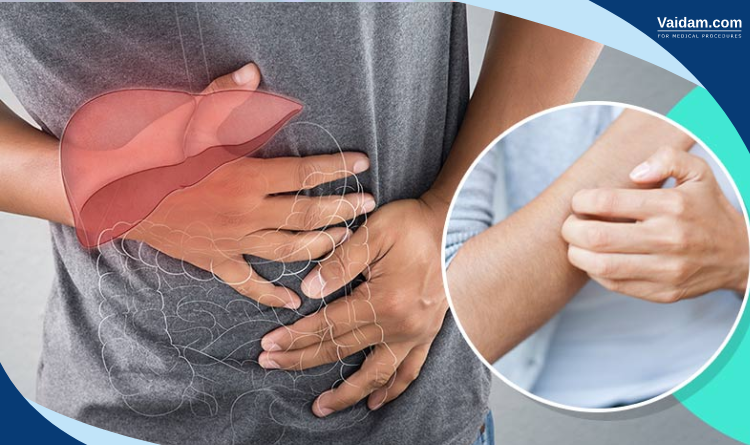
Liver diseases often progress silently until significant damage has occurred. This delay in symptoms makes early detection challenging. However, some common signs of liver disease include:
-
Jaundice: Yellowing of the skin and eyes due to a buildup of bilirubin in the blood
-
Fatigue: A constant feeling of tiredness or weakness
-
Swelling in the abdomen and legs: Often due to fluid retention (ascites and edema)
-
Dark urine and pale stool: A result of liver dysfunction
-
Itchy skin: Due to bile salt buildup under the skin
-
Nausea and vomiting: Frequent digestive issues
If these symptoms appear, especially in combination, it is critical to seek medical attention for further diagnosis and treatment.
Liver Disease Treatment: Effective Approaches
The treatment of liver diseases varies widely depending on the specific condition, its severity, and the patient's overall health. While traditional treatments focus on managing symptoms and preventing further damage, recent medical advancements have provided new hope for patients with liver diseases.
1. Medications and Lifestyle Changes
Early-stage liver diseases, such as NAFLD and Hepatitis B, can often be managed with lifestyle changes and medications. Weight loss, regular exercise, and dietary adjustments can reverse early-stage fatty liver disease. Antiviral drugs can manage chronic hepatitis infections, reducing the risk of progression to cirrhosis or cancer.
2. Minimally Invasive Procedures
Minimally invasive procedures, such as endoscopic therapies and radiofrequency ablation, have become essential in treating liver diseases and liver tumours. These methods reduce recovery times and improve outcomes, especially in patients who are not candidates for surgery.
3. Liver Transplantation
For end-stage liver disease, cirrhosis, or liver cancer, liver transplantation is often the only viable treatment option. Over the years, liver transplantation techniques and post-operative care have improved significantly, resulting in higher success rates and better quality of life for patients.
India has become a hub for liver transplants, offering world-class medical expertise at affordable rates. The Liver Transplant Cost In India is substantially lower compared to Western countries, making it a preferred destination for international patients.
Latest Advances in Liver Disease Treatment
As medical research continues to evolve, innovative therapies are transforming the way liver diseases are managed and treated, offering new hope to patients. Here's a look at some of the latest breakthroughs:
1. Direct-Acting Antivirals (DAAs)
DAAs have revolutionised hepatitis C treatment, with cure rates exceeding 95%. These oral medications have dramatically reduced the risk of liver cancer and cirrhosis in patients with hepatitis C.
2. Immunotherapy for Liver Cancer
Immunotherapy, particularly immune checkpoint inhibitors like nivolumab and pembrolizumab, has shown success in treating advanced hepatocellular carcinoma, the most common form of liver cancer.
3. Targeted Therapies
New drugs like Cabozantinib and Regorafenib target specific pathways involved in liver cancer growth, offering patients new treatment options.
4. Artificial Liver Support Devices
Bioartificial livers are being developed as temporary support systems for patients with acute liver failure, potentially bridging the gap until liver regeneration or transplant.
Conclusion
Liver diseases are a significant global health issue but advances in medical science offer hope and improved outcomes for those affected. Understanding the causes and symptoms of liver diseases is crucial for early detection and effective management. As we look to the future, innovations in treatment, including the availability of affordable liver transplantation and the expertise of the best liver transplant surgeons in India, will provide a beacon of hope for patients worldwide.
By staying informed and proactive, we can all contribute to a healthier future. If you or a loved one is facing liver disease, seeking professional medical advice and exploring treatment options can make a world of difference. The journey may be challenging, but with advancements in treatment and a supportive healthcare system, there is hope for a healthier tomorrow.



 Chat
Chat