


Male infertility is described as a male's inability to make an appropriate contribution to conception such that a pregnancy takes place through 12 unprotected sexual intercourses. It can be attributed to a broad spectrum of contributory factors, including, e.g., low sperm count, low sperm motility, abnormal sperm morphology, or genital organ defects.
The emotional/psychological consequences may be significant, with impacts on social relations, personal esteem, and mental health. Social rejection and interpersonal distress are experienced by most couples, so early spread and effective treatment for male infertility in India are critical.
Novel advanced therapies in India, including
- Hormonal therapy for male infertility in India
- Male infertility surgical repair in India
- In-vitro fertilisation (IVF)
- Intracytoplasmic Sperm Injection (ICSI)
These therapies have made the paradigm shift in infertility care. Procedures such as Testicular Sperm Extraction (TESE) and Microsurgical Epididymal Sperm Aspiration (MESA) provide hope to couples facing infertility.
India is exceptional worldwide in terms of its high-tech, skilled professionals, low-cost treatment, and high success rate, which makes India the most sought-after place for male infertility treatment.
What Makes India Unique in Addressing Male Infertility?
India now ranks among the leaders in the management of male infertility. Some of the possible reasons could be:
- Advanced Healthcare Infrastructure: Country has state-of-the-art high-technology diagnostic instruments in super-speciality hospitals and fertility clinics having male infertility diagnostics and treatment facilities.
- Expert Fertility Specialists: Leading fertility specialists and urologists in India are all trained internationally and have wide experience in the management of male infertility.
- Advanced Diagnostic Techniques: Indian centers offer complex diagnostic facility (e.g., semen analysis, hormone analysis, genetic analysis, DNA fragmentation analysis) to know the causative factors behind the male infertility.
- Cost-Effectiveness: Treatment costs for male infertility in India are at a much lower price than in the United States, United Kingdom, and Australia and is a desirable choice for overseas patients.
- High Success Rates: A good number of Indian fertility clinics have high success rates in managing male infertility due to advanced technology options available at lower costs.
- Treatment Options: A variety of treatment options for male infertility are available, such as IUI, IVF, ICSI, sperm donation, varicocele surgery, and testosterone replacement.
- Comprehensive Patient Care: In India, fertility units are centered around whole-person care, which includes lifestyle counseling, psychological counseling, and post-treatment follow-up counseling for the couple.
- International Recognition and Accreditation: A large number of Indian fertility centers have received international accreditation (e.g., NABH, JCI) which confirms the quality of care and patient safety.
Did You Know?
- India performs over 150,000 fertility treatments annually.
- Male factor infertility is responsible for about half of infertility cases around the globe.
- Advances in fertility treatment have led to high success rates of over 70% in leading Indian centres.
- India's leading fertility centres have a worldwide reputation for clinical excellence and high completion rates.
Indian clinics cater to male infertility couples by providing solutions (sperm donation, egg donation, surrogacy) in a one-stop facility, thereby fulfilling all fertility requirements.
Medical Tourism Hub: The increasing reputation of India as a medical tourism destination caters to international patients and provides specialised care for male infertility at attractive prices.
Symptoms of Male Infertility
There could be a number of possible symptoms, some of which are
- Difficulty conceiving after one year of unprotected intercourse
- Low sperm count
- Poor sperm motility (movement)
- Abnormal sperm shape (morphology)
- Erectile dysfunction or reduced sexual drive
- Hormonal imbalances
- Testicular pain or swelling
Common Causes of Male Infertility
- Medical conditions (i.e., diabetes, thyroid disease, genetic disorders) are in fact most likely to be the underlying causes of male infertility.
- Sexually transmitted infections, prostatitis, and mumps are among the infections that can lead to male infertility.
- Lifestyle, e.g., smoking, alcohol, drugs, obesity, can additionally affect a man's sperm count.
- The various environmental factors, like exposure to toxins, radiation, and pesticides, can also affect fertility.
- Structural problems like blockages in the reproductive tract, varicoceles, and undescended testicles.
Procedure Details of Male Infertility Treatment: From Evaluation to Recovery
The male infertility treatment can be done in a number of ways. The method includes
Before the Procedure
- Prior to male infertility treatment, patients usually undergo an overall assessment consisting of a detailed medical history and a physical examination.
- Diagnostic tests (e.g., semen analysis, hormonal assays, genetic testing, and scrotal ultrasound) are used to determine the underlying cause of infertility.
- Counselling sessions educate patients about medical treatments, possible outcomes, and fertility preservation techniques.
During the Procedure
The specific procedure depends on the cause of infertility.
- Hormonal therapy is the administration of drugs (correcting hormonal imbalance) of affect sperm production.
- Sperm retrieval techniques, including Testicular Sperm Extraction (TESE), Percutaneous Epididymal Sperm Aspiration (PESA), and Microsurgical TESE (Micro-TESE) are techniques for retrieving sperm from the testes or epididymis.
- In cases of anatomical abnormalities, surgeries, e.g., varicocelectomy to repair dilated veins or vasectomy reversal, are carried out.
Such procedures can be performed under local or general anaesthesia and with the help of minimally invasive techniques as much as possible.
After the Procedure
- After treatment, patients are closely observed by follow-up visits to assess hormone status, sperm count, and general health status.
- Therapeutic outcome is also recommended to be enhanced by lifestyle modifications such as dietary equilibration and physical activities along with stress management.
- Couples therapy is also known to be provided to couples in order to process emotional and psychological problems as the process unfolds.
If there is a varicocele defect, surgical treatment is required, which improves sperm motility in approximately 60-70% of males, thereby increasing their chances of fertility.
Dr. Sanjay Garg, Consultant - Urology and Andrology at Manipal Hospital, Ghaziabad.
How Long Does the Procedure Last?
Male infertility therapy time is dependent on the treatment.
- Hormonal Therapy: This requires ongoing treatment over several months.
- Sperm Retrieval Techniques: These procedures are usually performed within a couple of hours postoperatively for outpatient surgery.
- Surgical Procedures: Time spent on surgery (1-3 h) correlates with time spent in hospital (if admitted).
Benefits of Male Infertility Treatment
Male infertility treatments offer numerous benefits, including
- Increased likelihood of conception either spontaneously or assisted via natural or assisted reproductive technology such as In-Vitro Fertilization (IVF) or Intracytoplasmic Sperm Injection (ICSI).
- These therapies are shown to improve sperm semen quality, count and motility, which in turn improve reproductive performance.
- Furthermore, effective treatment can alleviate emotional distress and promote bonding by restoring hope for the role of parents.
Risks or Complications Associated With Male Infertility Treatment
It has been the case that, as with any medical treatment, male infertility treatment leads to risk and complication. Some of the associated complications are
- Operations, on the other hand, can cause infections, bleeding, and/or oedema at the operative site but occur only rarely when executed by skilled operators.
- Hormonal therapy can come with side effects like fluctuations in mood, weight and decreased sexual interest.
- Psychological problems such as anxiety and depression can also occur from the lack of clarity about treatment results, and psychological support at each step is absolutely necessary.
- The best doctors for male infertility treatment in India can effectively deal with such complications with advanced care options.
Recovery Time After Male Infertility Treatment
Recovery time depends on the specific procedure performed.
- Patients taking part in sperm retrieval procedures generally recover in a few days, whereas patients who take part in more demanding operations might require 1-2 weeks of bed rest.
- Hormonal therapy requires long-term follow-up and slow changes with several months of observed improvement.
- Following the physician's post-operative instructions, such as the use of prescribed medications and the continuing of follow-up visits, can facilitate a smooth recovery and lead to better treatment outcomes.
Treatment Success Rate: Analysing Effectiveness and Long-Term Benefits
India's success rates for male infertility treatments are among the best globally, matching or surpassing international standards. The success rates for treatments such as IVF and ICSI range from 60% to 80%, depending on factors like
- Age: The chances of success rate in young adults are more than compared to men above 40.
- Overall health: The person’s physiology and well-being can enhance the treatment success rate.
- Treatment type: A success rate can depend on the treatment choice which a patient is opting for.
- The underlying cause of infertility: Before opting for a treatment, males should be familiar with the underlying infertility cause.
For advanced methods such as TESE and MESA, high success rates are obtained even though such success rates depend on performing fertile judgment based on the specialist's experience and the facility from which the test is performed, as assessed by practitioners familiar with highly specialised fertility centres.
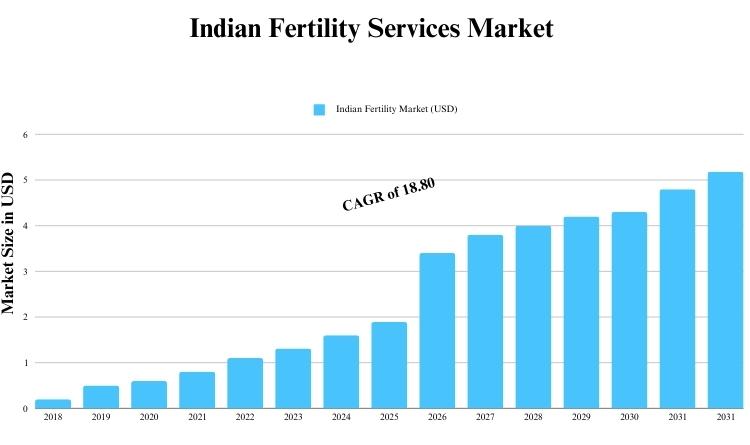
Male Infertility Treatment Cost & Growing Market Trend in India
- The cost of hormonal therapy in India ranges from INR 41,500 to INR 166,000 (approximately $500 to $ 2000) and in western nations, it could be from $ 2,000 to $ 5,000.
- Sperm retrieval techniques in India could range from $1000-3500 (INR 83,000-INR 291,500) and in the West, they could be more than $5000.
- Surgery for male infertility performed in India costs $2,000 - $5,000 (or INR 166,000 to INR 415,000), whereas surgeries of similar nature performed in the West can be much more costly.
Because of these low prices, India is a top choice for international patients wanting to achieve state-of-the-art fertility care. The treatment market is growing at a fast pace due to the advanced medical technology and low-cost treatment options from highly skilled professionals.
Best Doctors for Male Infertility Treatment in India
Here is a list of the best doctors for IVF and infertility treatment in India who have years of experience and high success rates
- Dr. Alka Kriplani: She is a gynaecologist, gyne-lap surgeon and fertility expert with 40+ years of experience.
- Dr. Erika Patel: She is a renowned infertility specialist with 16 years of experience in the field. She has successfully performed numerous fertility treatments, significantly helping couples achieve their dream of parenthood.
- Dr. Madhu Goel: She is an obstetrician-gynaecologist with 25+ years of experience.
- Dr. Sulbha Arora: She is one of India’s distinguished IVF specialists, having 26 years of experience in the medical field.
- Dr. Parul Katiyar: She is an infertility specialist and reproductive endocrinologist with more than 15 years of experience. She has been part of a team of more than 3,000 assisted conception cycles for patients.
Best Hospitals for Male Infertility Treatment in India
Here is a list of the best hospitals for male infertility with advanced treatment options and experienced doctors
- NOVA IVI Fertility, New Delhi: A leading fertility center in New Delhi known for advanced technology like LASER embryo-scope and top IVF treatments.
- ART Fertility Clinics, Mumbai: Renowned for its patient-first approach and expertise in genetics and reproductive medicine, with a focus on IVF and fertility care.
- Mediworld IVF Center and Fertility, New Delhi: High success rates in IVF treatments with over 96% pregnancy success and more than 1250 happy families.
- Apollo Fertility Centre, Anna Nagar, Chennai: A top fertility centre in Chennai offering personalised fertility treatments with over 20 years of expertise.
- World Infertility and IVF Centre, New Delhi: A multi-speciality IVF centre in New Delhi offering advanced diagnostic and treatment services for infertility.
How to Prepare for Male Infertility Treatment in India?
- Medical Records: Carry previous medical records and diagnostic test results.
- Travel Documents: Ensure passports and medical visas are up to date.
- Financial Planning: Budget for treatment, travel, and accommodations.
- Health Preparations: Follow a good diet, exercise regularly, and give up smoking or drinking.
- Support Network: Consider bringing a trusted companion for emotional support.
Vaidam Health enables the selection of the most suitable physicians, facilitates hospital appointments, and manages travel arrangements to create a smooth experience.
Start Your Journey Today: Take the First Step Toward a Healthier Future

India is a major centre for infertility treatment in men, providing state-of-the-art technology, qualified physicians, and unparalleled care at very competitive rates. Just take the first step on the path towards becoming a parent by talking to the leading experts. Consult Vaidam Health now to discuss treatment and get started on the path to a happy family.
For customised counsel, professional tips and no hassle, look to Vaidam Health. Start your parenthood journey with the best care in India today.
Frequently Asked Questions About Male Infertility Treatment in India
1. How can I choose the best hospitals for male infertility in India?
Search for clinics with high success rates, skilled physicians, and international accreditation.
2. Is male infertility treatment in India successful?
Yes, Indian centers also show high rates, with the top centers getting up to 80% success.
3. Do Indian hospitals offer counseling for male infertility?
Indeed, there is a lot of psychological and lifestyle counselling for couples undergoing treatment offered by many clinics.
4. What documents need to be submitted for male infertility treatment in India?
Clinical records, diagnostic laboratory data, and identity cards are usually required.
5. How long does male infertility treatment take in India?
The duration of treatment can range from a few weeks to months based on the treatment.

 Chat
Chat