

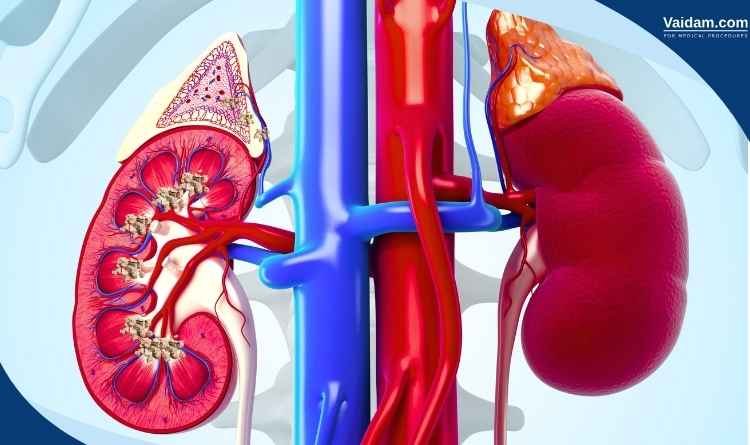
With a 12% global prevalence, kidney stones are one of the most common urological disorders. If left untreated, it often leads to fatal consequences such as kidney infection, damage, and even renal failure.
Brief Overview of Kidney Stones
Also referred to as renal calculi, nephrolithiasis, or urolithiasis, kidney stones are hard deposits that are formed inside the kidneys. They can vary in size from tiny grains to large masses and are usually composed of calcium salts and uric acid.
There are various types of kidney stones, which include:
- Calcium stones are basically salts of calcium such as oxalate and phosphate.
- Uric acid stones forms when urine is consistently acidic due to a high-protein diet intake or some genetic factors.
- Cystine stones are actually rare and often result from a genetic disorder that causes the kidneys to excrete too much cystine.
- When the person is suffering from urease bacteria-induced UTI, it leads to the formation of struvite stones.
But how exactly do certain people become prone to this painful condition? Are there specific habits, dietary choices, or genetic factors that silently increase the likelihood of stone formation in your kidneys?
Let’s discuss them in brief.
Dehydration
When the body is dehydrated, there is a reduced amount of water available to flush out waste products through urine.
As a result, the urine produced by kidneys becomes more concentrated and the body has less water to keep the minerals in dissolved state. It leads to higher concentration of minerals, such as calcium salts (such as phosphates, oxalate) , uric acid etc.
Dehydration is often a primary cause of accumulation and aggregation of minerals that leads to kidney stones.
Diet
The food you eat clearly impacts how your urine discards toxic waste from your body. Let’s have an overview.
- If you’re consuming a diet high in sodium (salt), it increases the amount of calcium in the urine (calciuria). This excess calcium can combine with oxalate or phosphate in the urine, leading to the formation of calcium stones.
- Another mineral is oxalate, and if you’re consuming food with oxalate in excess, then it combines with calcium in urine to form aggregates of calcium oxalate stones.
- While it may seem uncommon, your low calcium intake can actually increase the risk of kidney stones. Here, the calcium binds to oxalate in the intestines, which greatly reduces the absorption of oxalate into the bloodstream and its excretion in the urine.
- If you are consuming a diet high in animal proteins, then high levels of uric acid in the urine, may cause the formation of uric acid stones. Moreover, high animal protein intake also lowers citrate levels, which are a natural inhibitor of the commonly formed kidney stones.
- Are you aware that even high consumption of sugar contributes to kidney stones? Sugar such as fructose, commonly found in sugary beverages, sweets, and processed food, can increase the excretion of calcium, oxalate, and uric acid, leading to the formation of different types of stones.
- Other factors such as intake of high purine, Vitamin C supplements and alcohol raise the level of salts, contributing to kidney stones.
Genetics and Family History
If you have a family history of kidney stones, you’re more likely to develop kidney stones. Some inherited conditions like cystinuria (an excess of the amino acid cystine in urine) or hypercalciuria (excessive calcium in urine) increase the chances of developing stone.
Gender and Age
The risk of kidney stones is about 11% in men and 9% in women, indicating that men have higher chances of developing kidney stones. However, the chances of developing kidney stones increase in both males and females with age.
Urinary Tract Infections (UTIs)
Chronic urinary tract infections, particularly those caused by urease-producing bacteria, can lead to struvite stones. If left untreated, these can cause significant damage to the kidneys if not treated.
Now that we have learned about the causes, the next step is to know about how we can prevent it so let’s move to it.
Preventive Strategies for Kidney Stones
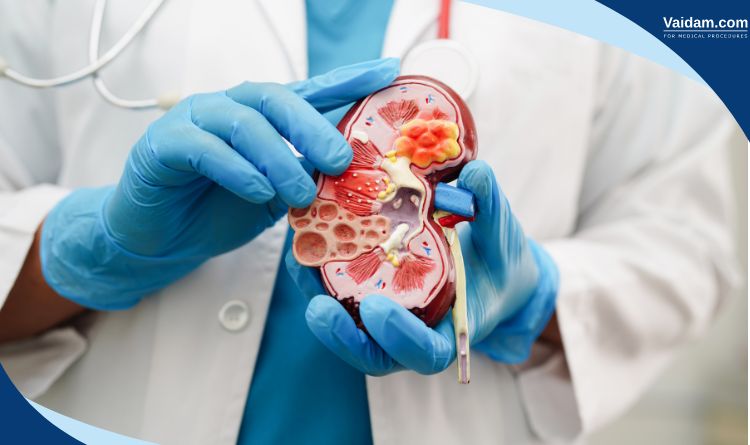
Having kidney stones is a painful experience, but the good thing is that by making certain changes in your lifestyle, you can significantly reduce the likelihood of developing these kidney stones.
Here’s a list of some common preventive strategies for kidney stones.
Stay Well-Hydrated
Now that you have learned the consequences of dehydration, you should consider drinking adequate fluids to prevent kidney stones. The quantity may vary depending on your age, body weight, and, of course, environmental temperature and daily activities.
Limit Sodium Intake
Reducing your sodium consumption can help lower calcium levels in urine, ultimately decreasing the risk of calcium-based stones. Try to avoid processed foods, canned soups, and fast foods, which are often high in sodium.
Moderate Oxalate-Rich Foods
Certain foods are high in oxalate, which, when overconsumed, can contribute to calcium oxalate stone formation. While you don’t need to eliminate these foods entirely, consuming them in moderation can be a wise idea.
Ensure Sufficient Calcium Intake
While it may seem counterintuitive, adequate calcium intake from dietary sources can actually reduce the risk of kidney stones. Calcium binds with oxalate in the intestines, preventing it from being absorbed into the bloodstream and excreted in urine.
Limit Animal Protein
A diet high in animal proteins can lead to increased uric acid levels and lower citrate levels. You can limit your animal protein and consider incorporating more plant-based proteins, which are not only healthier but also lower in purines, thereby minimising uric acid production.
Watch Sugar and Alcohol Consumption
High sugar intake, particularly fructose found in sugary drinks and processed foods, can increase the excretion of calcium and uric acid, raising the risk of stone formation. Alcohol, on the other hand, when consumed excessively, can lead to dehydration and increase uric acid levels in urine, both of which promote kidney stone formation.
Consider Vitamin C Wisely
While vitamin C is essential for overall health, excessive supplementation can increase oxalate levels, which potentially leads to calcium oxalate stones. You can consume vitamin C from regular dietary sources, such as fruits and vegetables, rather than relying on high-dose supplements and alternatives.
Maintain a Healthy Weight
It may surprise you but obesity is also linked to having an increased risk of kidney stones. It’s highly recommended that adopting a balanced diet and engaging in regular physical activity can help maintain a healthy weight.
Conventional Treatment Options for Kidney Stones
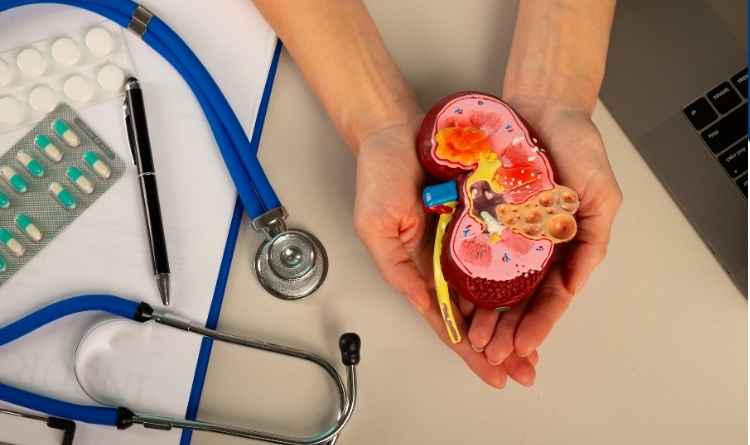
Kidney stones are not an emerging problem, and hence, some of the traditional approaches for the treatment of kidney stones include:
Pain Relievers
Since Kidney stones are associated with sharp pain, some over-the-counter pain relievers are prescribed at the primary stage to manage this pain.
Alpha-Blockers
Alpha-blockers relax the muscles of the urinary tract, thereby easing the passage of stones in the ureters. In addition to pain relief, they might hasten natural passage for stones.
Extracorporeal Shock Wave Lithotripsy (ESWL)
Being the one of the most common minimally invasive procedures for the treatment of kidney stones, it uses sound waves (shock waves) from outside the body to break down kidney stones into smaller fragments. Then, the stones can be excreted out through the urine.
ESWL is effective for stones located in the kidney or upper part of the ureter.
Ureteroscopy
A thin, flexible scope is passed through the urethra and bladder and into the ureter to visualise and either remove or break up kidney stones.
Often, fragmentation of the stones with the laser breaks them down into smaller pieces that can be retrieved or passed in the urine.
Ureteroscopy is highly effective for stones in the middle or lower ureter.
Percutaneous Nephrolithotomy (PCNL)
During PCNL, a small incision is made in the back, and a nephroscope is inserted directly into the kidney. The stone is then fragmented and removed. Often opted for larger stones, it provides immediate relief, though it does require a slightly longer recovery period than other minimally invasive methods.
Latest Innovations in Kidney Stone Management
With ongoing advancements in medical technology, kidney stone treatment options continue to evolve, offering more efficient and patient-friendly approaches.
Laser Lithotripsy
The most advanced form which uses high intensity laser beams to break down the kidney stone into tiny pieces. This way, it becomes easier for them to pass through the ureter out of the body.
This procedure is accompanied with the ureteroscopy and is highly effective for stones of any sizes and compositions. The common types include holmium laser and thulium fibre laser lithotripsy, which leads to high success rate with minimal tissue damage.
Robotic-Assisted Kidney Stone Surgeries
For stones that are too large to pass on their own via the ureter or cause severe symptoms, minimally invasive procedures can effectively treat the problem without the need for extensive surgery.
However, with greater precision, flexibility, and control during procedures, the use of robotic systems allows surgeons to perform highly delicate procedures with minimal invasiveness, leading to faster recovery times and fewer complications. It is often employed in the treatment of kidney stones embedded deep within the kidney tissue.
Countries like India, Thailand, Turkey and Germany have made significant advances in kidney stone treatment. However, it's important to consider the cost of kidney stone removal in India and other countries which is significantly affected by the treatment approach- ranging from medications to surgery.
Conclusion
Now that we have explored a lot about managing kidney stones, with a proper diet and lifestyle, you can take control of both prevention and post-treatment complications. The good news is that today's treatment options are incredibly advanced, allowing for quicker recovery and improved outcomes. With the right approach, you can not only manage kidney stones effectively but also prevent them from disrupting your life in the future.

 Chat
Chat