

Pre-Operative Assessments: A Key to Safe and Successful Surgery
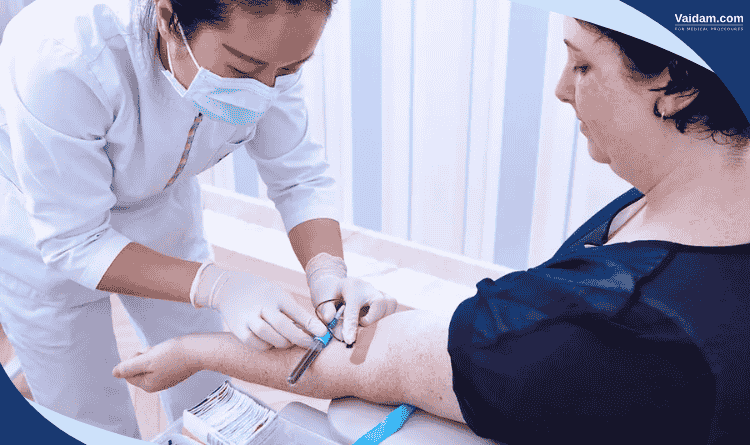
Undergoing surgery is a significant milestone for any patient. However, ensuring its success starts well before the operation. This is where pre-operative assessments play a pivotal role.
Did you know?
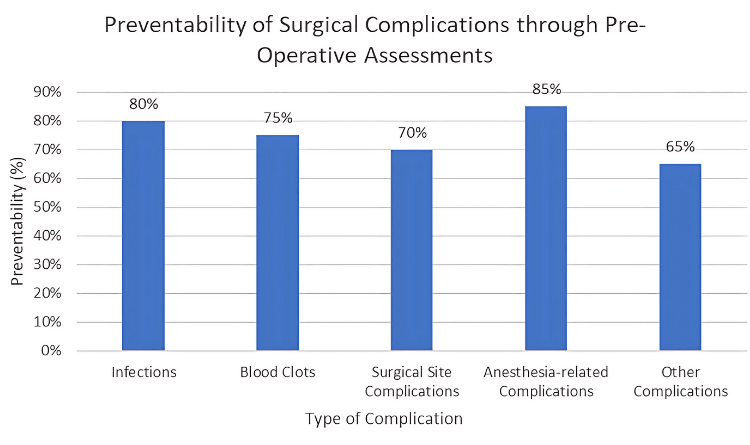
- Studies reveal that up to 60% of surgical complications are preventable with thorough pre-operative investigations and proper planning.
- A systematic pre-operative evaluation not only minimises risks but also boosts recovery outcomes.
- According to the World Health Organization (WHO), 234 million surgeries are performed annually worldwide, and robust pre-operation procedures can significantly enhance the safety of these operations.
This blog delves into the importance of pre-operative assessments, explaining why they are an indispensable step in general surgery.
What Are Pre-Operative Assessments?
A surgical preoperative assessment involves a thorough evaluation of a patient’s medical, surgical, and psychological history before undergoing any procedure. This step is critical for identifying underlying conditions that may increase the risk of complications during or after surgery.
Key components include:
- Medical history review: Chronic diseases such as diabetes, hypertension, or heart conditions are assessed.
- Physical examination: A complete examination to evaluate overall health.
- Laboratory tests: Blood tests, urinalysis, and other diagnostic tests to ensure the body can handle the stress of surgery.
- Imaging studies: X-rays, CT scans, or MRIs may be used to provide detailed insights into the surgical site.
This meticulous process allows healthcare professionals to tailor surgical plans to individual patient needs, enhancing safety and efficiency.
Why Are Pre-Operative Assessments Crucial?
Effective pre-operative assessments play a vital role in ensuring successful surgical outcomes in the following ways:
1. Risk Identification and Management
Statistics show that patients with undiagnosed medical conditions face a higher risk of complications during surgery. Preoperative screening enables medical teams to detect conditions such as anaemia, infections, or electrolyte imbalances, allowing timely intervention.
2. Tailoring Surgical Plans
Every patient is unique, and so is their health profile. A thorough pre-operative evaluation helps surgeons design tailored treatment plans, considering underlying health conditions, allergies, or previous medical history. This individualised approach significantly enhances surgical outcomes.
3. Enhancing Patient Confidence
An informed patient is a confident patient. By conducting detailed pre-operative assessments, healthcare professionals can provide clarity about what to expect during and after surgery, alleviating anxiety and fostering trust.
"Effective pre-operative assessments are essential for reducing risks and ensuring the best possible outcomes. They provide a comprehensive view of a patient’s health, helping us create a personalised approach for safer surgery and faster recovery." - Dr. Ajay Kumar Kriplani, a 46-year experienced General Surgeon.
Steps Involved in Pre-Operative Assessments
The process typically involves:
1. Initial Consultation
The process begins with an initial consultation, where the surgeon discusses the procedure, expectations, and potential risks. This phase includes:
- Reviewing medical history
- Explaining pre-operation procedures
- Planning necessary investigations
2. Comprehensive Health Evaluation
A detailed evaluation may include:
- Blood tests: To assess haemoglobin levels, blood sugar, and kidney function
- Imaging: CT scans, MRIs, or X-rays to visualise the surgical site
- Cardiac assessment: ECG or stress tests for patients with heart conditions
3. Medication and Allergy Review
Patients are asked to list all medications, supplements, and known allergies. This ensures the surgical team avoids any potential drug interactions or allergic reactions.
4. Lifestyle and Nutritional Counseling
Smoking cessation and nutritional optimisation are part of surgical preoperative assessment, improving healing and recovery outcomes. For instance, studies have shown that quitting smoking just 4 weeks before surgery reduces postoperative complications by 50%.
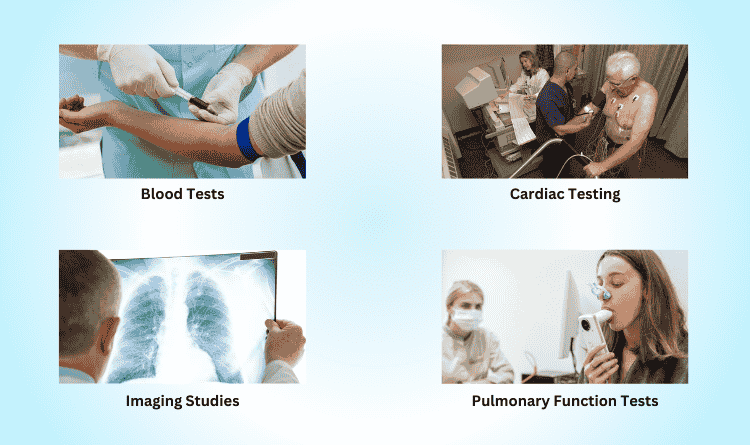
Common Pre-Operative Investigations
1. Blood Tests
- Complete Blood Count (CBC): Identifies anaemia or infections
- Coagulation Profile: Assesses clotting ability to avoid excessive bleeding
2. Imaging Studies
- X-rays or CT scans to evaluate the surgical site
- Ultrasounds for soft tissue evaluations
3. Cardiac Testing
-
ECGs and echocardiograms are standard for patients with cardiovascular concerns.
4. Pulmonary Function Tests
-
For patients with respiratory conditions, these tests ensure lung capacity is adequate for surgery.
The Role of Technology in Pre-Operative Assessments
Advances in technology have significantly enhanced the efficiency of pre-operative investigations.
1. Artificial Intelligence (AI) and Predictive Analytics
Modern advancements like AI are revolutionising preoperative screening. Predictive analytics can identify high-risk patients by analysing large datasets, enabling proactive interventions. A study in The Lancet reported that AI algorithms can predict surgical risks with up to 90% accuracy.
2. Electronic Health Records (EHR)
EHR systems streamline the pre-operative evaluation process by consolidating patient data in one place, ensuring nothing is overlooked.
3. Remote Monitoring Devices
Wearables and remote monitoring tools provide real-time data, making pre-operative investigations more precise and personalised.
Preparing for Surgery: A Checklist for Patients
Patients play a vital role in the success of pre-operative evaluations. Key responsibilities include:
- Following fasting guidelines: This prevents complications like aspiration during anaesthesia.
- Disclosing all relevant medical history: Transparency ensures no risks are overlooked.
- Adhering to pre-surgery medication schedules: Some medications may need to be stopped or adjusted.
Challenges in Pre-Operative Assessments
Despite their importance, pre-operative assessments face challenges such as:
- Time constraints: Emergency surgeries may not allow adequate time for comprehensive evaluations.
- Limited resources: In some regions, access to advanced diagnostic tools may be limited.
- Patient non-compliance: Failure to follow instructions can hinder the process.
Your Path to a Safe and Successful Surgery!
Preoperative assessments are indispensable in modern surgery. They ensure safety, optimise outcomes, and boost patient confidence. By investing time in preoperative screening, healthcare teams can significantly reduce risks and facilitate successful surgical interventions. Whether it’s a simple outpatient procedure or a complex operation, meticulous preoperative investigations and planning make all the difference.
If you’re preparing for surgery, don’t overlook the importance of surgical preoperative assessment. Consult with your healthcare provider to ensure you’re ready for a smooth, complication-free experience. Remember, a well-prepared patient is a step closer to a successful recovery!
Written by

Suryani Dutta
Vaidam Health · Updated 19 Dec 2024
Suryani Dutta is an experienced healthcare content writer with 4+ years of expertise creating evidence-based, SEO-driven content for the healthcare industry. She has developed 5,000+ healthcare content assets, including blogs, website content, doctor and hospital profiles, treatment pages, social media campaigns, and video scripts.
At Vaidam Health, Suryani creates high-quality content on advanced medical treatments, surgical procedures, hospital guides, doctor profiles, and patient education. Her work combines in-depth research with clear, reader-friendly writing to make complex medical information accessible to a global audience.
Beyond writing, Suryani contributes to content strategy, editorial planning, website optimisation, and digital healthcare campaigns. She has helped strengthen the online presence of healthcare brands by producing accurate, engaging, and search-optimised content.
Passionate about healthcare communication, Suryani is committed to creating trustworthy content that empowers patients, supports informed medical decisions, and highlights the latest advancements in global healthcare.
Outside of work, she enjoys exploring emerging medical innovations, following healthcare trends, and creating educational content that makes a meaningful impact.
Content meets the Vaidam Policy and is medically reviewed

Medically reviewed by
Dr. Ankita Wadhwa Chat
Chat