

Signs of Knee Arthritis: Recognizing Early Symptoms vs. Normal Aging
Have you ever brushed off knee pain, thinking, “It’s just because I’m getting older”? A slight stiffness in the morning, an ache after a walk, or swelling after climbing stairs often gets ignored. But what if these aren’t just “old age”? What if they’re the early symptoms of knee arthritis?
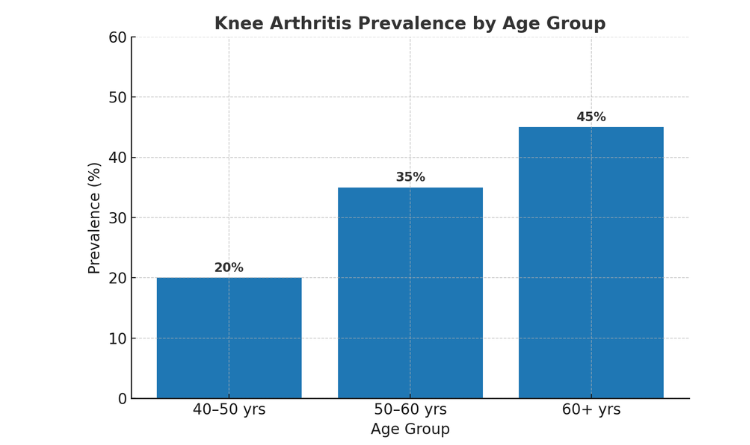
Knee arthritis is one of the most common causes of chronic knee pain, especially in adults over 40. According to the World Health Organization (WHO), 1 in 5 adults over the age of 40 experiences some form of knee arthritis, and by age 65, nearly 45% of people show X-ray evidence of osteoarthritis in the knee.
Early recognition is crucial because timely treatment can slow progression, reduce pain, and improve quality of life.
In this blog, we’ll explore the signs of knee arthritis, how it differs from natural aging, and what you can do if symptoms begin.
What is Knee Arthritis?
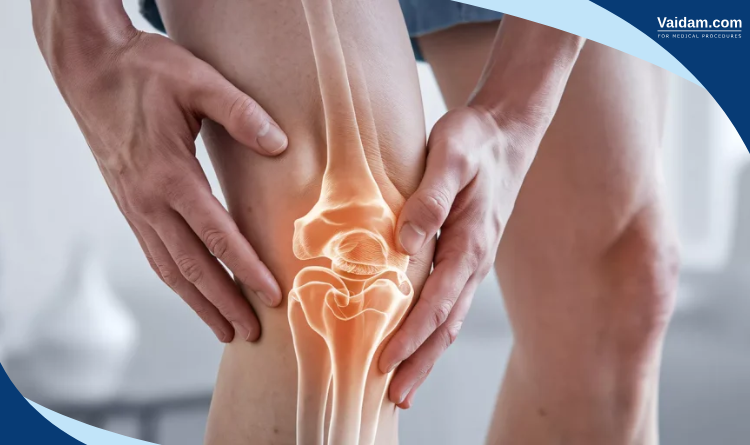
Knee arthritis occurs when the protective cartilage that cushions your knee joint wears down, leading to pain, stiffness, and difficulty moving. Because the knee carries most of your body weight, even minor damage can feel like a big problem.
The two most common types are:
- Osteoarthritis (OA) – A “wear-and-tear” condition, more common with age, obesity, or previous injury.
- Rheumatoid Arthritis (RA) – An autoimmune condition that causes inflammation in the joints.
While osteoarthritis is the leading cause of knee arthritis in older adults, it’s not just about age. Genetics, weight, injury, and lifestyle all play a role.
Normal Aging vs. Arthritis: What’s the Difference?
Is it arthritis, or just getting older? Knowing the difference helps you act before it’s too late.
|
Feature |
Normal Aging |
Knee Arthritis |
|
Pain |
Mild, occasional after exertion |
Persistent, worsening with time |
|
Stiffness |
Temporary after rest |
Lasts longer, esp. in mornings |
|
Swelling |
Rare |
Frequent and recurrent |
|
Mobility |
Slight slowdown |
Noticeable loss of flexibility |
|
Progression |
Gradual, minor |
Progressively disabling |
The key difference is that with normal aging, discomfort is occasional and manageable. With arthritis, symptoms persist, worsen, and interfere with daily activities.
Early Symptoms of Knee Arthritis You Shouldn’t Ignore
Spotting arthritis early can save years of suffering. Here are the most common early symptoms:
- Persistent Knee Pain – Felt deep in the joint, worse with activity or after long sitting.
- Morning Stiffness – Lasting more than 30 minutes after waking.
- Swelling & Inflammation – Knees appear swollen, warm, or tender.
- Reduced Flexibility – Difficulty squatting, bending, or climbing stairs.
- Grinding/Cracking Sounds – A “grating” sensation when moving.
- Knee Instability – Feeling like your knee might “give out.”
- Weather-Linked Pain – Many patients feel worse in cold or damp weather.
If you notice 2–3 of these symptoms regularly, don’t delay, consult a doctor for a check-up.
Risk Factors That Increase the Chances of Knee Arthritis
Recognizing symptoms is essential, but so is knowing if you’re at risk. Common risk factors include:
- Age: Over 40 is a higher risk, but younger people can develop arthritis after injury.
- Obesity: Extra weight increases stress on the knees.
- Family History: Genetics can predispose you to arthritis.
- Gender: Women are more prone after age 50.
- Previous Knee Injury: Sports injuries or accidents accelerate cartilage wear.
- Occupation: Jobs that involve heavy lifting, kneeling, or squatting increase risk.
If multiple risk factors apply to you, watch out for symptoms; prevention and early management are key.
How is Knee Arthritis Diagnosed?
If you suspect knee arthritis, only a proper diagnosis can confirm it. Tests used to identify the condition are:
- Physical Examination: Checking tenderness, swelling, and range of motion.
- X-rays: To detect cartilage loss, bone spurs, or joint space narrowing.
- MRI: For a detailed look at soft tissues.
- Blood Tests: Especially for rheumatoid arthritis, to identify inflammation markers.
Living With Knee Arthritis: Management and Treatment
Early diagnosis doesn’t mean lifelong suffering. With proper care, many patients continue active, fulfilling lives.
Lifestyle Modifications
- Weight Management: Losing even 5–10 kg can significantly reduce pain.
- Exercise: Low-impact activities like swimming, cycling, and yoga keep joints flexible.
- Diet: Anti-inflammatory foods (omega-3s, turmeric, green vegetables) can help.
Medical Treatments
- Medications: NSAIDs for pain, corticosteroid injections for inflammation.
- Physical Therapy: Strengthens muscles around the knee, improves mobility.
- Braces or Supports: Provide stability and reduce strain.
Surgical Options (For Advanced Cases)
- Arthroscopy: Minimally invasive cleaning of damaged cartilage.
- Partial Knee Replacement: For localized arthritis.
- Total Knee Replacement: For severe, widespread damage.
With the right mix of lifestyle changes, medical care, and, if needed, surgery, arthritis can be managed effectively without letting it control your life.
Why Early Recognition is Crucial
Ignoring arthritis symptoms can lead to:
- Severe joint deformity
- Disability and loss of independence
- Need for major surgery earlier in life
Early intervention slows progression. This means less pain, fewer medications, and possibly avoiding surgery altogether.
Final Thoughts
Knee pain is not always “just old age.” The early symptoms of knee arthritis, i.e., persistent pain, stiffness, swelling, and reduced flexibility, should never be ignored. Recognizing these signs early allows timely intervention, which can significantly improve quality of life.
Whether it’s through lifestyle changes, medication, or surgery, early diagnosis empowers you to stay active, mobile, and pain-free.
So, the next time you or a loved one complains of knee pain, don’t brush it aside as aging. It may be arthritis knocking early, and the sooner you open the door to treatment, the better your knees will thank you.
Written by

Shraddha Singh
Vaidam Health · Updated 18 Aug 2025
Shraddha Singh, a Biotechnology graduate, is a skilled content writer known for her well-researched, high-quality content. She simplifies complex topics, making them clear and engaging for readers. With expertise in technical writing, blogs, and SEO-driven content, she delivers informative and user-friendly content.
 Chat
Chat