

Treatment of Nose Bleed in India
What Is Epistaxis
It is a medical term used for nosebleed or bleeding from the nose. It is a very common complaint which is caused due to the bursting of a blood vessel within the nose, this can be spontaneous or caused by trauma. It is hardly ever life threatening but it can cause significant anxiety, mostly among parents& kids. Most of the cases of nose bleeding are benign, self-limiting, and spontaneous, but some can be recurrent.
FORM_CODE
Overview of nose
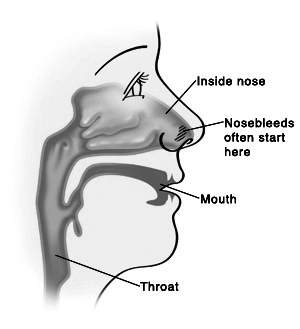
Nasal cavity lies sandwiched between the base of the brain (skull base) and above the oral cavity and palate below. Nose is lined with a number of blood vessels, which make them extremely vascular . Function of the nose is to warm and humidify the air that we breathe in. Nose can be divided into
-
External nose
-
Internal nose
The internal nose is richly supplied by blood vessels. Main bleeding sites are:-
-
Little's area - bleeding occurs anteriorly.
-
Woodruff's plexus- bleeding is from posterior part of nose through the mouth.
-
Retrocolumellar vein.
Types of epistaxis
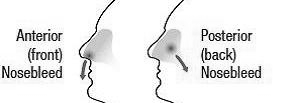
It is of two types, based on the site of bleeding:
-
Anterior -(In front of the nose )this is most common in occurrence but it is not very serious. Blood is seen oozing out from the nostril
-
Posterior -(At the back of the nose ) more serious than anterior epistaxis. Blood oozes out down at the back of the throat .
Causes of epistaxis
Causes of epistaxis can be divided into
-
local causes
-
systemic causes
-
idiopathic (unknown) cause
SIGNS AND SYMPTOMS
If there is an anterior nosebleed then blood is usually seen running out of the nose. In this case:
> If the area of bleeding is close to the nostril: Then bright red blood can be seen.
> If the area of bleeding is deeper in the nose: the blood is mostly dark red.
> If a large amount of blood is lost then the patient can experience following symptoms :
-
Dizziness
-
Rapid heartbeat
-
Shortness of breath
DIAGNOSIS
Diagnosis is based on
-
Detailed patient history, about any bleeding tendencies running in the family.
-
Any history of hypertension or trauma to the nose.
-
Physical examination-It includes complete nose examination along with other systems indicated by the history given by the patient.
TREATMENT
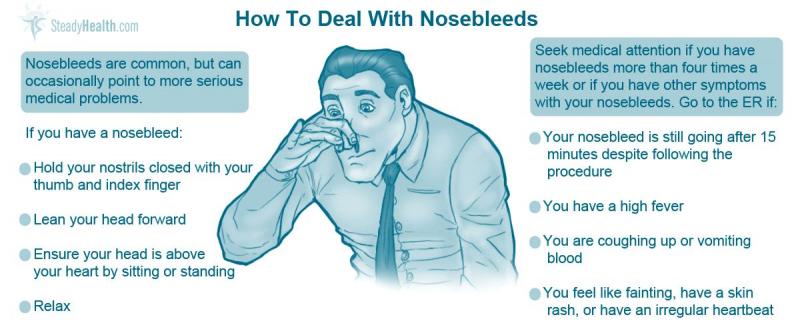
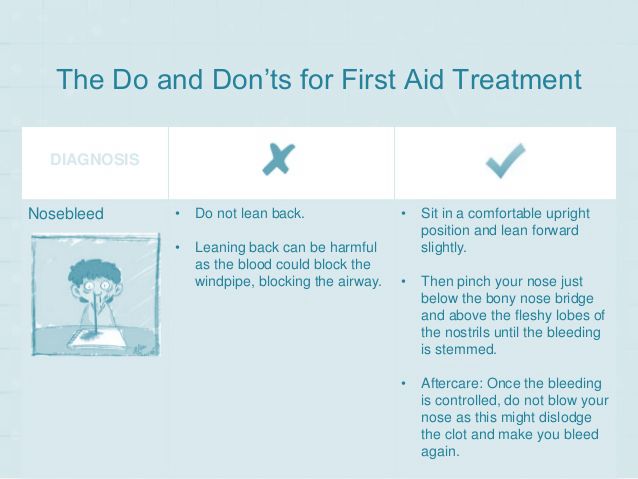
Direct pressure is mostly effective for stopping epistaxis by applying pressure to the front of the nose. The treatment includes:-
General measures taken during epistaxis are
-
Make the patient sit up with a back rest ,and record any blood loss taking place through spitting and vomiting
-
Reassure the patient
-
Mild sedation should be given
-
Keep check on pulse, b.p and respiration
-
Maintain hemodynamic
-
Blood transfusion may be required
-
Antibiotics maybe given to prevent sinusitis, pack is to be kept beyond 24hrs
-
Intermittent oxygen maybe required in patients with bilateral packs
-
Investigate and treat for any under lying local or general cause
Emergency care
If bleeding does not stop after 20-30 minutes, call the physician or go to the emergency room for evaluation
-
Reassure the patient
-
Cauterization : It is done in anterior type of epistaxis where the bleeding point is seen.
-
Nasal packing : is either anterior nasal pack or posterior nasal pack.
-
Endoscopic cauterization
-
Sub mucous resection operation
-
Ligation of vessels - in severe cases where bleeding does not stop.
-
External carotid
-
Maxillary artery
Prevention Of Epistaxis
The following tips may help reduce the risk for developing nosebleeds.
-
Put saline water drops in the nose
-
Avoid forceful blowing of nose
-
Do not pick the nose or put finger in the nose to remove the crust
-
Avoid lifting or straining after nosebleed.
-
Keep BP under control
-
Don't smoke
-
Humidify the room
-
Breathe cooler air
-
Apply a thin layer of saline or water based nasal gel
-
Use only prescribed medecines
Frequently Asked Questions
> Can nosebleed cause anemia?
Yes, if nosebleeds are frequent.
> Are nosebleed life threatening?
Mostly not, but sometimes posterior epistaxis can be underestimated.
> Is epistaxis completely curable?
Yes if the cause is known.
REFERENCES
-
http://www.medindia.net/patients/patientinfo/nosebleed-faq.htm
-
emedicine.medscape.com › article › 805...
-
www.emedicinehealth.com › page2_em
Written by
Swapna Sachdev
Vaidam Health · Updated 25 Sept 2026
Content meets the Vaidam Policy and is medically reviewed

Medically reviewed by
Dr. Bhawana Mittal Chat
Chat