

Cost of Colon Cancer Treatment in Germany
Cancer of the large intestine is known as Colon Cancer. The colon is the last part of the digestive tract. Old age people are more susceptible to colon cancer.
It develops as a polyp or benign non-cancerous lump that grows into cancer.
Regular screening is advised to detect these polyps and remove them before developing further into cancerous growth.
Initial signs and symptoms may comprise blood in the stool, repeated changes in bowel habits, undefined weight loss, and a feeling that the bowel isn't completely empty.
For the treatment of colon cancer, we have many options. Surgery is required in the initial stage based on the cancer's location. It can be a Polypectomy, Endoscopic Mucosal Resection, or Laparoscopic removal of polyps.
However, in advanced cases, Partial Colectomy with lymph node dissection and sometimes an ostomy is done where a passage is created for passing stool.
Later on, Chemotherapy, Radiation therapy, Targeted Drug Therapy, and Immunotherapy are used as adjuvant treatments.
Palliative care is essential as the body has to accommodate after surgery.
Our Services for Colon Cancer Treatment in Germany
Transparent, professional support—without the hassles.
Book Doctor Appointment
Choose a specialist and schedule a convenient consultation.
Video or In-person Consultation
Consult remotely or meet your doctor directly at the hospital.
Compare Cost Estimates
Review transparent estimates from suitable hospitals.
Hospitalisation Support
Get coordinated assistance throughout your hospital stay.
 WhatsApp Us
Top Doctors in Germany
Recommended Doctors for Colon Cancer Treatment


Prof. Dr. Helmut Friess
Senior Consultant
General SurgeonUniversity Hospital Rechts der Isar













Top Hospitals in Germany
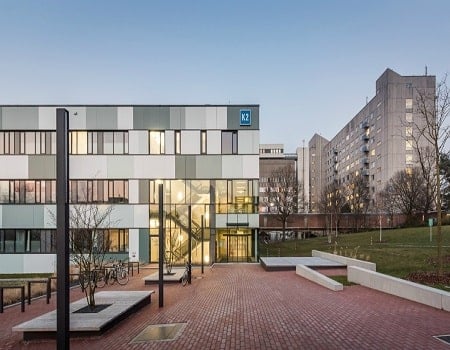
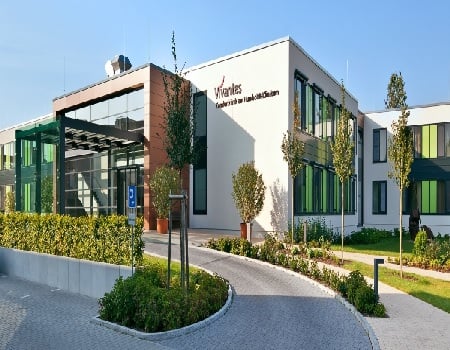
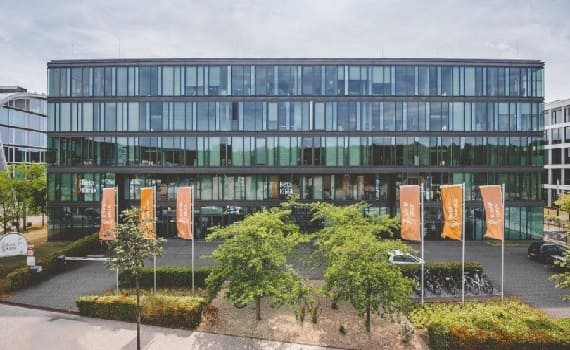
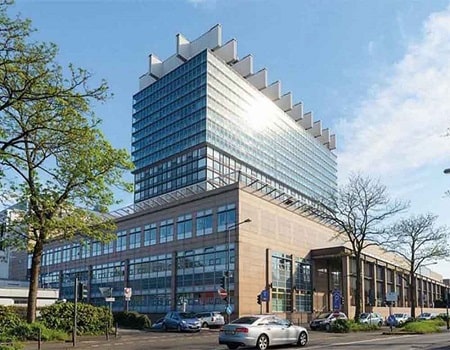
Recommended Hospitals for Colon Cancer Treatment










Inclusions in the package
The cost of Colon Cancer includes:
-
Preoperative diagnostic tests cost may include [Colonoscopy, blood test for tumour marker CEA ( carcinoembryonic antigen), Biopsy, Ultrasound, or X-ray.]
-
Surgery cost (Depends upon the type and size of the tumour and the extent to which the tumour has spread)
-
Type of surgery (Cryosurgery, Laser surgery, Electrosurgery, and Microscopically controlled surgery)
-
Post-Operative cost (there might be a need for chemotherapy or radiotherapy before or post-surgery)
-
Medicines
-
Patient's hospital stay
Factors affecting cost of Colon Cancer Treatment
The overall cost of the procedure also varies based on the patient's condition and preferences. Some of these factors are:
-
Type of hospital and room opted (General, Twin sharing, or single room)
-
The stage and type of cancer
-
Patients may require repeated investigation through PET CT and related tests Post-surgery / Chemotherapy / Radiation Therapy
-
Any additional tests may be required to know the status of the disease during the course of treatment
-
An extended stay at the Hospital
-
Cost of accommodation during follow-ups, in case the patient is not a local resident [may take longer duration in case of chemotherapy or radiotherapy sessions]
Success Rate
The five-year survival rate for localized Colon Cancer is around 90%, but in cases of metastasis, it is 63%.
The contribution of regular screening is relatively high in reducing the death rate and early diagnosis.
Frequently Asked Questions Related to Colon Cancer Treatment Cost
To diagnose colon cancer, a colonoscopy is done to examine the inside of your colon. Blood Tests can not determine if you have colon cancer, but it gives insight into your overall health, such as liver and kidney function tests. The package typically doesn’t include the cost of these tests.
Colon cancer can be treated utilizing drugs, which can be given directly into the bloodstream or orally. These medicines are not covered in the package.
Chemotherapy may also be used after surgery (called adjuvant treatment) for about 6 months or depending on the severity of the cancer. After completing treatment for colorectal cancer, you should still see your doctor regularly to look for signs cancer has come back or spread. Doctor visitation or other procedures done are not covered in the treatment plan. After surgery, colonoscopies are performed every 3 to 6 months for 3 years.
Expect to stay in the hospital for 4 to 5 days after surgery, the cost of the stay is generally included in your package.
Though most health insurance plans available cover Colon Cancer, some guidelines typically pay only for inpatient hospitalization and treatment at hospitals. They do not cover the entire cost of treatment. Please check with your provider before selecting a treatment plan.
A comprehensive treatment plan for colorectal cancer may include a range of complementary and alternative therapies including Acupuncture, herbal medicine, homeopathy, use of vitamins/minerals, medicinal teas, and lastly relaxation techniques.
Everything You Need to Know About Colon Cancer Treatment: Q&A
Before the Procedure · 10 Questions
Polyps are often non-cancerous growths, but some can develop into cancer. Removing polyps can not only prevent colorectal cancer, but also reduce deaths from the disease for years, according to a new study.
No polyps cannot fall or cure on its own. They turn cancerous if left untreated
Most polyps are protusions in th elining of the intestine. Surgery is recommend after the disease is is dectected in the age group 50 to 75 yrs. Screening of colon cancer is done at this age.
Generally you are required to stay in the hospital for 3 to 4 days
Colon cancer is the type of cancer which starts in the colon or rectum. This cancer is being found in the tissues of the colon.
Signs and symptoms of colon cancer includes diarrhoea or constipation, changes in stool consistency, blood in stool, bright red bleeding from rectum, abdominal pain, cramping, bloating, weakness, unexplained weight loss, iron deficiency anemia and irritable bowel syndrome.
With screening you can find colon cancer at an earlier stage. With regular screening colon can be prevented, because a small polyp will take around 10 to 15 years before they will develop into cancer.
Some of the signs and symptoms of colon cancer includes rectal bleeding, fatigue, abdominal pain and unintentional weight loss.
Colon cancer should be detected early at an age of 50 but there is an increased risk in those people who have family history of colon cancer.
Some of the risk factors of colon cancer includes lack of regular physical activity, diet low in fruits and vegetables, low-fiber diet, overweight and obesity, alcohol and tobacco use.
During the Procedure · 9 Questions
The surgery normally takes 1 to 4 hours
Yes, colon cancer can be treated when it is being localized to the bowel. In most of the treatment option surgery is the only option
Yes, colon cancer can be treated using drugs which can either be given orally or directly in the blood stream. They are referred to as systematic treatment because they can directly reach the cancer cells almost all the body.
Colon cancer can be treated at stage three but there are only 40 percent chances of getting cure. Chemotherapy is being given after surgery in different stages of two, three and four because it has been shown to increase the survival rate.
Surgical resection is the treatment choice of colon cancer this surgery is usually done in removing the cancer completely throughout the surgery. Surgery is being done to remove the cancer completely and in reconstructing the bowel.
Surgery is the removal of the tumor and some surrounding healthy tissue during an operation. It is often called surgical resection. This is the most common treatment for colorectal cancer. In surgery the part of healthy colon or rectum and the nearby lymph nodes are also removed.
In laproscopic treatment, laproscopes are being passed into the abdomen region when the patient is under anaesthesia. The incision made in the surgery are smaller and the recovery time is short than the standard colon surgery.
When colon cancer spreads it will also spread to the lungs, brain, peritoneum (the lining of the abdominal cavity) and to the distant lymph nodes. If colon cancer has spread to nearby lymph nodes but not to other parts of the body, surgery may be used followed by chemotherapy. When the disease has spread to distant sites, chemotherapy may be used as the primary treatment, especially if surgery is unlikely to cure the cancer. If the disease has spread in the form of a small number of distant tumors, surgery may be used to help cure the disease or extend the patient’s lifespan.
Polyps are being removed safely during cancer treatment, some of the very large polyps are also remove without surgery by using a endoscope. If you have got large polyps then polypectomy is being used in removing polyps.
Post the Procedure · 5 Questions
Be careful to avoid strenuous activity such as heavy exercise or lifting anything more than 20 pounds until you feel well, and your doctor gives his or her approval. Also, avoid taking baths or using hot tubs and swimming pools until your incisions have fully healed
Normally pain killers are given for 2 to 4 weeks after the procedure
Follow-up visits for are usually scheduled every 3 to 6 months for the first 3 years and then every 6 months for the next 2 years. People treated for early stage cancer may be seen less often.
You can resume your daily chores on going home but you need to avoid strenous exercised and lifts.After 1 to 2 weeks, you may be able to get back to most of your normal routine, such as walking and working.
Most recurrences will occur within 2 years of surgery and 90% by 5 years.
 Chat
Chat