

What is the cost of Acute Myeloid Leukaemia Treatment in India?
Myeloid cells are one of the lineages of haematopoietic (blood-forming) stem cells. They develop in the bone marrow and mature into diverse blood cell types like basophils, eosinophils, erythrocytes, macrophages, platelets, etc. Sometimes, due to some genetic defect, they start increasing uncontrollably without any specific differentiation, leading to the formation of defective cells called myeloblasts.
This condition is known as acute myeloid leukaemia (AML), the most common type of blood cancer in India, with an annual incidence of 2-3 per 100,000 people.
The average cost of acute myeloid leukaemia treatment in India ranges between INR 5,00,000 and INR 20,00,000 for Indian patients. For international patients, the cost ranges between USD 8500 and USD 33500. This cost includes doctor’s fees, anaesthesia charges, OT charges, medical consumables, and hospital stays for 6-8 days.
What is Acute Myeloid Leukaemia?
Myeloid and lymphoid cells are blood-forming stem cells, present in the bone marrow. These cells are precursors of other blood cells and are referred to as blast cells- myeloblast and lymphoblast, respectively.
In healthy bone marrow, the blast cells are present in only 1-2%. However, due to some genetic defects (mutation), this may rise to 20% in the bone marrow. This leads to acute myeloid leukaemia (AML), where abnormal blast cells fail to differentiate appropriately.
Normally, blast cells mature into white blood cells, red blood cells, and platelets. Due to abnormality caused during AML, there is a significant reduction in their numbers. Moreover, these abnormal blast cells accumulate and start replacing healthy cells as well. Since this genetic defect can occur spontaneously, the risk factors triggering AML are listed below.
Exposure to harmful radiation
Smoking cigarettes
Exposure to carcinogenic (cancer-causing agents)
Pre-existing genetic defect by birth
In most patients, multiple gene defects lead to AML, which, of course, can’t be determined unless some visible symptoms are noticed. The symptoms may differ from person to person, but some common symptoms associated with the disorder are listed below.
Bleeding
Random bruising
Recurrent fever
Frequent infections
Weakness and fatigue
Shortness of breath
Blurred vision and dizziness
Swollen gums, lymph nodes, liver, or spleen
Increased duration of healing of wounds
When various diagnostic lab tests confirm these symptoms, doctors strategically plan the treatment approach based on the patient’s health status and needs.
Our Services for Acute Myeloid Leukemia (AML) Treatment in India
Transparent, professional support—without the hassles.
Book Doctor Appointment
Choose a specialist and schedule a convenient consultation.
Video or In-person Consultation
Consult remotely or meet your doctor directly at the hospital.
Compare Cost Estimates
Review transparent estimates from suitable hospitals.
Hospitalisation Support
Get coordinated assistance throughout your hospital stay.
 WhatsApp Us
What are the Types of Acute Myeloid Leukaemia Treatment?
As soon as acute myeloid leukaemia (AML) is confirmed, doctors assign a risk status to the patient and look for any sign of its spread to other parts of the body. Then, they consider a comprehensive approach to plan out the treatment. The therapies involved in the treatment of AML are:
Chemotherapy
This therapy involves cytotoxic drugs and their combination, which targets rapidly dividing cancer cells. The drugs circulate throughout the body to inhibit cancer cell proliferation and tumour multiplication.
Bone Marrow Transplant
Patients diagnosed with acute myeloid leukaemia may undergo a stem cell transplant. This technique aims to replace defective cells with healthy bone marrow, subsequently diminishing the complications associated with the disease. Based on the type of donor, stem cell transplant can be categorised into:
Autologous Hematopoietic Stem Cell Transplant
In this transplant, the patient's stem cells are collected before undergoing chemotherapy or other conditioning treatments. In the lab, any remnant of cancer cells in the sample is killed by a process known as purging. Then, it is injected into the body to replace the diseased bone marrow.
This is usually a preferred method for patients with AML at the remission stage and who don't have a matched donor for an allogeneic transplant.
Allogeneic Hematopoietic Stem Cell Transplant
In this transplant, the donor of healthy stem cells is typically a matched sibling or unrelated donor.
This focuses on replacing the patient's diseased bone marrow with healthy donor cells, which further produce normal blood cells.
This type of transplant carries risks, including graft-versus-host disease (GVHD), graft rejection, infections, and other complications.
The therapies performed to treat AML can be categorised into three phases: Induction therapy, post-remission therapy, and maintenance.
Induction therapy
This therapy is a preliminary approach to the treatment of AML. The doctors infuse therapeutic drugs at regular intervals of time to restore normal bone marrow function, which ensures-
Management of disease-related signs and symptoms
Minimising bone marrow blasts to <5%
Reduction in the number of circulating blasts
Restoring peripheral blood cell counts.
This is referred to as complete remission, focusing on managing patients' health.
Post remission therapy
This is also referred to as consolidation therapy. Even after induction therapy, there are high chances of AML recurrence. The goal of consolidation therapy is to continue remission of AML. It lowers the number of residual Leukaemia cells in the body or eliminates them entirely to help prevent the leukaemia from returning. Without additional therapy, the leukaemia is likely to relapse within weeks or months.
Maintenance
This is a long-term approach that ensures that AML doesn't come back. After intensive chemotherapy is over, less toxic therapy is performed to prevent relapse.
What are the Key Factors That Affect the Acute Myeloid Leukaemia Treatment Cost in India?
Since AML treatment is a lengthy procedure, it's crucial to stay informed of the factors that may significantly impact the overall cost of AML treatment in India. Some of the cost affecting factors are discussed below.
Treatment approach and intensity
The type and intensity of treatment procedure recommended for AML can significantly impact the cost of AML treatment in India. This is influenced by the specific drug used for chemotherapy and immunotherapy, the duration of treatment cycles, the need for targeted therapy or stem cell transplantation, and whether the patient requires intensive care or supportive treatments during and after the treatment.
Hospital facility and doctor's experience
The choice of hospital or medical facility for the treatment may vary in terms of infrastructure, expertise of healthcare professionals, and amenities such as catering services provided. This may impact the treatment cost and hence should not be overlooked.
Type of donor in bone marrow transplant
In critical cases where the combination of chemotherapies is not sufficient to kill cancer cells, doctors may suggest a bone marrow transplant. Haematologists' choice of transplant depends on disease severity, availability of a compatible donor, patient age and health status, and the risks and benefits associated with each approach.
Type of BMT | INR (Min-Max) | USD (Min-Max) |
|---|---|---|
Autologous BMT | 8,75,000 - 12,00,000 | 15,000 - 20,000 |
Allogeneic BMT | 15,00,000 - 18,00,000 | 25,000 - 30,000 |
Duration of treatment
AML has historically been treated with chemotherapy and hematopoietic stem cell transplantation. Patient response to these treatments can vary based on the severity of the cancer, with some individuals achieving early reactions. In contrast, others may require additional treatment cycles to control the disease effectively. These factors significantly influence the duration of treatment and consequently affect treatment costs.
Additional stay at hospital/ICU
In certain medical situations, patients may require extended hospitalisation or ICU stays for post-operative care. Thus, the additional hospital stay costs around INR 12,000 and INR 20,000 for Indian patients. For international patients, it may cost around USD 200 to USD 300 on a per-day basis.
From financial aspects, considering these factors become essential as they influence how acute myeloid leukaemia treatment should be treated and managed.
What are Pre-treatment and Post-treatment Expenses in Acute Myeloid Leukaemia Treatment?
Once doctors detect symptoms of acute myeloid Leukaemia (AML), they ask some diagnostic questions related to the patient's family history or any possible exposure to toxic agents.
Blood tests, lumbar puncture, and CT scans are performed to examine the spread of cancerous cells. Based on that, appropriate therapies, such as chemotherapy or targeted treatments, are selected. The patient must consider these additional costs.
Pre-treatment examination cost (complete blood count, bone marrow biopsy, cytogenetic analysis, molecular testing, bone imaging studies, serum and urine protein electrophoresis, urine immunofixation, etc.): INR 50,000 to INR 80,000 (USD 1000 to USD 1500)
Post-treatment cost for initial 2 months (bone marrow biopsy, follow-up consultations and medications): INR 60,000 to INR 70,000 (USD 1000 to USD 1200)
What should be Post-treatment Care after Acute Myeloid Leukaemia treatment?
In acute myeloid leukaemia (AML), where the risk of recurrence after treatment is higher, effective management following treatment becomes crucial. Some lifestyle changes and additional care may elevate the chances of survival of AML patients, which are as follows:
Adopting healthy lifestyle
Patients who have recovered from AML usually face severe anaemia due to the destruction of blood cells. During the recovery period, it's highly recommended to maintain a healthy lifestyle to ensure faster recovery. Some of these can be followed:
Consume a healthy diet and nutritious food
Take a good amount of sleep
Stop drinking alcohol
Quit smoking
Stay physically active
Avoid exposure to carcinogens
Long term follow-up
After the treatment, it is crucial to watch for any signs or symptoms that could indicate a recurrence of leukaemia. This involves a thorough physical examination and often includes blood tests to check for abnormal levels of white blood cells, blasts, or other indicators that leukaemia cells may be present again. It can be done by regularly consulting your doctor and informing you about any unusual change immediately.
Does Insurance Cover Acute Myeloid Leukaemia Treatment in India?
In India, basic health insurance policies typically don’t cover the comprehensive blood cancer treatment plan. However, an additional cancer insurance plan is designed to fill this gap. It covers hospitalisation expenses, including room charges, surgical costs, medication expenses (including chemotherapy and other prescribed drugs), diagnostic tests, and sometimes even stem cell therapies, providing you with the necessary financial protection during your treatment.
When your doctor recommends any treatment for AML, your next step is to submit your doctor's prescription, investigation reports, and hospital admission papers to the insurance agency along with your policy papers. The insurance company will evaluate whether your claim meets the eligibility criteria and collaborate with the hospital to ensure that your medical expenses are covered in accordance with the terms of your policy.
Hence, it's also crucial to understand the insurance's coverage scope and associated hospital network. Otherwise, you may need to bear the remaining costs at your responsibility or may opt for some alternative financial sources.
Top Doctors in India
Recommended Doctors for Acute Myeloid Leukemia (AML) Treatment















Top Hospitals in India
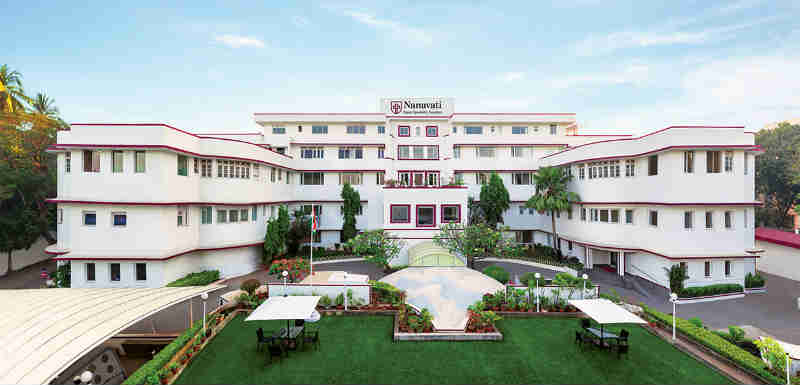
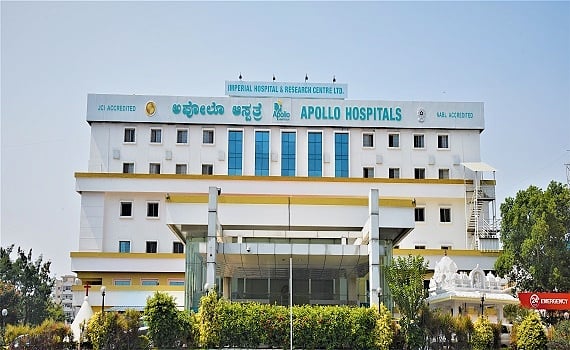
Recommended Hospitals for Acute Myeloid Leukemia (AML) Treatment



 Chat
Chat