

Cancer treatment has indeed seen a complete transformation over the years. The disease, which had been once regarded to be quite terrifying and impossible to be tackled, especially towards the last stages of this disease is now being approached with the latest medical innovations.
Many nations, such as the USA, the U.K., China, Japan, India, etc., have joined hands to take this disease under control.
Stage 4 Cancer Treatment in Germany
When we discuss advanced medical technologies, Germany emerges as a leading destination for cancer care.
-
Over 52,000 international patients visit Germany every year, seeking treatment for stage 4 cancer.
-
With hospitals having the latest diagnostic and treatment facilities and top-tier cancer doctors, Germany has become a preferred destination for patients looking for the latest stage 4 cancer treatment.
-
Whether it is about traditional therapies for stage 4 cancer cases like chemotherapy, radiotherapy and immunotherapy or revolutionary treatment options like Hyperthermic Intraperitoneal Chemotherapy (HIPEC), CAR T-cell therapy, Dendritic Cell Therapy (DCT), Transarterial chemoembolisation (TACE), Lu-177 PSMA therapy (Pluvicto) and Biological Immunotherapy, patients in Germany are offered with a wide range of precise treatments like never before.
This comprehensive guide will inform you about the best treatment available for stage 4 cancer treatment in Germany and focus on why the country is a top destination for cancer care.
The integration of immunotherapy and targeted treatments in Stage 4 cancer patients in Germany has shown remarkable promise. Our recent studies indicate that personalized medicine can lead to improved outcomes, even in advanced stages of cancer. The future lies in understanding each patient's unique tumour biology.
Dr. Anna Müller, Oncologist at the Charité Berlin
What is Stage 4 Cancer?
Stage 4 cancer, or metastatic cancer, is considered the most advanced form, characterised by the spread of cancer beyond the primary tumour to distant organs and lymph nodes.
In many countries, treatment at this stage often focuses on controlling the progression of the disease, managing cancer symptoms, and enhancing the patient’s health condition.
However, as mentioned previously, in Germany, the focus on many types of cancers, let’s say, prostate cancer, colon cancer, breast cancer, and others—remains curative.
The best doctors in Germany, specialising in cancer, are continuously doing research, and with respect to the advancement of treatment options, they have reached an unprecedented level of success.
One of its prime examples is the development of Lu-177 PSMA therapy.
-
It has been approved by the FDA under the name PLUVICTO for the treatment of prostate cancer.
-
This innovative therapy has shown exceptional results, significantly increasing survival rates and reducing PSA levels in over 85% of patients who no longer respond to conventional therapies.
Standard Approaches for Treating Stage 4 Cancer
Treatment of stage 4 cancer requires a comprehensive approach, which depends on the type of cancer and how much it has spread. Some of these approaches often include:
-
Conventional chemotherapy
-
Radiotherapy
-
Hormonal therapy
-
Targeted therapy
-
Immunotherapy
By incorporating high-quality drugs known for their proven efficacy, combined with advanced techniques and personalised care, the cancer specialists in Germany ensure the best possible outcomes.
For instance, patients requiring radiotherapy could be more benefited by incorporating CyberKnife and Intensity-Modulated Radiation Therapy (IMRT). With these, tumours can be precisely targeted, thus reducing pain and minimising damage to surrounding healthy tissues.
Additionally, palliative care is integrated into the treatment plan to manage symptoms such as pain and fatigue, ensuring comprehensive support alongside curative efforts.
Advanced Treatment Options for Stage 4 Cancer in Germany
With dedicated cancer specialists working to improve the treatment approaches, Germany provides therapies that you might not find anywhere else or that aren’t commonly used in the treatment of the cancer.
For example, in most countries, Transarterial Chemoembolization (TACE) is primarily used for the treatment of Hepatocellular carcinoma, a malignant type of liver cancer. However, under the expertise of specialists like Prof. Dr. med. Thomas J. Vogl, TACE in Germany is being offered metastatic and non-resectable cancers.
The best part is that this approach not only helps avoid the need for surgery but also reduces the risks and complications associated with conventional treatments.
Innovative Treatment Approaches in Germany
Hyperthermic Intraperitoneal Chemotherapy (HIPEC)
HIPEC is an advanced treatment that combines Cytoreductive Surgery (CRS), with heated chemotherapy, that is delivered directly into the abdominal cavity.
By targeting cancer cells with heated chemotherapy, HIPEC can destroy microscopic cancer cells more effectively than systemic chemotherapy.
It is typically used in cases of peritoneal carcinomatosis, where cancer has spread to the lining of the abdominal cavity.
HIPEC is most commonly applied for colorectal cancer, appendiceal cancer, ovarian cancer, gastric cancer, and mesothelioma.
- In many countries, due to the complexity of the procedure and potential side effects, strict protocols limit patient eligibility for HIPEC.
- Germany has highly specialised centres and advanced technology with very high success rates. For example, studies have reported that the survival rate after 5 years for patients suffering from colorectal cancer due to peritoneal metastasis has reached 50-60% following the treatment involving HIPEC.
- Additionally, for patients diagnosed with advanced ovarian cancer, an overall increase in survival up to 20% has been related with the use of HIPEC as compared to conventionally treated patients.
- German specialists have also successfully treated rare and aggressive cancers, such as pseudomyxoma peritonei and gastric cancer with peritoneal involvement, using HIPEC.
Dendritic Cell Therapy (DCT)
Cancer vaccine therapy, or DCT, is one of the promising immunotherapies in which a patient's dendritic cells initiate targeted immune responses against cancer.
These cells are drawn from the blood of a patient, modified in a lab to enhance their efficacy against cancer, and returned to the body.
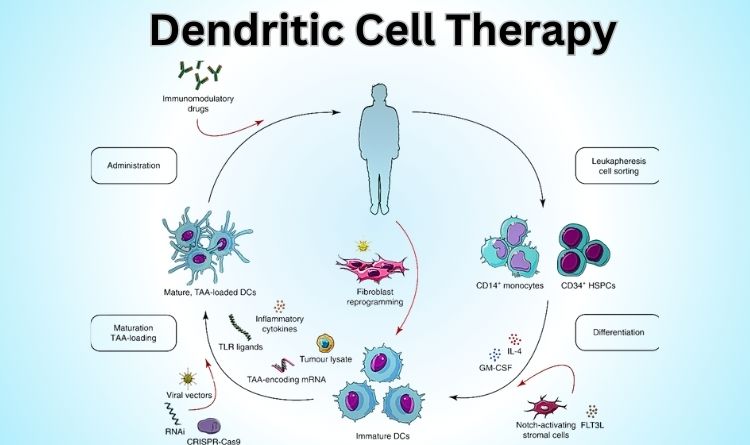
This therapy is more useful for Glioblastoma, Melanoma, Prostate cancer, Lung cancer, Breast cancer, Pancreatic cancer, and Colon cancer.
- DCT is also used in Germany for stage 4 treatment where conventional treatments have shown no improvements.
- German researchers demonstrated that patients with advanced Glioblastoma and lung cancer can have an improvement rate up to 30-40% through DCT.
- More than 83 percent of the patients at least experience significant relief in symptoms and, thus, have a better quality of life following the treatment.
- This therapy is increasingly being hailed worldwide because it trains the immune system to specifically target and destroy cancer cells.
CAR T-Cell Therapy
CAR T-cell is an innovative immunotherapy technique that uses genetically modified T-cells to detect and destroy cancerous cells.
This will be best suited for patients with blood cancer, such as leukaemia or lymphoma, whose body does not respond well to other treatments.
These T-cells are withdrawn from a patient, then genetically engineered in a lab to make it efficient in locating the special cancer cells that have been tagged with CAR, and re-infused in a human body.
- CAR T-cell therapy has been one of the breakthrough treatments across the world. Germany leads the way in its application.
- The country's top cancer centres have perfected this process, offering the treatment in difficult, high-risk cases as well.
- German specialists have achieved high response rates, with some studies even reporting that the response rate for patients with relapsed or refractory B-cell lymphoma is over 50-60%.
Transarterial Chemoembolization (TACE)
It is a minimally invasive procedure primarily used to treat liver cancer, particularly hepatocellular carcinoma (HCC).
TACE involves the delivery of chemotherapy directly to the tumour via a catheter inserted into the blood vessels supplying the liver, effectively blocking its blood supply and concentrating the treatment where it’s needed most.
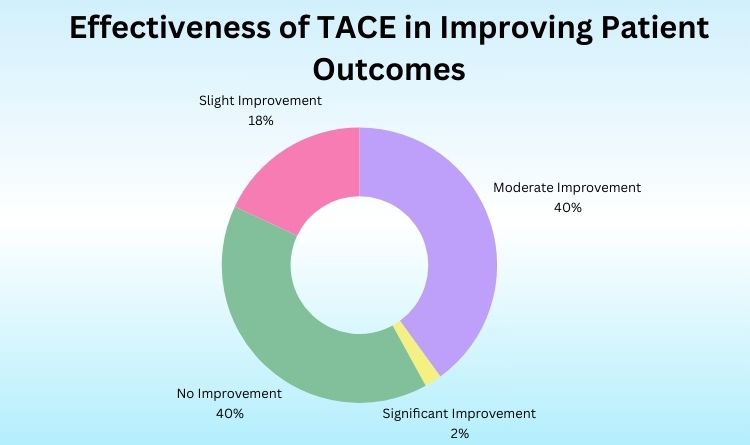
- In Germany, TACE is not only used for primary liver cancers but is also combined with Microwave Ablation (MWA) and Transarterial Particle Chemoembolization (TACP) to enhance outcomes, particularly in complex and advanced cancer cases.
- By combining TACE with these techniques, German specialists can achieve greater tumour shrinkage and better control of metastases, especially in cases where tumours are difficult to treat with conventional methods. Studies have shown that patients receiving combined therapies such as TACE + TACP + MWA can achieve over 30% reduction in tumour size, with improved survival rates.
- This multi-faceted approach makes Germany a leading destination for non-resectable cancer treatment.
Lu-177 PSMA Therapy (PLUVICTO)
It is a targeted radiopharmaceutical treatment used for advanced prostate cancer, particularly in cases that have become resistant to standard therapies. This innovative therapy involves attaching a radioactive isotope, Lutetium-177 (Lu-177), to a molecule that specifically targets the Prostate-Specific Membrane Antigen (PSMA), a protein found on prostate cancer cells.
Once injected into the patient, the therapy delivers radiation directly to the tumour, sparing healthy tissue.
- In Germany, Lu-177 PSMA therapy has become a standard of care for metastatic prostate cancer that has progressed beyond conventional treatments.
- Clinical trials have shown that Lu-177 PSMA therapy can improve overall survival rates by up to 30%, with some patients experiencing prolonged remissions.
- One notable statistic is that around 90% of patients in clinical trials have shown improvements.
- German specialists, with their expertise in personalised treatment planning, have been able to tailor Lu-177 PSMA therapy therapy to each patient's unique cancer profile, resulting in better patient outcomes.
Biological Immunotherapy
Unlike conventional treatments like chemotherapy and radiation, this innovative therapy works by enhancing the body's natural immune response, allowing it to identify and destroy cancer cells more effectively while minimising harm to healthy tissue.
This approach has been applied successfully in treating a range of stage 4 cancers, such as breast cancer, lung cancer, colon cancer, liver cancer and many more
- In Germany, Biological Immunotherapy is used as an adjunct or alternative to traditional cancer treatments, providing personalised care.
- Treatments such as Artesunate Infusion, Curcumin Infusion, and High-Dose Vitamin C Therapy are commonly utilised in Germany’s advanced cancer care centres. Furthermore, these therapies are often combined with conventional treatments to optimise results, especially for patients with advanced-stage cancers.
- German doctors work with a variety of biological agents to customise treatment plans that offer the highest potential for effectiveness, helping patients not only fight cancer but also improve overall well-being.
- The ongoing research and clinical trials in Germany continue to expand the applications of Biological Immunotherapy, with doctors regularly achieving promising results in cases that have not responded to conventional therapies.
This comprehensive, holistic approach, which combines cutting-edge medical science with natural treatment methods, makes Germany a leader in providing innovative cancer care.
Rehabilitation and Follow-up Care After Cancer Treatment in Germany
The best German hospitals concerning the treatment of cancer are known for their comprehensive care for cancer patients and not just targeting the most advanced treatments-but also rehabilitation and aftercare, as part of the treatment process.
Post-treatment programmes try to reassure the holistic recovery of patients' health and provide them with continued support in their return to full recovery.
An important aspect would be regular follow-up for the monitoring of probable recurrence of disease and early intervention in case such an incident takes place.
Cost of Various Treatments for Stage 4 Cancer in Germany
So far, we have understood why Germany is known for providing top-tier care.
For this reason, patients from across the globe prefer Germany for its comprehensive, high-quality oncology services also finding a balance of affordability in terms of cancer treatment and advance care.
Approximate Costs for Standard Cancer Treatments:
- Chemotherapy: The cost for a chemotherapy in Germany, including initial examinations, tests, and scans, ranges between $ 8,500 and $ 12,600.
- Radiation Therapy: For a six-week course of outpatient, the cost of radiation therapy in Germany (including all required scans and analyses), ranges from $ 15,800 and $ 37,000.
- Targeted Therapy: Depending on the specific drug used and the initial examination, the cost of targeted therapy in Germany expenses typically fall between $ 15,800 and $ 30,000
Approximate Costs for Advanced Cancer Treatments
- The cost of Hyperthermic Intraperitoneal Chemotherapy (HIPEC) in Germany ranges between $ 37,000 - $ 57,000 (for the complete treatment package).
- CAR T-Cell Therapy: One of the most advanced and personalised cancer treatments available, CAR T-Cell Therapy ranges from $ 370,000 - $ 580,000, reflecting its complexity and the extensive preparation involved.
- Dendritic Cell Therapy (DCT): $ 19,000 - $ 33,000 for a complete course. Transarterial Chemoembolization (TACE): For patients requiring interventional radiology techniques like TACE, costs for two treatment sessions range from $ 8,500 - $ 20,000.
- Lu-177 PSMA Therapy: It is used primarily for prostate cancer, this innovative radioligand therapy ranges between $ 8,500 - $ 23,000 per complete treatment package.
- Biological Immunotherapy: Incorporating natural and alternative therapies, this approach costs between $ 3,100 - $ 8,500, depending on the specific drugs and initial evaluation.
These prices are estimates and may vary between hospitals. However, the value of the comprehensive and advanced care provided in Germany often outweighs the costs, particularly given the improved survival rates associated with these innovative treatments.
Best Cancer Hospitals in Germany
Germany is home to some of the best oncology hospitals globally, known for their state-of-the-art technologies, skilled medical teams, and patient-centred care.
Some of the top cancer treatment hospitals in Germany:
-
Charite University Hospital: It is one of the most prestigious hospitals in Europe, located in Berlin. It offers interdisciplinary treatment approaches combined with vigorous research. University Hospital Heidelberg: As one of Germany's oldest medical centres, it collaborates with the German Cancer Research Center to provide the latest scientific insights and expert oncological care.
-
University Hospital Rechts der Isar: This facility is known for its integrative approach to cancer treatment. It has over 40 years of experience blending conventional and alternative therapies. Ludwig Maximilian University Hospital, Munich: This hospital boasts a 500-year tradition of patient care and a dedicated Comprehensive Cancer Center recognised by the German Cancer Aid Organisation.
-
University Medical Center Hamburg-Eppendorf (UKE): Founded in 1889, UKE is a leading facility treating thousands of patients with malignant diseases annually. The hospital has various innovative facilities for cancer care at advanced stages.
Best Innovative Cancer Treatment Centers
Germany is gradually emerging as a hub destination for the advanced treatment of cancer; the patients from every corner of the world keep visiting this country in pursuit of innovative therapies beyond what conventional care can provide.
Known for advanced research that blends with cutting-edge facilities and approach, the country has developed to maintain specialist centres at the forefront of personalised oncology.
Here are some of Germany’s most prominent centres known for pioneering unique cancer treatments:
- Centre of Advanced Medicine: This clinic specialises in holistic and complementary oncology. Their approach integrates alternative therapies such as hyperthermia, photodynamic therapy (PDT), dendritic cell therapy, and Insulin Potentiation Therapy (IPT). These methods aim to enhance the body’s immune response, mitigate side effects of traditional treatments, and improve overall patient outcomes.
- Praxisgemeinschaft fur Zelltherapie: This centre is focused on personalised immune therapies, particularly using autologous (self-derived) cell therapies like dendritic cell therapy. These treatments are tailored to boost the patient’s immune system against cancer cells, offering a novel approach that complements conventional cancer care.
- LDG Laboratories: Known for their advanced diagnostic capabilities, LDG Laboratories emphasise individualised cancer therapies based on in-depth molecular and genetic analysis. They focus on identifying specific cancer biomarkers and offer targeted treatment plans that include innovative cell and gene therapies.
- Immun-Onkologisches Zentrum Koln (IOZK): This centre is a pioneer in immune-oncological treatments, including virotherapy and personalised dendritic cell vaccinations. They use oncolytic viruses to selectively target cancer cells while enhancing the body's immune response. The IOZK is notable for combining these therapies with conventional oncology practices to improve efficacy and patient outcomes.
Top Cancer Specialists in Germany
Most of the top doctors in the treatment of cancer are hosted by Germany, who have greatly contributed to this line of research and development; most of the cutting-edge therapies as well as novel approaches are provided to patients.
Following are some of the most skilled cancer specialists found in Germany:
With more than 27 years of experience, she is one of the best paediatric cancer specialists in Germany. She has been recognised with several awards such as Evans Prize from the "Advances in Neuroblastoma Research" (ANR) International Symposium, Philadelphia, Kind-Philipp Prize for Pediatric Oncology from the German Society for Pediatric Oncology and Hematology (GPOH), Young Investigator Award, American Assoc. for Cancer Research (AACR), etc.
Prof. Vogl is a prominent figure in interventional radiology, widely recognized for pioneering minimally invasive cancer treatments such as transarterial chemoembolization (TACE) and selective internal radiation therapy (SIRT). His expertise is particularly notable in treating liver, lung, kidney and unresectable cancers.
Prof. Dr. med. Ulrich Keilholz
Prof. Keilholz, the Director of the Charite Comprehensive Cancer Center in Berlin, is a distinguished oncologist specialising in immunotherapy and targeted treatments for complex cancers, including melanoma and head and neck tumours.
As a leading oncologist at the University Hospital Heidelberg, Prof. Jager is well-regarded for his expertise in gastrointestinal oncology. He focuses on personalised cancer therapies and has been instrumental in advancing the use of immunotherapy for colorectal and pancreatic cancers.
These specialists are known for their exceptional expertise and have contributed to the development of innovative cancer treatments, helping to improve patient outcomes in Germany and beyond.
How Can Vaidam Help You for Cancer Treatment in Germany?

It is complex to navigate the system for stage 4 cancer treatment in Germany, owing to the complexity of the health system.
To make things simpler and provide a full support system, Vaidam Health collaborated with Booking Med Travel. As an official associate with many local hospitals, we collectively provide a seamless, patient-centric experience, which includes:
- Personalised Medical Offers: Recommendations based on the newest medical standards for the provision of the most optimal alternative treatments.
- Option to Choose Specialised Doctors and Hospitals: Utilising ample statistical data to help you decide on the best doctors and hospitals for your particular case.
- A Detailed Explanation of Treatment Options: Information regarding the available treatments, likely outcomes, and what one may expect during the treatment process.
- Customised Medical Plans: Packages are tailored according to the needs of the patient, considering budget implications.
- Safe Payment Process: A safe, direct payment system is offered wherein the patients pay directly into the account of Booking Med Travel, in order to secure and guarantee that this will be faster and smoother .
- Appointment Arrangement: Efficient coordination of booking appointments with leading healthcare providers.
- Visa Support: We will make sure to provide the patients with official invitations from our partner hospitals and help them prepare the paperwork to avoid the chance of visa rejection.
- Travel and Accommodation Support: We ensure well-planned travel and accommodation for you according to the patient's needs and preferences.
- Medical Interpreters and Coordinators : Dedicated coordinators and interpreters for your time in the treatment process.
- Language Translation Service: Professional translation of medical documents for easy communication with health practitioners.
As we continue to push the boundaries of what's possible in Stage 4 cancer treatment, we must remain vigilant about the socio-economic implications. Access to cutting-edge therapies must be equitable, ensuring that all patients, regardless of their background, can benefit from these advancements.
Prof. Stefan Klein, Director of Cancer Research Institute
Frequently Asked Questions About Stage 4 Cancer Treatment in Germany
What advanced treatments are available for stage 4 cancer in Germany?
Germany offers a wide range of advanced treatments, including Hyperthermic Intraperitoneal Chemotherapy (HIPEC), CAR T-cell Therapy, Dendritic Cell Therapy (DCT), Transarterial Chemoembolization (TACE), Lu-177 PSMA Therapy, and Biological Immunotherapy. These innovative therapies provide new hope for patients who may not respond well to conventional treatments.
What is the success rate of stage 4 cancer treatments in Germany?
The success rates for stage 4 cancer treatments in Germany vary based on the type of cancer and the chosen therapy. For example, Lu-177 PSMA Therapy has shown an 85% improvement in PSA levels for advanced prostate cancer patients, while HIPEC has achieved a 50-60% 5-year survival rate in certain cancers like colorectal peritoneal metastasis. German clinics are known for their personalised, evidence-based approach, which often leads to better outcomes compared to global averages.
Are there specialised cancer treatment centres in Germany for stage 4 cancer?
Yes, Germany has numerous specialised cancer centres renowned for treating advanced-stage cancers. Leading hospitals include Charité University Hospital in Berlin, University Hospital Heidelberg, Center of Advanced Medicine, and LDG Laboratories, which focus on cutting-edge, personalised treatment approaches.
What is the cost of stage 4 cancer treatment in Germany?
The cost of stage 4 cancer treatment in Germany depends on the type of cancer and the therapies involved. Standard treatments like chemotherapy may range from $ 8,500 - $ 13,000, while advanced therapies like Dendritic Cell Therapy can range between $19,000 - $ 33,000. We can provide a detailed cost estimate based on your specific needs.
What support is available for international patients undergoing cancer treatment in Germany?
Vaidam Health, in collaboration with Booking Med Travel, offers comprehensive support, including personalised medical offers, a selection of top hospitals and doctors, visa assistance, travel arrangements, medical interpretation services, and a secure payment process. We ensure a seamless experience, from initial consultation to follow-up care, tailored to meet the needs of international patients.
How do I start the process of arranging cancer treatment in Germany?
To begin, simply contact us through the provided link or phone number. Our team will help gather your medical records, provide expert opinions from leading specialists, and guide you in selecting the most appropriate treatment options and facilities



 Chat
Chat