

Colon Cancer Treatment in Germany: Best Hospitals, Doctors & Costs
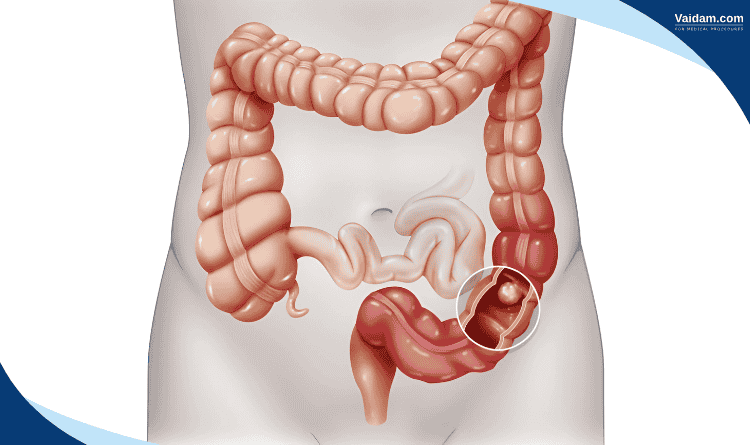
Colon cancer, also referred to as colorectal cancer, is one of the most prevalent forms of cancer globally, affecting millions of individuals annually. According to the World Health Organization (WHO), colorectal cancer is the third most common cancer in both men and women, with over 1.9 million new cases diagnosed worldwide.
While countries like the United States, the United Kingdom, and Canada have long been recognised for their advanced cancer care systems, Germany stands out due to its superior medical infrastructure, well-regarded hospitals, and a rich legacy of medical innovation. The country's emphasis on patient-centred care, alongside its use of minimally invasive colon cancer surgery, robotic colon cancer surgery, and innovative therapies such as targeted colon cancer therapy, places it among the top destinations for colon cancer patients seeking the best outcomes.
Do you know?
Germany has significantly reduced colon cancer deaths by introducing screening colonoscopies for people aged 55+ under its National Cancer Screening Program. Within 10 years, approximately 1,80,000 colorectal cancers were prevented!
What is Colon Cancer?
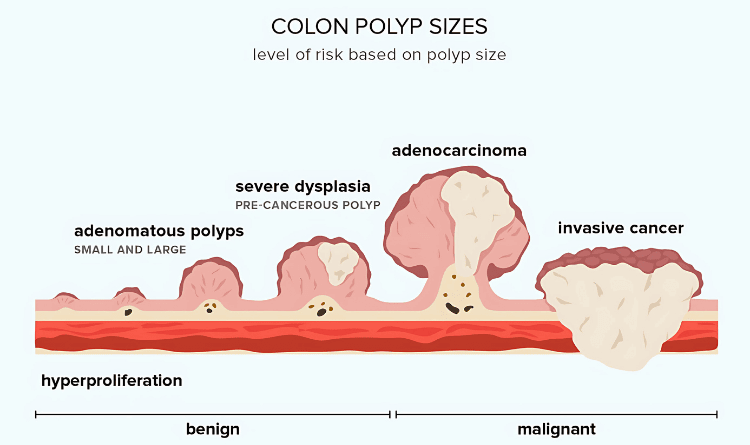
Colon cancer originates in the cells lining the colon or rectum and is typically categorised into different stages based on its progression. It often begins as non-cancerous polyps, which may evolve into malignant tumours if left untreated. Over time, these tumours can metastasise, spreading to other organs and tissues, making early diagnosis and intervention crucial for better outcomes.
Key Insights into Colon Cancer: Facts You Should Know
- Over 90% of colon cancer cases are found in individuals aged 50 and above.
- Early-stage colon cancer has a 5-year survival rate of nearly 90%.
- Around 25% of patients with advanced colon cancer experience metastasis.
- Colon cancer can be prevented through screenings and lifestyle changes.
- Approximately 70-80% of cases occur sporadically with no clear family history.
- Tumours on the right side of the colon are associated with worse outcomes than those on the left side.
Types of Colon Cancer
Colon cancer can be categorised based on its origin and the type of cells involved:
- Adenocarcinoma: The most common type of colon cancer originating from glandular cells in the lining of the colon.
- Squamous Cell Carcinoma: A rarer type that begins in the squamous cells of the colon lining, which are flat, scale-like cells.
- Neuroendocrine Tumors: These tumours arise from neuroendocrine cells in the colon, which produce hormones.
- Lymphomas: Colon cancer can also be lymphoma, a cancer of the lymphatic system that occurs in the colon.
- Sarcomas: A very rare type of colon cancer that originates from the connective tissue of the colon, such as muscles or blood vessels.
Understanding the type of colon cancer is essential for devising a personalised treatment plan and ensuring the best outcomes.
Symptoms and Causes of Colon Cancer
Symptoms
Early signs of colon cancer can vary, but common symptoms include:
- Changes in bowel habits, such as persistent diarrhoea or constipation
- Blood in stool
- Abdominal discomfort or cramping
- Unexplained weight loss
- Fatigue or weakness
Identifying these symptoms early can lead to timely diagnosis and effective treatment.
Causes
Several factors contribute to the development of colon cancer:
- Genetic Factors: A family history of colorectal cancer significantly increases risk. Conditions like Lynch syndrome and familial adenomatous polyposis (FAP) heighten this risk.
- Lifestyle Factors: A diet high in red and processed meats, lack of physical activity, smoking, and alcohol consumption are major risk factors.
- Age: The risk increases with age, particularly after 50.
- Inflammatory Bowel Disease: Chronic inflammatory conditions such as Crohn's disease or ulcerative colitis elevate the likelihood of colon cancer.
Understanding these risk factors empowers individuals to take preventive steps, such as maintaining a healthy lifestyle and undergoing regular screenings.
Stages of Colon Cancer
Colon cancer is staged based on the extent of cancer spread:
- Stage 0: Cancer is only in the innermost layer of the colon/rectum.
- Stage I: Cancer has grown into deeper layers of the colon/rectum but hasn't spread to lymph nodes.
- Stage II: Cancer has spread through the wall of the colon/rectum but not to lymph nodes.
- Stage III: Cancer has spread to nearby lymph nodes but not to distant organs.
- Stage IV: Cancer has spread to distant organs like the liver or lungs.
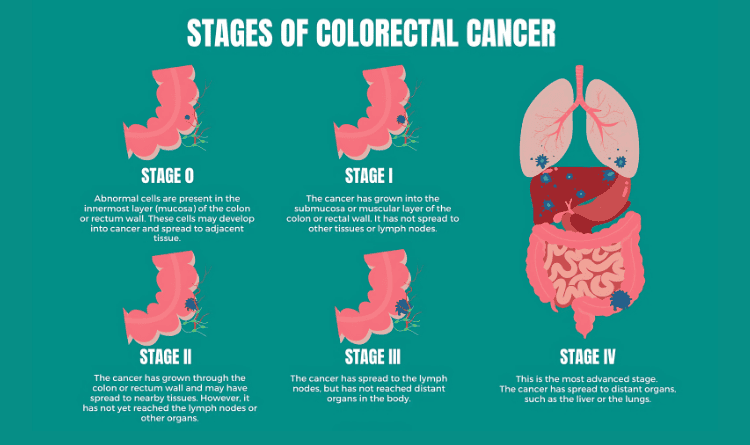
The stage at diagnosis plays a significant role in determining treatment strategies and prognosis.
Diagnosis and Tests for Detecting Colon Cancer in Germany
In Germany, detecting colon cancer involves a variety of diagnostic tests, including:
- Colonoscopy: The most common procedure to examine the entire colon and rectum, allowing for the detection of polyps or cancerous growths.
- CT Colonography: A non-invasive imaging test (virtual colonoscopy) that uses CT scans to create detailed images of the colon.
- Fecal Occult Blood Test (FOBT): A simple test that checks for hidden blood in stool, which may indicate the presence of cancer.
- Flexible Sigmoidoscopy: Examines the lower part of the colon and rectum to detect abnormalities or cancer.
- Biopsy: If cancer is suspected, tissue samples are taken during a colonoscopy or other procedures for further examination.
- Blood Tests: Tumor markers like CEA (Carcinoembryonic Antigen) can be used to monitor cancer presence or recurrence.
- Genetic Testing: For hereditary forms of colon cancer, genetic tests may be performed to check for mutations.
Early detection through these tests is crucial for effective treatment and improving outcomes.
Did You Know?
The German Cancer Society recommends colonoscopy every 10 years for individuals over 50 and those at higher risk due to family history or other factors.
Treatment for Colon Cancer in Germany
Colon cancer treatment in Germany involves a multidisciplinary approach, incorporating surgery, chemotherapy, radiation therapy, and cutting-edge targeted therapies. Hospitals and clinics across Germany offer state-of-the-art diagnostic methods and world-renowned specialists, ensuring that patients receive the most comprehensive care possible. Here's an overview of the various treatment options available:
Colon Cancer Surgery
Colon cancer surgery in Germany varies based on the cancer stage, tumour location, and overall patient health. Common procedures include:
- Polypectomy, where precancerous polyps are removed.
- Partial Colonectomy, which involves the removal of a specific section of the colon, ensuring the remaining parts are reconnected.
- Surgical Resection with Colostomy, in cases where a larger section of the colon is removed, leading to the creation of a colostomy.
- Radiofrequency Ablation, where heat-based techniques are used to destroy cancer cells.
Minimally Invasive Colon Cancer Surgery
Minimally Invasive Colon Cancer Surgery is a preferred choice in Germany, as it allows for smaller incisions, reduced recovery times, and less postoperative discomfort. Techniques like Laparoscopic and Robotic Colon Cancer Surgery are widely practised, providing precision and improved patient outcomes.
- Laparoscopic Colon Cancer Surgery in Germany is a widely adopted approach, offering several advantages for patients. This minimally invasive technique involves small incisions, leading to reduced blood loss, lower risk of infection, and quicker recovery times. Surgeons perform the procedure using a laparoscope—an advanced camera system—which provides high-definition visuals of the surgical area, enhancing precision and reducing postoperative discomfort. Leading hospitals in Germany utilise state-of-the-art laparoscopic technology to ensure optimal outcomes for patients undergoing colon cancer surgery.
- Robotic Colon Cancer Surgery in Germany enables surgeons to perform complex procedures with greater accuracy. It minimises complications, enhances recovery, and ensures the complete removal of tumours. Leading hospitals in Germany utilise the latest robotic systems for these advanced surgeries, such as the da Vinci Surgical System, which is renowned for its efficiency in colorectal surgeries.
Innovative Therapies for Colon Cancer in Germany
Germany is at the forefront of providing Innovative Therapies for Colon Cancer, such as Targeted Colon Cancer Therapy and Immunotherapy for Colon Cancer. These approaches focus on attacking specific cancer cells, offering personalised treatment options that improve outcomes and minimise side effects.
- Targeted Colon Cancer Therapy in Germany involves using drugs that target specific molecular pathways driving cancer growth. Hospitals employ advanced molecular diagnostics to determine the most effective therapy for each patient.
- Immunotherapy for Colon Cancer in Germany utilises the body's immune system to fight cancer. Checkpoint inhibitors and other immunotherapeutic agents have shown significant promise, especially for advanced cases.
Radiation Therapy for Colon Cancer in Germany
Radiation therapy plays a pivotal role in the management of colon cancer, especially when tumours cannot be entirely removed through surgery. Germany offers precision-based Radiation Therapy for Colon Cancer, using techniques like Intensity-Modulated Radiation Therapy (IMRT) and Image-Guided Radiation Therapy (IGRT) to target cancerous cells while sparing healthy tissues.
Post-Treatment Rehabilitation for Colon Cancer in Germany
Post-treatment rehabilitation for colon cancer in Germany involves several key aspects to support patients through their recovery. This includes:
- Regular Medical Check-ups: Patients undergo frequent follow-ups with oncologists to monitor their health, detect any signs of recurrence, and manage long-term effects.
- Personalised Nutritional Support: Dietitians provide tailored meal plans to aid digestion, boost immunity, and maintain overall health. Proper nutrition helps manage side effects such as fatigue and constipation.
- Physical Therapy: Rehabilitation includes exercises to improve strength and mobility and manage post-surgical complications, such as bowel function or lymphedema. This helps patients regain their physical abilities.
- Emotional Support: Access to counselling and support groups addresses anxiety, depression, and emotional well-being. It helps patients cope with the emotional challenges of recovery.
- Pain Management: Advanced pain relief techniques, including medication and therapy, are used to ensure patients are comfortable during the healing process.
- Healthy Lifestyle Guidance: Guidance on maintaining a balanced lifestyle, such as exercise routines, quitting smoking, and reducing alcohol intake, promotes long-term health.
- Supportive Care Services: Palliative care services focus on improving quality of life by managing symptoms, offering emotional support, and addressing physical discomfort.
These comprehensive steps aim to support both physical recovery and emotional well-being, ensuring a smooth transition toward long-term health.
Best Doctors for Colon Cancer Treatment in Germany
Germany is home to some of the world's leading specialists in colon cancer treatment. These doctors combine expertise with state-of-the-art medical technology to provide world-class care. Below are some of the best doctors for Colon Cancer Treatment in Germany:
- Prof. Dr. Volker Budach: He is an eminent Radiation Oncologist who has been practising for more than 36 years in Berlin, Germany. Dr. Volker is an expert in providing intensity-modulated radiation therapy, stereotactic radiation therapy, volumetrically modulated arc therapy, cyberknife, brachytherapy, intraoperative radiotherapy, and more. He is skilled in treating cancer of various body organs, including the colon, lungs, bones, liver, and brain.
- Prof. Dirk Jager: With over 28 years of experience, Prof. Dirk Jager is a renowned Medical Oncologist in Heidelberg, Germany. With around three decades of experience, he has become an expert in treating colon cancer, cervical cancer, lung cancer, prostate cancer, and leukaemia.
- Dr. Anca-Ligia Grosu: She is an eminent Radiation Oncologist in Freiburg, Germany, with four decades of experience. Dr. Grosu offers her excellence in radiosurgery, tomography, radiation therapy, and stereotactic radiosurgery. She has expertise in treating colon cancer, esophageal cancer, endometrial cancer, and gallbladder cancer.
- Prof. Dr. Med. Robert Krempien: Prof. Dr. Med. Robert Krempien is a well-known Oncologist in Berlin, Germany, with over 25 years of experience. He is known for providing patient-centric, individualised radiation therapy. He is an expert in treating breast cancer, colon cancer, intravascular radiation therapy in the thigh and pelvic region, prostate cancer, and radiation therapy of benign inflammatory diseases.
These doctors are affiliated with top hospitals that combine cutting-edge medical technology with compassionate care. Their expertise spans various aspects of colon cancer treatment in Germany, ensuring that patients receive comprehensive and effective solutions tailored to their unique needs.
Best Hospitals for Colon Cancer Treatment in Germany
Hospitals in Germany offer state-of-the-art facilities and world-class specialists, making them leaders in providing comprehensive Colon Cancer Treatment. These institutions combine cutting-edge technologies with compassionate care, ensuring the best outcomes for patients. Some of the best hospitals for Colon Cancer Treatment in Germany include:
- University Hospital Heidelberg: Established in 1388, it is one of the oldest medical centres in Germany. The hospital collaborates with the German Cancer Research Center, offering the latest scientific knowledge and skilled oncologists for precise treatment. Therapeutic options at the hospital include surgical procedures, including robot-assisted surgeries (DaVinci System), radiation therapies, including proton/carbon ion therapy, stem cell transplantation, and psycho-oncology.
- Charité University Hospital: Located in Berlin, it is one of the most reputed and largest hospitals in Europe. Charite's oncology division offers the highest quality care and combines an interdisciplinary treatment approach with the latest research findings. In 2006, Charite also founded the Molecular Cancer Research Center (MKFZ) to boost basic oncology research.
- University Hospital Rechts der Isar: Renowned for its integrative approach to cancer and chronic disease treatment, this hospital has over 40 years of experience blending conventional and alternative therapies. It offers care for patients suffering from cancer, Lyme disease, rheumatoid diseases, and more. The hospital combines advanced medical technology with evidence-based complementary therapies. This strengthens the patient's immune system, reduces side effects, and improves quality of life. Rechts der Isar provides individualised treatment plans to enhance recovery prospects.
These hospitals provide a comprehensive range of services, including advanced surgeries, chemotherapy, and radiation therapy. They are supported by multidisciplinary teams that ensure seamless patient care.
Frequently Asked Questions About Colon Cancer Treatment in Germany
1. What is the cost of colon cancer treatment in Germany?
The cost varies based on the treatment type, hospital, and duration of stay. On average, the cost of colon cancer treatment in Germany ranges from ₹18,00,000 to ₹8,300,000 ($22,000 to $100,000).
2. What is the role of genetic testing in colon cancer?
Genetic testing identifies inherited conditions like Lynch syndrome or familial adenomatous polyposis (FAP) that increase the risk of colon cancer. It helps guide early detection, preventive measures, and personalised treatment plans.
3. Can colon cancer affect younger individuals?
Yes, while colon cancer is more common in older adults, cases in younger individuals have been rising. Symptoms like rectal bleeding, unexplained weight loss, or changes in bowel habits should be promptly evaluated, regardless of age.
4. How long does recovery take after colon cancer surgery?
Recovery time depends on the type of surgery and individual health. For minimally invasive procedures, it typically takes 4-6 weeks, while recovery from open surgery might take longer, especially if there are complications.
5. What are the potential side effects of colon cancer treatments?
Side effects vary by treatment. Chemotherapy may cause fatigue, nausea, and neuropathy. Radiation therapy might lead to bowel and bladder irritation. Surgery can result in temporary bowel changes and recovery-related discomfort.
Written by

Suryani Dutta
Vaidam Health · Updated 18 Jan 2025
Suryani Dutta is an experienced healthcare content writer with 4+ years of expertise creating evidence-based, SEO-driven content for the healthcare industry. She has developed 5,000+ healthcare content assets, including blogs, website content, doctor and hospital profiles, treatment pages, social media campaigns, and video scripts.
At Vaidam Health, Suryani creates high-quality content on advanced medical treatments, surgical procedures, hospital guides, doctor profiles, and patient education. Her work combines in-depth research with clear, reader-friendly writing to make complex medical information accessible to a global audience.
Beyond writing, Suryani contributes to content strategy, editorial planning, website optimisation, and digital healthcare campaigns. She has helped strengthen the online presence of healthcare brands by producing accurate, engaging, and search-optimised content.
Passionate about healthcare communication, Suryani is committed to creating trustworthy content that empowers patients, supports informed medical decisions, and highlights the latest advancements in global healthcare.
Outside of work, she enjoys exploring emerging medical innovations, following healthcare trends, and creating educational content that makes a meaningful impact.
Content meets the Vaidam Policy and is medically reviewed

Medically reviewed by
Dr. Ankita Wadhwa Chat
Chat